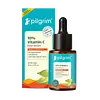
This brightening serum is formulated around 3-O-Ethyl Ascorbic Acid and Niacinamide to brighten dull-looking skin and fade the look of dark spots.
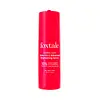
This brightening serum is formulated around 3-O-Ethyl Ascorbic Acid and Glutathione to brighten dull-looking skin and fade the look of dark spots.

What's inside
What's inside
 Key Ingredients
Benefits
Concerns
Ingredients Side-by-side
Water
Skin Conditioning3-O-Ethyl Ascorbic Acid
Skin Conditioning





Niacinamide
Smoothing






Butylene Glycol
Humectant
Propanediol
Solvent
Betaine
Humectant
Citrus Aurantium Dulcis Fruit Extract
MaskingCitrus Limon Fruit Extract
Masking
Centella Asiatica Extract
Cleansing
Epigallocatechin Gallatyl Glucoside
Antioxidant
Sodium PCA
Humectant
Ethoxydiglycol
HumectantTerminalia Ferdinandiana Fruit Extract
Antioxidant
Microcitrus Australasica Fruit Extract
Sophora Flavescens Root Extract
Antioxidant
Glycyrrhiza Inflata Root Extract
Skin Conditioning
Scutellaria Baicalensis Root Extract
Astringent
Gluconolactone
Skin Conditioning
Sodium Hyaluronate
Humectant
Glutathione
Sodium Lactate
Buffering
Sodium Gluconate
Skin ConditioningAllantoin
Skin Conditioning
Hydroxyethylcellulose
Emulsion StabilisingPolysorbate 20
Emulsifying

Glycerin
Humectant
Sodium Benzoate
Masking
Potassium Sorbate
Preservative
Phenoxyethanol
Preservative
Ethylhexylglycerin
Skin ConditioningSodium Hydroxide
BufferingSalicylic Acid
Masking


Water, 3-O-Ethyl Ascorbic Acid, Niacinamide, Butylene Glycol, Propanediol, Betaine, Citrus Aurantium Dulcis Fruit Extract, Citrus Limon Fruit Extract, Centella Asiatica Extract, Epigallocatechin Gallatyl Glucoside, Sodium PCA, Ethoxydiglycol, Terminalia Ferdinandiana Fruit Extract, Microcitrus Australasica Fruit Extract, Sophora Flavescens Root Extract, Glycyrrhiza Inflata Root Extract, Scutellaria Baicalensis Root Extract, Gluconolactone, Sodium Hyaluronate, Glutathione, Sodium Lactate, Sodium Gluconate, Allantoin, Hydroxyethylcellulose, Polysorbate 20, Glycerin, Sodium Benzoate, Potassium Sorbate, Phenoxyethanol, Ethylhexylglycerin, Sodium Hydroxide, Salicylic Acid
Water
Skin Conditioning3-O-Ethyl Ascorbic Acid
Skin Conditioning
Propanediol
Solvent
Propylene Glycol
Humectant
Betaine
Humectant
Glycerin
Humectant
Glyceryl Glucoside
Humectant
Glutathione
Phenoxyethanol
Preservative
Squalane
Emollient
Sodium Acrylates Copolymer
Lecithin
Emollient
Undecylenoyl Phenylalanine
Skin Conditioning
Allantoin
Skin Conditioning
Tocopherol
Antioxidant
Carbomer
Emulsion StabilisingEthylhexylglycerin
Skin ConditioningOctenidine Hcl
AntimicrobialDisodium EDTA
Triethanolamine
BufferingWater, 3-O-Ethyl Ascorbic Acid, Propanediol, Propylene Glycol, Betaine, Glycerin, Glyceryl Glucoside, Glutathione, Phenoxyethanol, Squalane, Sodium Acrylates Copolymer, Lecithin, Undecylenoyl Phenylalanine, Allantoin, Tocopherol, Carbomer, Ethylhexylglycerin, Octenidine Hcl, Disodium EDTA, Triethanolamine
Ingredients Explained
These ingredients are found in both products.
Ingredients higher up in an ingredient list are typically present in a larger amount.
3-O-Ethyl Ascorbic Acid is one of the most popular "stable" vitamin C derivatives in skincare.
Plain ascorbic acid is fantastic but notoriously fragile; it browns, oxidizes, and loses potency fast. So attaching an ethyl group to the third carbon of the molecule gives it some cool perks:
In a formula, it does the 3 classic vitamin C jobs: it acts as an antioxidant, helps brighten skin tone by inhibiting tyrosinase, and supports collagen.
The evidence is reasonably solid for a cosmetic ingredient; Liao and colleagues (2018) showed it's significantly more stable than ascorbic acid while still being effective.
A 2021 study by Zerbinati and colleagues tested a serum with 30% 3-O-ethyl-l-ascorbic acid and 1% lactic acid significantly increased collagen production, reduced UVB-induced DNA damage, and decreased melanin on a reconstructed pigmented skin model.
Typical real world usage sits around 0.5-5% (and 1-2% is common for daily serums).
Amounts up to 30% have been shown to be non-irritating on human skin samples, but two isolated cases reported allergic contact dermatitis so a patch test is sensible if you have reactive skin.
Learn more about 3-O-Ethyl Ascorbic AcidAllantoin is a soothing ingredient known for its protective and moisturizing properties; it's basically a quiet workhorse ingredient you can find in a huge range of cosmetics.
Though it can be derived from the comfrey plant, allantoin is produced synthetically for cosmetic products to ensure purity.
Research shows it can encourage your skin cells to turn over and renew by stimulating keratinocyte and fibroblast proliferation.
It also has mild keratolytic properties to help loosen and shed dead skin cells without being harsh.
Studies also suggest allantoin can help calm inflammation by dialing down some of the chemical signals your skin sends out when it is irritated.
This ingredient is typically used in the 0.1-0.5% range, and the FDA recognizes it as a skin protectant in OTC products up to 2%.
Overall, allantoin is a wonderful addition to most routines; it is stable across a wide pH range (~4-8), works well with other ingredients, and is considered non-sensitizing/non-irritating.
Fun fact: Allantoin is naturally occurring in comfrey root, beets, chamomile, and wheat sprouts. Our bodies even produce it as a byproduct of uric acid metabolism.
Learn more about AllantoinBetaine is a humectant. Like hyaluronic acid, it helps attract and retain moisture in the skin. It’s known for being gentle and for helping the skin maintain balanced hydration.
Betaine is mainly used to improve hydration and support calmer skin. It helps skin cells regulate water balance because it functions as an osmolyte.
Some studies suggest betaine may support making skin tone more even.
Fun fact: Betaine naturally exists in the skin and the body. In cosmetic products, it can be either plant-derived (most commonly from sugar beets) or synthetically produced for consistency and stability.
Betaine is also known as trimethylglycine.
Learn more about BetaineEthylhexylglycerin is created from glycerin. It is a multitasker ingredient that:
The CIR Expert Panel found minimal skin absorption or sensitization of any kind in a safety assessment. Though this ingredient is considered well-tolerated, a small number of cases of allergic dermatitis have been published since 2002. Just be sure to patch test if you are unsure.
Industry-reported use ranges from 8% in rinse-off products and 2% in leave-on formulations.
Learn more about EthylhexylglycerinGlutathione is a tiny protein-like molecule (a "tripeptide" build from 3 amino acids: glycine, cysteine, and glutamic acid) that your body already makes on its own.
Inside your body, it acts as one of the skin's main antioxidants that help fight against free radicals.
In skincare, it's best known as a brightening ingredient that slows down tyrosinase, the key enzyme that makes skin pigment. It also nudges the skin toward making a lighter type of pigment instead of a darker one.
This is why you'll see it in products aimed at dark spots and uneven tone.
A small number of real human trials have found a topical glutathione lotion:
The honest caveat is that the current evidence is still thin (few studies, small groups, short timelines). Glutathione also doesn't absorb into skin very easily so results tend to be modest and fade if you stop using it.
One thing worth clearing up:
The scary side effects you may have heard about come from glutathione injected intravenously, which has real safety concerns. Applying it topically is a completely different thing and has a clean track record.
Most human studies used it around 2% (as Glutathione or Glutathione Disulfide) and a 2% oxidized glutathione lotion and a 2% S-acyl glutathione cream are the concentrations with actual clinical data behind them.
There's no established "ideal" percentage yet but 1-2% is the evidence-backed range.
Allergy-wise, there is very low risk for this ingredient; it was well-tolerated across the topical trials. Only one participant had mild temporary redness that cleared up on its own and another study reported no adverse reactions at all.
One trial had ~10% of users drop out for irritation was using a combination cream that also had 10% azelaic acid so the irritation likely wasn't from the glutathione. There's no notable contact-allergy signal for topical glutathione in the literature but patch-testing before first use is still sensible for those with sensitive skin.
Learn more about GlutathioneGlycerin (or glycerol) is a compound naturally found in your skin. It's a powerhouse humectant that pulls water into the stratum corneum.
Topically, glycerin does several things at once:
Your skin makes glycerin on its own (mostly from sebaceous oil breakdown) and shuttles it to your outermost layer of skin, or your epidermis, via aquaporin-3.
Aquaporin-3 is a transporter that is essential for normal skin hydration, elasticity, and repair. Interestingly, mice lacking in AQP3 have dry and less elastic skin that can be fully corrected with glycerin.
This ingredient is non-irritating, plays well with almost every ingredient, and works across all skin types. Typical use is anywhere between 3-10% but can go up to 79% in some leave-on products.
Just know very high concentrations (>40%) can feel tacky in low humidity.
Glycerin is the name for this ingredient in American English. British English uses Glycerol/Glycerine.
Learn more about GlycerinPhenoxyethanol is one of the most widely used preservatives in skincare (and for good reason!).
It has a large spectrum of antimicrobial activity and especially effective bacteria, yeast, and mold while only having a weak effect on your skin's natural microbiome.
On a cellular level, it disrupts the cell membranes of microbes by poking holes that make the cell leak. This shuts down the chemical reactions the microbe needs to make energy so it can no longer survive.
Another perk of this ingredient is that it stays functional across a wide pH range (3-10).
You'll often see it paired with boosters like Ethylhexylglycerin; one study showed that a 1:9 ratio of Ethylhexylglycerin to Phenoxyethanol damages bacterial membranes as effectively as doubling the Phenoxyethanol concentration on its own.
Typical use concentrations range from 0.3-1% depending on the formula, and this ingredient is capped at 1% int the EU.
Safety-wise, the fear mongering does not hold up to the evidence. The EU's Scientific Committee on Consumer Safety and FDA consider it safe as a preservative at up to 1%, including for children of all ages.
Adverse systemic effects only showed up in animal studies at exposures roughly 200x higher than what people get from cosmetics. And despite its very widespread use, this ingredient is a rare sensitizer and allergic reactions are uncommon.
Learn more about PhenoxyethanolPropanediol is an all-star ingredient. It softens, hydrates, and smooths the skin.
It’s often used to:
Propanediol is not likely to cause sensitivity and considered safe to use. It is derived from corn or petroleum with a clear color and no scent.
Learn more about PropanediolWater. It's the most common cosmetic ingredient of all. You'll usually see it at the top of ingredient lists, meaning that it makes up the largest part of the product.
So why is it so popular? Water most often acts as a solvent - this means that it helps dissolve other ingredients into the formulation.
You'll also recognize water as that liquid we all need to stay alive. If you see this, drink a glass of water. Remember to stay hydrated!
Learn more about Water

