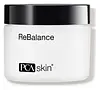
This calming moisturizer is formulated around Niacinamide and Bisabolol to calm redness and strengthen the skin barrier.
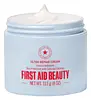
This calming moisturizer is formulated around Colloidal Oatmeal and Squalane to calm redness and hydrate skin.

What's inside
What's inside
 Key Ingredients
Benefits
Concerns
Ingredients Side-by-side
Water
Skin ConditioningEthylhexyl Isononanoate
EmollientGlycereth-26
Humectant
Butylene Glycol
Humectant
Hydroxyethyl Acrylate/Sodium Acryloyldimethyl Taurate Copolymer
Emulsion StabilisingPhenoxyethanol
Preservative
Niacinamide
Smoothing










Carbomer
Emulsion StabilisingPolyisobutene
Caprylyl Glycol
Emollient
Bisabolol
Antioxidant
Sodium Hydroxide
BufferingEthylhexylglycerin
Skin ConditioningHexylene Glycol
EmulsifyingPEG-7 Trimethylolpropane Coconut Ether
Emulsifying
Tocopheryl Acetate
Antioxidant
Oenothera Biennis Oil
Emollient




Borago Officinalis Seed Oil
Emollient
Aloe Barbadensis Leaf Juice
Skin Conditioning
Sodium Hyaluronate
Humectant
Water, Ethylhexyl Isononanoate, Glycereth-26, Butylene Glycol, Hydroxyethyl Acrylate/Sodium Acryloyldimethyl Taurate Copolymer, Phenoxyethanol, Niacinamide, Carbomer, Polyisobutene, Caprylyl Glycol, Bisabolol, Sodium Hydroxide, Ethylhexylglycerin, Hexylene Glycol, PEG-7 Trimethylolpropane Coconut Ether, Tocopheryl Acetate, Oenothera Biennis Oil, Borago Officinalis Seed Oil, Aloe Barbadensis Leaf Juice, Sodium Hyaluronate
Colloidal Oatmeal 0.5%
Absorbent
Water
Skin ConditioningStearic Acid
Cleansing
Glycerin
Humectant
C12-15 Alkyl Benzoate
AntimicrobialCaprylic/Capric Triglyceride
Masking
Glyceryl Stearate Se
Emulsifying
Glyceryl Stearate
Emollient
Cetearyl Alcohol
Emollient
Dimethicone
Emollient
Squalane
Emollient
Butyrospermum Parkii Butter
Skin Conditioning
Phenoxyethanol
Preservative
Caprylyl Glycol
Emollient
Xanthan Gum
EmulsifyingAllantoin
Skin Conditioning
Sodium Hydroxide
BufferingTetrasodium EDTA
ChelatingChrysanthemum Parthenium Extract
Skin ConditioningCamellia Sinensis Leaf Extract
Antimicrobial
Glycyrrhiza Glabra Root Extract
Bleaching
Ceramide NP
Skin Conditioning
Eucalyptus Globulus Leaf Oil
Perfuming



Colloidal Oatmeal 0.5%, Water, Stearic Acid, Glycerin, C12-15 Alkyl Benzoate, Caprylic/Capric Triglyceride, Glyceryl Stearate Se, Glyceryl Stearate, Cetearyl Alcohol, Dimethicone, Squalane, Butyrospermum Parkii Butter, Phenoxyethanol, Caprylyl Glycol, Xanthan Gum, Allantoin, Sodium Hydroxide, Tetrasodium EDTA, Chrysanthemum Parthenium Extract, Camellia Sinensis Leaf Extract, Glycyrrhiza Glabra Root Extract, Ceramide NP, Eucalyptus Globulus Leaf Oil
Reviews
Ingredients Explained
These ingredients are found in both products.
Ingredients higher up in an ingredient list are typically present in a larger amount.
Caprylyl Glycol is a humectant, skin conditioner, emollient, and preservative booster derived from either caprylic acid or synthetically created.
Typical use levels vary from 0.3-1% as a preservative booster and go up to 2% to condition skin.
Because it is not a free-fatty acid, this ingredient is fungal acne safe (there's nothing for Malassezia to feed on).
Learn more about Caprylyl GlycolPhenoxyethanol is one of the most widely used preservatives in skincare (and for good reason!).
It has a large spectrum of antimicrobial activity and especially effective bacteria, yeast, and mold while only having a weak effect on your skin's natural microbiome.
On a cellular level, it disrupts the cell membranes of microbes by poking holes that make the cell leak. This shuts down the chemical reactions the microbe needs to make energy so it can no longer survive.
Another perk of this ingredient is that it stays functional across a wide pH range (3-10).
You'll often see it paired with boosters like Ethylhexylglycerin; one study showed that a 1:9 ratio of Ethylhexylglycerin to Phenoxyethanol damages bacterial membranes as effectively as doubling the Phenoxyethanol concentration on its own.
Typical use concentrations range from 0.3-1% depending on the formula, and this ingredient is capped at 1% int the EU.
Safety-wise, the fear mongering does not hold up to the evidence. The EU's Scientific Committee on Consumer Safety and FDA consider it safe as a preservative at up to 1%, including for children of all ages.
Adverse systemic effects only showed up in animal studies at exposures roughly 200x higher than what people get from cosmetics. And despite its very widespread use, this ingredient is a rare sensitizer and allergic reactions are uncommon.
Learn more about PhenoxyethanolSodium Hydroxide is also known as lye or caustic soda. It is used to adjust the pH of products; many ingredients require a specific pH to be effective.
In small amounts, sodium hydroxide is considered safe to use. However, large amounts may cause chemical burns due to its high alkaline.
Your skin has a natural pH and acid mantle. This acid mantle helps prevent harmful bacteria from breaking through. The acid mantle also helps keep your skin hydrated.
"Alkaline" refers to a high pH level. A low pH level would be considered acidic.
Learn more about Sodium HydroxideWater. It's the most common cosmetic ingredient of all. You'll usually see it at the top of ingredient lists, meaning that it makes up the largest part of the product.
So why is it so popular? Water most often acts as a solvent - this means that it helps dissolve other ingredients into the formulation.
You'll also recognize water as that liquid we all need to stay alive. If you see this, drink a glass of water. Remember to stay hydrated!
Learn more about Water

