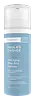
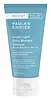
Paula's Choice Resist Anti-Aging Clear Skin Hydrator Versus Paula's Choice Resist Super-Light Wrinkle Defense SPF 30
This anti-aging moisturizer is formulated around Sodium Ascorbyl Phosphate and Niacinamide to soften the look of wrinkles and balance excess oil.
This mineral sunscreen covers the full UV range and blocks ~97% of UVB at SPF 30.

What's inside
What's inside
 Key Ingredients
Benefits
Concerns
Ingredients Side-by-side
Water
Skin ConditioningCyclopentasiloxane
Emollient
Octyldodecyl Neopentanoate
EmollientVinyl Dimethicone/Methicone Silsesquioxane Crosspolymer

Glycerin
Humectant


Sodium Ascorbyl Phosphate
Antioxidant






Cetyl Alcohol
Emollient



Niacinamide
Smoothing



Dimethicone
Emollient
Cetearyl Alcohol
Emollient


Butylene Glycol
Humectant
Glyceryl Stearate
Emollient
PEG-100 Stearate
Surfactant
Adenosine
Skin Conditioning
Epigallocatechin Gallate
Antioxidant
Glucose Oxidase
StabilisingLactoperoxidase
StabilisingBoerhavia Diffusa Root Extract
Skin Protecting
Cocos Nucifera Fruit Extract
Emollient
Lactobacillus
Skin ConditioningPolysilicone-11
Sodium Chloride
MaskingPotassium Thiocyanate
StabilisingGlucose
Humectant
Xanthan Gum
EmulsifyingCeteareth-20
Cleansing
Decyl Glucoside
Cleansing
Citric Acid
Buffering
Phenoxyethanol
Preservative
Water, Cyclopentasiloxane, Octyldodecyl Neopentanoate, Vinyl Dimethicone/Methicone Silsesquioxane Crosspolymer, Glycerin, Sodium Ascorbyl Phosphate, Cetyl Alcohol, Niacinamide, Dimethicone, Cetearyl Alcohol, Butylene Glycol, Glyceryl Stearate, PEG-100 Stearate, Adenosine, Epigallocatechin Gallate, Glucose Oxidase, Lactoperoxidase, Boerhavia Diffusa Root Extract, Cocos Nucifera Fruit Extract, Lactobacillus, Polysilicone-11, Sodium Chloride, Potassium Thiocyanate, Glucose, Xanthan Gum, Ceteareth-20, Decyl Glucoside, Citric Acid, Phenoxyethanol
Water
Skin ConditioningCyclopentasiloxane
Emollient
Zinc Oxide
Cosmetic Colorant

PEG-12 Dimethicone
Skin Conditioning
PEG/PPG-18/18 Dimethicone
Emulsifying
Lauroyl Lysine
Skin Conditioning
Sodium Chloride
MaskingTrihydroxystearin
Skin Conditioning
Dimethicone Crosspolymer
Emulsion Stabilising
Resveratrol
Antioxidant
Quercetin
Antioxidant
Epigallocatechin Gallate
Antioxidant
Tocopheryl Acetate
Antioxidant
Tetrahexyldecyl Ascorbate
Antioxidant
Adenosine
Skin Conditioning
Bisabolol
Antioxidant
Salix Nigra Bark Extract
Skin ProtectingPunica Granatum Extract
AstringentHaematococcus Pluvialis Extract
Antioxidant
Hydrolyzed Corn Starch
HumectantPolysorbate 80
Emulsifying
Hydrated Silica
Abrasive
Triethoxycaprylylsilane
C12-15 Alkyl Benzoate
AntimicrobialIsopropyl Titanium Triisostearate
Emollient
Caprylyl Glycol
Emollient
Hexylene Glycol
EmulsifyingEthylhexylglycerin
Skin ConditioningIron Oxides
Phenoxyethanol
Preservative
Water, Cyclopentasiloxane, Zinc Oxide, PEG-12 Dimethicone, PEG/PPG-18/18 Dimethicone, Lauroyl Lysine, Sodium Chloride, Trihydroxystearin, Dimethicone Crosspolymer, Resveratrol, Quercetin, Epigallocatechin Gallate, Tocopheryl Acetate, Tetrahexyldecyl Ascorbate, Adenosine, Bisabolol, Salix Nigra Bark Extract, Punica Granatum Extract, Haematococcus Pluvialis Extract, Hydrolyzed Corn Starch, Polysorbate 80, Hydrated Silica, Triethoxycaprylylsilane, C12-15 Alkyl Benzoate, Isopropyl Titanium Triisostearate, Caprylyl Glycol, Hexylene Glycol, Ethylhexylglycerin, Iron Oxides, Phenoxyethanol
Reviews
Ingredients Explained
These ingredients are found in both products.
Ingredients higher up in an ingredient list are typically present in a larger amount.
Adenosine is a purine nucleoside that your body already makes in every cell. In skincare, it acts mainly as a skin conditioning and anti-aging agent.
The way it works is fairly well mapped out:
Your skin has cells called fibroblasts that build collagen (the stuff that keeps skin firm and smooth). Adenosine basically flips a switch on these cells that tells them to get to work making more collagen and other proteins. These cells slow down on their own as skin ages, so Adenosine helps give them a little nudge to keep going.
The clinical backing is pretty solid too.
A blind, randomized, placebo-controlled trial of 126 women aged 45-65 tested a 0.1% cream twice daily and found real improvements in crow's feet and frown lines using a precise 3D skin-mapping technique; these changes showed up by week 3 and held at 2 months.
A later study using Adenosine-loaded dissolving microneedle patches reported gains in wrinkle depth, dermal density, elasticity, and hydration.
On concentrations, South Korea's Ministry of Food and Drug Safety has set 0.04% as the approved functional anti-wrinkle level. You'll typically see this ingredient used somewhere in the 0.04-0.1% range since it works at low doses.
This ingredient has been found safe for cosmetics with the data showing no irritation or sensitization.
Overall, this is a great ingredient for any anti-aging routine and has no photosensitizing effect, so it suits both AM and PM use.
Learn more about AdenosineCyclopentasiloxane (D5) is a lightweight silicone that mostly acts as an emollient and solvent in cosmetics. Its the reason your products feel silky, fast-spreading, and non-greasy.
Since D5 is volatile, it does its thing and then evaporates off the skin quickly.
The safety profile of this ingredient is reassuring; the US CIR Expert Panel concluded D5 is safe as used in cosmetics and Health Canada concluded that D5 is not harmful to human health or the environment as currently used in cosmetics
There's a study that people mention about D5 in a rat study showing tumors. This study is related to long-term inhalation of high D5 levels.
Regulatory bodies have judged this study to be not applicable in topical skincare since skin absorption of D5 is very low and we're not really inhaling huge amounts of D5.
The only restriction for this ingredient is environmental. The European Chemicals Agency (ECHA) restricted D5 in wash-off cosmetics at or above 0.1% due to their persistence in water.
Learn more about CyclopentasiloxaneEpigallocatechin Gallate (EGCG) is the most abundant catechin in green tea. It is a heavyweight antioxidant in the green tea family.
In skincare, it helps protect skin from photoaging damage by scavenging UV-induced reactive oxygen species and tampering down inflammatory pathways.
UV-exposed skin cells treated with EGCG showed less of the enzyme that chews up collagen, lower inflammatory signaling, and better preserved barrier function.
EGCG nudges skin cells to make more of your skin's built in moisturizing molecules, filaggrin and hyaluronic acid, for better skin hydration.
Because it inhibits melanogenesis, it also provides a mild brightening effect.
Clinically, topical EGCG has helped calm radiation-related skin irritation and scalp seborrheic dermatitis with no major side effects.
In an 8-week split-face study, topical EGCG at 1% and 5% significantly reduced inflammatory and non-inflammatory acne.
A study from 2023 on patients with Seborrhea (a chronic skin condition caused by overactive sebaceous glands) found that using a 5% EGCG cream (alone and combined with 2% L-carnitine) and found meaningful sebum reduction plus better hydration.
Just one caveat here: Most clinical trials used 1-5% concentrations and most cosmetics contain only 0.1-1%.
The only headache related to this ingredient is stability. EGCG degrades quickly with heat, light, oxygen, and higher pH.
That's why you'll usually see it in low-pH formulas (4.5-6.5) or paired with vitamin C + vitamin E to slow its degradation. Hyaluronic acid also stabilizes it and boosts its antioxidant activity.
Learn more about Epigallocatechin GallatePhenoxyethanol is one of the most widely used preservatives in skincare (and for good reason!).
It has a large spectrum of antimicrobial activity and especially effective bacteria, yeast, and mold while only having a weak effect on your skin's natural microbiome.
On a cellular level, it disrupts the cell membranes of microbes by poking holes that make the cell leak. This shuts down the chemical reactions the microbe needs to make energy so it can no longer survive.
Another perk of this ingredient is that it stays functional across a wide pH range (3-10).
You'll often see it paired with boosters like Ethylhexylglycerin; one study showed that a 1:9 ratio of Ethylhexylglycerin to Phenoxyethanol damages bacterial membranes as effectively as doubling the Phenoxyethanol concentration on its own.
Typical use concentrations range from 0.3-1% depending on the formula, and this ingredient is capped at 1% int the EU.
Safety-wise, the fear mongering does not hold up to the evidence. The EU's Scientific Committee on Consumer Safety and FDA consider it safe as a preservative at up to 1%, including for children of all ages.
Adverse systemic effects only showed up in animal studies at exposures roughly 200x higher than what people get from cosmetics. And despite its very widespread use, this ingredient is a rare sensitizer and allergic reactions are uncommon.
Learn more about PhenoxyethanolChances are, you eat sodium chloride every day. Sodium Chloride is also known as table salt. This ingredient has many purposes in skincare: thickener, emulsifier, and exfoliator.
You'll most likely find this ingredient in cleansers where it is used to create a gel-like texture. As an emulsifier, it also prevents ingredients from separating.
You might see people debate whether Sodium Chloride is comedogenic, but there actually haven't been any comedogenic tests done on it. Either way, the overall formulation of a product matters a lot more than any single ingredient.
You might see this ingredient used in scrubs as a primary exfoliating ingredient.
Learn more about Sodium ChlorideWater. It's the most common cosmetic ingredient of all. You'll usually see it at the top of ingredient lists, meaning that it makes up the largest part of the product.
So why is it so popular? Water most often acts as a solvent - this means that it helps dissolve other ingredients into the formulation.
You'll also recognize water as that liquid we all need to stay alive. If you see this, drink a glass of water. Remember to stay hydrated!
Learn more about Water

