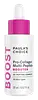
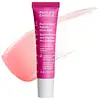
Paula's Choice Pro-Collagen Multi-Peptide Booster Versus Paula's Choice Pro-Collagen Peptide Gloss Balm

What's inside
What's inside
 Key Ingredients
Benefits
Concerns
Ingredients Side-by-side
Water
Skin ConditioningGlycerin
Humectant


Pentylene Glycol
Skin Conditioning
Hydrolyzed Yeast Extract
Skin ConditioningPyrus Malus Fruit Extract
Skin Conditioning
Dimethicone
Emollient
Propanediol
Solvent
Ceramide AP
Skin Conditioning



1,2-Hexanediol
Skin Conditioning
Glyceryl Glucoside
Humectant
Palmitoyl Tetrapeptide-72 Amide
Skin Conditioning
Sh-Polypeptide-121
Skin Conditioning
Tridecapeptide-1
Skin Conditioning
Polyglucuronic Acid
Skin ConditioningSodium Hyaluronate
Humectant
C9-12 Alkane
SolventAmmonium Polyacryloyldimethyl Taurate
Emulsion StabilisingPolygonum Bistorta Root Extract
Skin ConditioningBacillus Ferment
Skin Conditioning

Lecithin
Emollient
Sodium Phytate
ChelatingCoco-Caprylate/Caprate
Emollient
Hexylene Glycol
EmulsifyingCetyl Hydroxyethylcellulose
Emulsion StabilisingXanthan Gum
EmulsifyingEthylhexylglycerin
Skin ConditioningCaprylyl Glycol
Emollient
Magnesium Chloride
Potassium Sorbate
Preservative
Sodium Benzoate
Masking
Water, Glycerin, Pentylene Glycol, Hydrolyzed Yeast Extract, Pyrus Malus Fruit Extract, Dimethicone, Propanediol, Ceramide AP, 1,2-Hexanediol, Glyceryl Glucoside, Palmitoyl Tetrapeptide-72 Amide, Sh-Polypeptide-121, Tridecapeptide-1, Polyglucuronic Acid, Sodium Hyaluronate, C9-12 Alkane, Ammonium Polyacryloyldimethyl Taurate, Polygonum Bistorta Root Extract, Bacillus Ferment, Lecithin, Sodium Phytate, Coco-Caprylate/Caprate, Hexylene Glycol, Cetyl Hydroxyethylcellulose, Xanthan Gum, Ethylhexylglycerin, Caprylyl Glycol, Magnesium Chloride, Potassium Sorbate, Sodium Benzoate
Hydrogenated Polyisobutene
EmollientPolybutene
Diisostearyl Malate
EmollientBis-Diglyceryl Polyacyladipate-2
Emollient
Glyceryl Behenate
Emollient
Synthetic Beeswax
Emulsion Stabilising
Caprylic/Capric Triglyceride
Masking
Butyrospermum Parkii Butter
Skin Conditioning


Cetearyl Ethylhexanoate
Emollient
Ethylhexyl Palmitate
Emollient
Ricinus Communis Seed Oil
Masking

Dimethyl Isosorbide
SolventPalmitoyl Tripeptide-1
Skin Conditioning
Palmitoyl Tripeptide-38
Skin Conditioning
Tridecapeptide-1
Skin Conditioning
Sesamum Indicum Seed Extract
Skin Conditioning
Portulaca Pilosa Extract
Skin ConditioningPentylene Glycol
Skin Conditioning
Prunus Domestica Seed Oil
Skin Conditioning
Water
Skin ConditioningSodium Hyaluronate
Humectant
Tribehenin
Emollient
Sorbitan Isostearate
Emulsifying
Hydrogenated Castor Oil
Emollient
Lactic Acid
Buffering




Tocopherol
Antioxidant

Sucrose Cocoate
Emulsifying
Vanillin
Masking
CI 15850
Cosmetic ColorantHydrogenated Polyisobutene, Polybutene, Diisostearyl Malate, Bis-Diglyceryl Polyacyladipate-2, Glyceryl Behenate, Synthetic Beeswax, Caprylic/Capric Triglyceride, Butyrospermum Parkii Butter, Cetearyl Ethylhexanoate, Ethylhexyl Palmitate, Ricinus Communis Seed Oil, Dimethyl Isosorbide, Palmitoyl Tripeptide-1, Palmitoyl Tripeptide-38, Tridecapeptide-1, Sesamum Indicum Seed Extract, Portulaca Pilosa Extract, Pentylene Glycol, Prunus Domestica Seed Oil, Water, Sodium Hyaluronate, Tribehenin, Sorbitan Isostearate, Hydrogenated Castor Oil, Lactic Acid, Tocopherol, Sucrose Cocoate, Vanillin, CI 15850
Reviews
Ingredients Explained
These ingredients are found in both products.
Ingredients higher up in an ingredient list are typically present in a larger amount.
Pentylene Glycol (1,2-pentanediol) is a multitasking little diol with three main roles in a formula:
Research on alkanediols (the family pentylene glycol belongs to) show they work by disrupting microbial cell membranes. This disruption helps the primary preservative system in a product work more effectively at lower doses.
On the safety side, the Cosmetic Ingredient Review Expert Panel has concluded this ingredient to be safe as used in current cosmetic practices + concentrations.
Typical use levels in a formula run about 1-5%.
Learn more about Pentylene GlycolSodium Hyaluronate is the salt form of hyaluronic acid. It is a long sugar chain that is naturally found in your skin, joints, and connective tissue that maintains hydration and elasticity.
In skincare, it works as a humectant. It pulls water from the environment and deeper layers of skin and binds it to the surface.
Interestingly, the size of the molecule affects its behavior:
Some clinical evidence links low molecular weight versions to improved wrinkle depth, elasticity, anti-inflammatory effects, and barrier repair.
Many serums use a blend of both weights so you can get surface hydration plus longer-lasting and deeper effects.
You'll typically see concentrations between 0.1-2% for this ingredient.
Learn more about Sodium HyaluronateTridecapeptide-1 is a synthetic peptide that gets marketed as a "Botox-like" because it is a neutrotransmitter peptide.
Your skin uses a chemical called acetylcholine to tell tiny facial muscles to move and Tridecapeptide-1 tries to take that chemical's spot. This makes muscles stay a little more relaxed and helps lines like crow's feet look softer.
Concentration-wise, the numbers come mostly from suppliers and brands; typical leave-on use lands between 1-10%.
The supplier does report that 1-3% gives a subtle short-term smoothing effect within 15 minutes to an hour for some users. Higher levels (3-10%) showed stronger results after four week of twice-daily use.
You might also see this ingredient paired with glycols at 2-5% to help performance.
At this time, all the efficacy data traces back to the supplier's in-house testing and not third-party trials. Though the bigger category this ingredient belongs to ("neuro" peptides) do have some published research suggesting topical peptides can give mild cosmetic smoothing.
Learn more about Tridecapeptide-1Water. It's the most common cosmetic ingredient of all. You'll usually see it at the top of ingredient lists, meaning that it makes up the largest part of the product.
So why is it so popular? Water most often acts as a solvent - this means that it helps dissolve other ingredients into the formulation.
You'll also recognize water as that liquid we all need to stay alive. If you see this, drink a glass of water. Remember to stay hydrated!
Learn more about Water

