Paula's Choice C15 Super Booster Versus Glow Recipe Strawberry Smooth BHA + AHA Salicylic Acid Serum
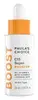
This brightening serum is formulated around Ascorbic Acid and Ferulic Acid to brighten dull-looking skin and soften the look of wrinkles.
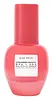
This smoothing serum is formulated around Salicylic Acid and Mandelic Acid to refine skin texture and clear breakouts.

What's inside
What's inside
 Key Ingredients
Benefits
Concerns
Ingredients Side-by-side
Water
Skin ConditioningAscorbic Acid
Antioxidant






Dipropylene Glycol
HumectantPropanediol
Solvent

Glycerin
Humectant
Ethoxydiglycol
HumectantSodium Hydroxide
BufferingPPG-26-Buteth-26
Skin ConditioningPEG-40 Hydrogenated Castor Oil
Emulsifying


Bisabolol
Antioxidant

Ferulic Acid
Antimicrobial
Sodium Phytate
ChelatingDecylene Glycol
Skin ConditioningTocopherol
Antioxidant
1,2-Hexanediol
Skin Conditioning
Sphingomonas Ferment Extract
Skin Conditioning
Phenoxyethanol
Preservative
Water
Skin ConditioningMethylpropanediol
SolventC9-12 Alkane
SolventFragaria Vesca Fruit Extract
AstringentHydroxypropyl Starch Phosphate
Salicylic Acid
Masking






Pentylene Glycol
Skin Conditioning
Mandelic Acid
Antimicrobial
Succinic Acid
BufferingFragaria Vesca Leaf Extract
AstringentAzelaic Acid
Buffering
Allantoin
Skin Conditioning
Sodium Hyaluronate
Humectant
Bisabolol
Antioxidant
Opuntia Ficus-Indica Flower Extract
Skin ConditioningNiacinamide
Smoothing
Glucosamine
Zingiber Officinale Root Extract
Masking
Saccharomyces Ferment
Skin Conditioning
Dextrin
AbsorbentPolydextrose
Humectant1,2-Hexanediol
Skin Conditioning
Caprylyl Glycol
Emollient
Coco-Caprylate/Caprate
Emollient
Hydroxyacetophenone
Antioxidant
Amylopectin
Butylene Glycol
Humectant
Succinoglycan
Skin ConditioningLeuconostoc/Radish Root Ferment Filtrate
Antimicrobial
Lauroyl Lysine
Skin Conditioning
Sodium Phytate
ChelatingLecithin
Emollient
Aminomethyl Propanol
BufferingXanthan Gum
EmulsifyingCitric Acid
Buffering
Parfum
Masking

Water, Methylpropanediol, C9-12 Alkane, Fragaria Vesca Fruit Extract, Hydroxypropyl Starch Phosphate, Salicylic Acid, Pentylene Glycol, Mandelic Acid, Succinic Acid, Fragaria Vesca Leaf Extract, Azelaic Acid, Allantoin, Sodium Hyaluronate, Bisabolol, Opuntia Ficus-Indica Flower Extract, Niacinamide, Glucosamine, Zingiber Officinale Root Extract, Saccharomyces Ferment, Dextrin, Polydextrose, 1,2-Hexanediol, Caprylyl Glycol, Coco-Caprylate/Caprate, Hydroxyacetophenone, Amylopectin, Butylene Glycol, Succinoglycan, Leuconostoc/Radish Root Ferment Filtrate, Lauroyl Lysine, Sodium Phytate, Lecithin, Aminomethyl Propanol, Xanthan Gum, Citric Acid, Parfum
Reviews
Ingredients Explained
These ingredients are found in both products.
Ingredients higher up in an ingredient list are typically present in a larger amount.
1,2-Hexanediol is a synthetic liquid and another multi-functional powerhouse.
It is a:
- Humectant, drawing moisture into the skin
- Emollient, helping to soften skin
- Solvent, dispersing and stabilizing formulas
- Preservative booster, enhancing the antimicrobial activity of other preservatives
Bisabolol is a gentle skin conditioner, antioxidant, and soothing ingredient.
It's primary claim to fame is soothing and research shows topically applied bisabolol can quiet the chemical messengers that cause your skin to become inflamed, helping to sooth any irritation.
A clinical study found that applying 0.5% bisabolol daily for 8 weeks produced an average 9% decrease in skin pigmentation. Researchers found it can also suppress the process that leads to excess melanin production in skin.
In vitro studies found that bisabolol combined with propylene glycol significantly increased skin permeability by increasing lipid fluidity in the stratum corneum.
You'll likely see use concentrations quite low, usually 0.1-0.2%.
Overall, this is a well-tolerated ingredient that works well in formulas designed for sensitive, reactive, or post-procedure skin.
Learn more about BisabololSodium Phytate is the sodium salt of Phytic acid, a compound that plants store phosphorus in. It's the plant-derived alternative to ingredients like Disodium EDTA.
In skincare, this ingredient is a chelator that grabs onto trace metal ions like iron and copper that sneak into formulas through water/raw materials.
Those metals speed up oxidation so binding them keeps oils, fragrance, and actives from going off, stops color changes, and helps the preservative system work harder.
Survey data shows usage levels range from 0.0099%-0.5% in leave-on products, 0.025%-0.3% in rinse-off, and up to 0.05% in eye-area products. Suppliers typically recommend a range between 0.05-0.5%.
Learn more about Sodium PhytateWater. It's the most common cosmetic ingredient of all. You'll usually see it at the top of ingredient lists, meaning that it makes up the largest part of the product.
So why is it so popular? Water most often acts as a solvent - this means that it helps dissolve other ingredients into the formulation.
You'll also recognize water as that liquid we all need to stay alive. If you see this, drink a glass of water. Remember to stay hydrated!
Learn more about Water

