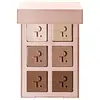
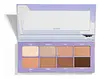
Patrick Ta Major Dimension Essential Artistry Edit Eyeshadow Palette Versus Kosas Undressed Eyeshadow Palette

What's inside
What's inside
 Key Ingredients
Benefits
Concerns
Ingredients Side-by-side
Mica
Cosmetic ColorantSynthetic Fluorphlogopite
Magnesium Myristate


Calcium Silicate
AbsorbentOctyldodecyl Stearoyl Stearate
Emollient

Polymethyl Methacrylate

Butyrospermum Parkii Butter
Skin Conditioning


Polyethylene
Abrasive
Phenoxyethanol
Preservative
Polyglyceryl-2 Dipolyhydroxystearate
Skin Conditioning
Octyldodecanol
Emollient
Trimyristin
Skin Conditioning
Glyceryl Triacetyl Ricinoleate
Emollient
Undecane
EmollientSqualane
Emollient
Tridecane
Perfuming

Hydrogenated Lecithin
Emulsifying
Polyglyceryl-10 Diisostearate
Emulsifying
Ricinus Communis Seed Oil
Masking
Potassium Sorbate
Preservative
Sodium Hyaluronate
Humectant

Caprylic/Capric Triglyceride
Masking
Polyurethane-79
Hydrogenated Castor Oil
Emollient
Citric Acid
Buffering

CI 77891
Cosmetic ColorantCI 77491
Cosmetic ColorantCI 77492
Cosmetic ColorantCI 77499
Cosmetic ColorantSilica
Abrasive
Zea Mays Starch
Absorbent
CI 77163
Cosmetic Colorant
CI 77007
Cosmetic ColorantMica, Synthetic Fluorphlogopite, Magnesium Myristate, Calcium Silicate, Octyldodecyl Stearoyl Stearate, Polymethyl Methacrylate, Butyrospermum Parkii Butter, Polyethylene, Phenoxyethanol, Polyglyceryl-2 Dipolyhydroxystearate, Octyldodecanol, Trimyristin, Glyceryl Triacetyl Ricinoleate, Undecane, Squalane, Tridecane, Hydrogenated Lecithin, Polyglyceryl-10 Diisostearate, Ricinus Communis Seed Oil, Potassium Sorbate, Sodium Hyaluronate, Caprylic/Capric Triglyceride, Polyurethane-79, Hydrogenated Castor Oil, Citric Acid, CI 77891, CI 77491, CI 77492, CI 77499, Silica, Zea Mays Starch, CI 77163, CI 77007
Mica
Cosmetic ColorantSynthetic Fluorphlogopite
Calcium Silicate
AbsorbentSilica
Abrasive
Octyldodecyl Stearoyl Stearate
Emollient
Zea Mays Starch
Absorbent
Polyglyceryl-2 Dipolyhydroxystearate
Skin Conditioning
Caprylic/Capric Triglyceride
Masking
Cucumis Sativus Fruit Extract
Emollient
Glyceryl Triacetyl Ricinoleate
Emollient
Helianthus Annuus Seed Extract
Skin Conditioning
Hordeum Vulgare Extract
EmollientHydrogenated Lecithin
Emulsifying
Octyldodecanol
Emollient
Pentylene Glycol
Skin Conditioning
Phenethyl Alcohol
MaskingPolyglyceryl-3 Diisostearate
Emulsifying
Potassium Sorbate
Preservative
Propanediol
Solvent
Butyrospermum Parkii Butter
Skin Conditioning
Squalane
Emollient
Tocopherol
Antioxidant


Tridecane
Perfuming
Trimyristin
Skin Conditioning
Undecane
EmollientZinc Stearate
Cosmetic ColorantCI 77891
Cosmetic ColorantCI 77491
Cosmetic ColorantCI 77492
Cosmetic ColorantCI 77499
Cosmetic ColorantCI 77007
Cosmetic ColorantCI 16035
Cosmetic ColorantSucrose Acetate Isobutyrate
Polyhydroxystearic Acid
Emulsifying
Coconut Alkanes
Emollient
Oryza Sativa Bran Wax
Skin Conditioning
Coco-Caprylate/Caprate
Emollient
Mica, Synthetic Fluorphlogopite, Calcium Silicate, Silica, Octyldodecyl Stearoyl Stearate, Zea Mays Starch, Polyglyceryl-2 Dipolyhydroxystearate, Caprylic/Capric Triglyceride, Cucumis Sativus Fruit Extract, Glyceryl Triacetyl Ricinoleate, Helianthus Annuus Seed Extract, Hordeum Vulgare Extract, Hydrogenated Lecithin, Octyldodecanol, Pentylene Glycol, Phenethyl Alcohol, Polyglyceryl-3 Diisostearate, Potassium Sorbate, Propanediol, Butyrospermum Parkii Butter, Squalane, Tocopherol, Tridecane, Trimyristin, Undecane, Zinc Stearate, CI 77891, CI 77491, CI 77492, CI 77499, CI 77007, CI 16035, Sucrose Acetate Isobutyrate, Polyhydroxystearic Acid, Coconut Alkanes, Oryza Sativa Bran Wax, Coco-Caprylate/Caprate
Ingredients Explained
These ingredients are found in both products.
Ingredients higher up in an ingredient list are typically present in a larger amount.
This ingredient is also known as shea butter. It is a plant-derived extract from the nuts of the Africa shea tree and one of the most well-studied emollients.
Because it has a high concentration of fatty acids (primarily oleic, stearic, and linoleic) it is able to form a protective barrier on the skin's surface. This helps seal in moisture and prevents transepidermal water loss (TEWL).
In vitro research found an increase in skin hydration by 58% and a decrease in TEWL by 37.8% after 24 hours of applying this ingredient (pretty impressive for a single ingredient!).
Besides hydration, shea butter also contains triterpenes that have anti-inflammatory potential. In particule, lupeol cinnamate has shown the highest anti-inflammatory activity in vivo.
Shea butter also contains vitamins A and E which may contribute to antioxidant activity.
While Shea Butter has an SPF rating of about 3-4, it is not a sunscreen replacement.
This ingredient may not be fungal acne safe because its fatty acids fall within the C11-C24 range that the Malassezia yeast can metabolize.
This ingredient shows up on a lot of "pore-clogging" lists but there's no real evidence behind that. It doesn't even have a comedogenic rating from an actual study; the numbers you'll find online come from blogs citing other blogs.
Ratings for other ingredients mostly come from a 1980s rabbit ear test. This test doesn't translate well to human skin or to real products because the ingredient sits at a much lower percentage.
Some people still find it breaks them out. So if that's you, definitely trust your skin. Just know this one's based on experience and not evidence.
Learn more about Butyrospermum Parkii ButterWe don't have a description for Calcium Silicate yet.
Caprylic/Capric Triglyceride (aka MCT Oil) is a lightweight emollient, solvent, and texture enhancer. It is considered a skin-softener by helping to prevent moisture loss.
Though it behaves like an oil, it is not technically one due to its chemical composition. One perk of this ingredient is that it is very stable, resistant to oxidation, and unlikely to go rancid.
In practice, that translates to a long shelf life and a consistently elegant skin feel.
While there is an assumption Caprylic Triglyceride can clog pores due to it being derived from coconut oil, there is no research supporting this. Just patch test if you have concerns.
Fractionated coconut oil and MCT Oil are both listed as Caprylic/Capric Triglyceride according to INCI. This is because INCI names are based on the ingredient’s final chemical composition and not its marketing name or source.
This ingredient is treated as the gold standard fungal acne safe oil. Even though it is coconut derived, the problematic lauric acid is stripped out.
This leaves just caprylic (C8) and capric (C10) acid. These chain lengths actually trend antifungal; a 2020 study found caprylic acid was enough to disrupt Malassezia furfur cell membrane, with a caprylic acid derivative damaging membrane structures at concentrations as low as 0.2%.
Learn more about Caprylic/Capric TriglycerideThis pigment is called Ultramarine blue lazurite. It gives a saturated blue color, but can be used to create other colors as well.
According to the manufacturer, it is usually made from kaolin, sodium sulfate, sodium carbonate, sulfur, and charcoal.
Ci 77491 is also hydrated iron III oxide. It's sole purpose is to give a red/pink hue to products.
Iron III oxides are classified as inorganic chemicals for coloring.
Synthetically created Ci 77491 is considered safer than those naturally found. This is because the synthetically created version may contain less impurities. Iron oxides are generally non-toxic and non-allergenic.
Learn more about CI 77491CI 77492 is also hydrated iron III oxide. It's sole purpose is to give a yellow hue to products.
Iron III oxides are classified as inorganic chemicals for coloring.
Synthetically created CI 77492 is considered safer than those naturally found. This is because the synthetically created version may contain less impurities. Iron oxides are generally non-toxic and non-allergenic.
Learn more about CI 77492Ci 77499 is also hydrated iron III oxide. It is created from mixing red and black iron oxides. This helps give shades of darkness to a product.
Iron III oxides are classified as inorganic chemicals for coloring.
Ci 77891 is a white pigment from Titanium dioxide. It is naturally found in minerals such as rutile and ilmenite.
It's main function is to add a white color to cosmetics. It can also be mixed with other colors to create different shades.
Ci 77891 is commonly found in sunscreens due to its ability to block UV rays.
Learn more about CI 77891Glyceryl Triacetyl Ricinoleate isn't fungal acne safe.
Hydrogenated Lecithin is a more stable version of lecithin.
It's made by taking lecithin (a phospholipid commonly found in soybeans and egg yolks) and hydrogenating it. This just means the unsaturated fatty acids are turned into saturated ones so they don't go bad as easily.
This ingredient is an emollient, emulsifier, and penetration enhancer. As an emollient, it helps soften and hydrate skin by trapping moisture within. As an emulsifier, it prevents oil and water ingredients from separating.
Hydrogenated Lecithin can form tiny spherical structures made of phospholipid bilayers called liposomes. These liposomes are able to capture compounds inside their structure and deliver them through the skin barrier.
Because phospholipids are a natural component of our cell membranes, this ingredient is inherently compatible with skin.
A 2021 study found lecithin-based surfactants were less harsh and more tolerable comared to Sodium Lauryl Sulfate (SLS).
Learn more about Hydrogenated LecithinMica is a naturally occurring mineral used to add shimmer and color in cosmetics. It can also help improve the texture of a product or give it an opaque, white/silver color.
Serecite is the name for very fine but ragged grains of mica.
This ingredient is often coated with metal oxides like titanium dioxide. Trace amounts of heavy metals may be found in mica, but these metals are not harmful in our personal products.
Mica has been used since prehistoric times throughout the world. Ancient Egyptian, Indian, Greek, Roman, Aztec, and Chinese civilizations have used mica.
Learn more about MicaOctyldodecanol is a fatty alcohol sourced from plant oils like coconut or palm (or made synthetically).
It is:
You'll likely see this in many BHA products because this is the go-to solvent for salicylic acid.
This ingredient is typically used at levels between 2-20%.
Regarding fungal acne:
In 2019, this ingredient was tested against multiple Malassezia species (the yeast that causes fungal acne) and showed no growth.
Octyldodecyl Stearoyl Stearate is an emollient ester that mostly shows up in color cosmetics.
Functionally, it works as a skin-conditioning agent and a viscosity-increasing agent. This just means it helps soften skin while also thickening water-free formulas (like powders).
Despite being a "stearate", it has a lightweight, cushiony, and non-greasy slip.
This ingredient has shown no adverse effects in testing and is deemed safe in cosmetics at current use levels.
Typical concentrations range from 0.7-23%.
Because it is made of C-18 fatty acids (like stearic acid), this ingredient may not be fungal acne safe.
Learn more about Octyldodecyl Stearoyl StearatePolyglyceryl-2 Dipolyhydroxystearate isn't fungal acne safe.
Potassium Sorbate is a preservative used to prevent yeast and mold in products. It is commonly found in both cosmetic and food products.
This ingredient comes from potassium salt derived from sorbic acid. Sorbic acid is a natural antibiotic and effective against fungus.
Both potassium sorbate and sorbic acid can be found in baked goods, cheeses, dried meats, dried fruit, ice cream, pickles, wine, yogurt, and more.
You'll often find this ingredient used with other preservatives.
Learn more about Potassium SorbateSilica, also known as silicon dioxide, is a naturally occurring mineral. It is used as a fine, spherical, and porous powder in cosmetics.
Though it has exfoliant properties, the function of silica varies depending on the product.
The unique structure of silica enhances the spreadability and adds smoothness, making it a great texture enhancer.
It is also used as an active carrier, emulsifier, and mattifier due to its ability to absorb excess oil.
In some products, tiny microneedles called spicules are made from silica or hydrolyzed sponge. When you rub them in, they lightly polish away dead skin layers and enhance the penetration of active ingredients.
Learn more about SilicaSqualane is the hydrogenated and shelf-stable form of squalene (a lipid that naturally occurs in human sebum).
It is an emollient and skin conditioning agent that is able to integrate seamlessly into the skin's lipid barrier without clogging pores.
This is due to how structurally similar it is to what your skin already produces.
Though it is mostly an emollient that helps soften and hydrate skin, it also has some humectant and occlusive action. Humectants help the skin retain moisture while occlusives seal it in, making squalane a triple-threat moisturizer.
Research shows it has antioxidant capabilities that help protect against stressors like UV exposure, specifically UVA induced oxidative stress. This study also found that it supports collagen biosynthesis in human dermal fibroblasts.
No clinical study has reported significant adverse effects and irritation reactions are very rare from this ingredient (even at 100% concentration).
Overall, it's a fantastic ingredient for hydration and is suitable for all skin types.
This depends on the source. Squalane can be derived from both plants and animals. Most squalane used in skincare comes from plants.
Please note: the source of squalane is only known if disclosed by the brand. We recommend reaching out to the brand if you have any questions about their squalane.
Read more about squalene with an "e".
Though squalane is often called an oil, it’s technically not one. It is a hydrocarbon, meaning it is only made of carbon and hydrogen. True oils are triglycerides and made of fatty acids and glycerol.
The term “oil-free” isn’t regulated so companies can define it however they want. Some exclude all oils, while others just avoid mineral oil or comedogenic oils.
Squalane has a comedogenic rating of 1 from the original 1972 study that tested raw ingredients under occlusion on rabbit ears. This system is not standardized or peer-reviewed, and using the raw ingredients is very different from how diluted cosmetic formulations are used on human skin.
A comedogenic rating of 1 means it is "unlikely to clog pores" according to the original rating system.
The overall formula of a product matters more than the individual ingredients on whether or not it will cause clogged pores.
Learn more about SqualaneSynthetic Fluorphlogopite is the synthethic version of mica. It consists of fluorine, aluminum and silicate.
Synthetic Fluorphlogopite is used to add volume to products.
It is considered non-irritating on the skin.
Learn more about Synthetic FluorphlogopiteTridecane is a lightweight emollient and fragrancing ingredient. It is a paraffin and often called a silicone alternative.
According to official INCI guidelines, this ingredient is used to give a light odor to raw materials. It is often used as a starter ingredient to create parfum.
This ingredient can be derived from palm oil, or coconut oil. It is also naturally found in certain species of organisms.
According to the NOAA, this ingredient can cause skin sensitivity with prolonged use. However, this warning is taken from the Coast Guard and no studies have been done on this in relation to cosmetics.
Tridecane is not water soluble.
Learn more about TridecaneTrimyristin isn't fungal acne safe.
Undecane is an emollient and helps create a lightweight base for products.
Is is not soluble in water and naturally occurring in some species.
Zea Mays Starch is starch made from corn. You might know this as cornstarch . It is used to thicken a product. It can replace talc as an absorbent.
The pH of cornstarch is 5.92.
Cornstarch is a common food ingredient used to thicken soups or to make corn syrup.
Learn more about Zea Mays Starch

