Pacifica Wake Up Beautiful Waterless Cleansing Balm Versus Pacifica Wake Up Beautiful Retinoid Serum
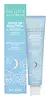
This oil-based makeup remover is made to dissolve makeup, sunscreen, and daily buildup.
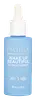
This anti-aging serum is formulated around Hydroxypinacolone Retinoate to soften the look of wrinkles and refine skin texture.

What's inside
What's inside
 Key Ingredients
Benefits
Concerns
Ingredients Side-by-side
Helianthus Annuus Seed Oil
Emollient



Behenyl Alcohol
Emollient
Caprylic/Capric Triglyceride
Masking

Oryza Sativa Bran Wax
Skin Conditioning
Polyglyceryl-2 Caprate
EmulsifyingMoringa Oleifera Seed Oil
Emollient


Glyceryl Stearate
Emollient
Polyhydroxystearic Acid
Emulsifying
Tribehenin
Emollient
Tremella Fuciformis Sporocarp Extract
Antioxidant

Lauryl Glucoside
CleansingPolyglyceryl-2 Sesquioleate
Emulsifying
Silica
Abrasive


Glyceryl Behenate
Emollient
Rosa Canina Fruit Oil
Emollient
Chenopodium Quinoa Seed Oil
Emollient
Glycerin
Humectant
Limnanthes Alba Seed Oil
Skin Conditioning
Sodium Hyaluronate
Humectant

Rosa Centifolia Flower Extract
Astringent
Parfum
Masking


Helianthus Annuus Seed Oil, Behenyl Alcohol, Caprylic/Capric Triglyceride, Oryza Sativa Bran Wax, Polyglyceryl-2 Caprate, Moringa Oleifera Seed Oil, Glyceryl Stearate, Polyhydroxystearic Acid, Tribehenin, Tremella Fuciformis Sporocarp Extract, Lauryl Glucoside, Polyglyceryl-2 Sesquioleate, Silica, Glyceryl Behenate, Rosa Canina Fruit Oil, Chenopodium Quinoa Seed Oil, Glycerin, Limnanthes Alba Seed Oil, Sodium Hyaluronate, Rosa Centifolia Flower Extract, Parfum
Water
Skin ConditioningPropanediol
Solvent
Helianthus Annuus Seed Oil
Emollient
Cetearyl Olivate
Sorbitan Olivate
Emulsifying
Hydroxypinacolone Retinoate
Skin Conditioning



Rosa Centifolia Flower Extract
Astringent
Calendula Officinalis Flower Extract
Masking
Chamomilla Recutita Flower Extract
Masking
Ganoderma Lucidum Extract
Skin Protecting
Trametes Versicolor Extract
Chenopodium Quinoa Seed Extract
Skin Conditioning
Melatonin
Antioxidant
Oryza Sativa Bran Extract
Skin Conditioning
Helianthus Annuus Extract
Emollient
Rosmarinus Officinalis Leaf Extract
AntimicrobialTocopherol
Antioxidant

Glycerin
Humectant
Linoleic Acid
Cleansing
Phytosterols
Skin Conditioning
Phospholipids
Skin Conditioning
Jojoba Esters
Emollient
Caprylic/Capric Triglyceride
Masking
Sodium Hyaluronate
Humectant
Xanthan Gum
EmulsifyingAcacia Senegal Gum
MaskingSodium Gluconate
ChelatingDimethyl Isosorbide
SolventMethylheptylglycerin
HumectantCaprylhydroxamic Acid
ChelatingCaprylyl Glycol
Emollient
Citric Acid
Buffering
Water, Propanediol, Helianthus Annuus Seed Oil, Cetearyl Olivate, Sorbitan Olivate, Hydroxypinacolone Retinoate, Rosa Centifolia Flower Extract, Calendula Officinalis Flower Extract, Chamomilla Recutita Flower Extract, Ganoderma Lucidum Extract, Trametes Versicolor Extract, Chenopodium Quinoa Seed Extract, Melatonin, Oryza Sativa Bran Extract, Helianthus Annuus Extract, Rosmarinus Officinalis Leaf Extract, Tocopherol, Glycerin, Linoleic Acid, Phytosterols, Phospholipids, Jojoba Esters, Caprylic/Capric Triglyceride, Sodium Hyaluronate, Xanthan Gum, Acacia Senegal Gum, Sodium Gluconate, Dimethyl Isosorbide, Methylheptylglycerin, Caprylhydroxamic Acid, Caprylyl Glycol, Citric Acid
Reviews
Ingredients Explained
These ingredients are found in both products.
Ingredients higher up in an ingredient list are typically present in a larger amount.
Caprylic/Capric Triglyceride (aka MCT Oil) is a lightweight emollient, solvent, and texture enhancer. It is considered a skin-softener by helping to prevent moisture loss.
Though it behaves like an oil, it is not technically one due to its chemical composition. One perk of this ingredient is that it is very stable, resistant to oxidation, and unlikely to go rancid.
In practice, that translates to a long shelf life and a consistently elegant skin feel.
While there is an assumption Caprylic Triglyceride can clog pores due to it being derived from coconut oil, there is no research supporting this. Just patch test if you have concerns.
Fractionated coconut oil and MCT Oil are both listed as Caprylic/Capric Triglyceride according to INCI. This is because INCI names are based on the ingredient’s final chemical composition and not its marketing name or source.
This ingredient is treated as the gold standard fungal acne safe oil. Even though it is coconut derived, the problematic lauric acid is stripped out.
This leaves just caprylic (C8) and capric (C10) acid. These chain lengths actually trend antifungal; a 2020 study found caprylic acid was enough to disrupt Malassezia furfur cell membrane, with a caprylic acid derivative damaging membrane structures at concentrations as low as 0.2%.
Learn more about Caprylic/Capric TriglycerideGlycerin (or glycerol) is a compound naturally found in your skin. It's a powerhouse humectant that pulls water into the stratum corneum.
Topically, glycerin does several things at once:
Your skin makes glycerin on its own (mostly from sebaceous oil breakdown) and shuttles it to your outermost layer of skin, or your epidermis, via aquaporin-3.
Aquaporin-3 is a transporter that is essential for normal skin hydration, elasticity, and repair. Interestingly, mice lacking in AQP3 have dry and less elastic skin that can be fully corrected with glycerin.
This ingredient is non-irritating, plays well with almost every ingredient, and works across all skin types. Typical use is anywhere between 3-10% but can go up to 79% in some leave-on products.
Just know very high concentrations (>40%) can feel tacky in low humidity.
Glycerin is the name for this ingredient in American English. British English uses Glycerol/Glycerine.
Learn more about GlycerinHelianthus Annuus Seed Oil is a plant oil derived from the seeds of a sunflower.
It is rich in fatty acids, primarily linoleic acid and oleic acid. This gives it emollient and skin conditioning properties.
The reason this ingredient is so effective is because it forms a thin film on the skin that reduces transepidermal water loss (TEWL) while supplying linoleic acid to the stratum corneum to improve barrier strength.
The high linoleic acid content is particularly noteworthy for acne-prone skin.
Research suggests that acne-prone skin tends to be deficient in linoleic acid in sebum. Topical application may help replenish this to support a healthier follicular environment and less comedone-promoting sebum.
One randomized study found sunflower seed oil preserved skin barrier integrity in adult volunteers with and without atopic dermatitis (outperforming olive oil).
This ingredient is well-studied, gentle, and an effective emollient suitable for most skin types.
On fungal acne: This ingredient may not be Fungal acne (Malassezia folliculitis) safe. This is because it contains fatty acids with carbon chain lengths in the C11-C24 range.
Learn more about Helianthus Annuus Seed OilThis extract comes from Rosa centifolia petals and flowers. It has astringent, masking, skin conditioning, and tonic properties.
The compounds in this ingredient can give skin a toning feel, which is why it's sometimes described as a mild astringent. It's often described as a tonic because rose ingredients have long been used in facial waters and toners for refreshing the skin.
Rosa centifolia has a natural floral scent that can mask or soften unpleasant odors from other ingredients.
Like other botanical extracts, people with very fragrance-sensitive skin may prefer to patch test.
Learn more about Rosa Centifolia Flower ExtractSodium Hyaluronate is the salt form of hyaluronic acid. It is a long sugar chain that is naturally found in your skin, joints, and connective tissue that maintains hydration and elasticity.
In skincare, it works as a humectant. It pulls water from the environment and deeper layers of skin and binds it to the surface.
Interestingly, the size of the molecule affects its behavior:
Some clinical evidence links low molecular weight versions to improved wrinkle depth, elasticity, anti-inflammatory effects, and barrier repair.
Many serums use a blend of both weights so you can get surface hydration plus longer-lasting and deeper effects.
You'll typically see concentrations between 0.1-2% for this ingredient.
Learn more about Sodium Hyaluronate

