
What's inside
What's inside
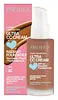 Key Ingredients
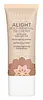
Benefits
Concerns
Ingredients Side-by-side
Zinc Oxide 20%
Cosmetic Colorant


Water
Skin ConditioningCaprylic/Capric Triglyceride
Masking


Aloe Barbadensis Leaf Juice
Skin Conditioning

Polyglyceryl-3 Polyricinoleate
Emulsifying

Glycerin
Humectant
Simmondsia Chinensis Seed Oil
Emollient
Hydrogenated Castor Oil
Emollient
Sorbitan Sesquioleate
Emulsifying
Hydrogenated Methyl Abietate
Stearyl/Octyldodecyl Citrate Crosspolymer
HumectantMagnesium Sulfate
Cucumis Sativus Extract
Skin Conditioning
Malus Domestica Fruit Cell Culture Extract
Skin ConditioningHelianthus Annuus Seed Oil
Emollient
Sodium Hyaluronate
Humectant

Crithmum Maritimum Extract
Skin ConditioningCrambe Maritima Leaf Extract
Skin ConditioningVitis Vinifera Fruit Cell Extract
Skin ConditioningIsomalt
HumectantLecithin
Emollient
Tremella Fuciformis Polysaccharide
Emulsion Stabilising
Dextran
Caprooyl Tetrapeptide-3
Skin Protecting
Copper Tripeptide-1
Skin Conditioning
Jojoba Esters
Emollient
Polyglyceryl-6 Polyricinoleate
Emulsifying
Parfum
Masking



CI 77492
Cosmetic ColorantSilica
Abrasive

Caprylhydroxamic Acid
ChelatingGlyceryl Caprylate
EmollientEthylhexylglycerin
Skin ConditioningXanthan Gum
EmulsifyingSodium Benzoate
Masking
CI 77491
Cosmetic ColorantCI 77499
Cosmetic ColorantZinc Oxide 20%, Water, Caprylic/Capric Triglyceride, Aloe Barbadensis Leaf Juice, Polyglyceryl-3 Polyricinoleate, Glycerin, Simmondsia Chinensis Seed Oil, Hydrogenated Castor Oil, Sorbitan Sesquioleate, Hydrogenated Methyl Abietate, Stearyl/Octyldodecyl Citrate Crosspolymer, Magnesium Sulfate, Cucumis Sativus Extract, Malus Domestica Fruit Cell Culture Extract, Helianthus Annuus Seed Oil, Sodium Hyaluronate, Crithmum Maritimum Extract, Crambe Maritima Leaf Extract, Vitis Vinifera Fruit Cell Extract, Isomalt, Lecithin, Tremella Fuciformis Polysaccharide, Dextran, Caprooyl Tetrapeptide-3, Copper Tripeptide-1, Jojoba Esters, Polyglyceryl-6 Polyricinoleate, Parfum, CI 77492, Silica, Caprylhydroxamic Acid, Glyceryl Caprylate, Ethylhexylglycerin, Xanthan Gum, Sodium Benzoate, CI 77491, CI 77499
Water
Skin ConditioningCaprylic/Capric Triglyceride
Masking
Jojoba Esters
Emollient
Glycerin
Humectant
Cetearyl Olivate
Sorbitan Sesquioleate
Emulsifying
Mica
Cosmetic ColorantIris Pallida Leaf Cell Extract
Antioxidant
Rosa Damascena Leaf Cell Extract
Skin ProtectingCocos Nucifera Water
Masking
Laminaria Hyperborea Extract
Skin ProtectingHyaluronic Acid
Humectant
Withania Somnifera Root Extract
Skin Conditioning
Carthamus Tinctorius Seed Oil
Masking
Potassium Cetyl Phosphate
EmulsifyingHydroxyethylcellulose
Emulsion StabilisingTitanium Dioxide
Cosmetic Colorant
Iron Oxides
Potassium Sorbate
Preservative
Sodium Dehydroacetate
Preservative
Sodium Benzoate
Masking
Citric Acid
Buffering

Punica Granatum Extract
AstringentCamellia Sinensis Extract
Antioxidant
Aloe Barbadensis Leaf Juice
Skin Conditioning
Parfum
Masking
Water, Caprylic/Capric Triglyceride, Jojoba Esters, Glycerin, Cetearyl Olivate, Sorbitan Sesquioleate, Mica, Iris Pallida Leaf Cell Extract, Rosa Damascena Leaf Cell Extract, Cocos Nucifera Water, Laminaria Hyperborea Extract, Hyaluronic Acid, Withania Somnifera Root Extract, Carthamus Tinctorius Seed Oil, Potassium Cetyl Phosphate, Hydroxyethylcellulose, Titanium Dioxide, Iron Oxides, Potassium Sorbate, Sodium Dehydroacetate, Sodium Benzoate, Citric Acid, Punica Granatum Extract, Camellia Sinensis Extract, Aloe Barbadensis Leaf Juice, Parfum
Ingredients Explained
These ingredients are found in both products.
Ingredients higher up in an ingredient list are typically present in a larger amount.
Aloe Barbadensis Leaf Juice is the filtered, stabilized liquid pressed from the inner gel of the aloe vera leaf.
In cosmetics, it shows up as either soothing active or a water-replacement base. It is roughly 98-99% water and the last 1-2% is an interesting mix of polysaccharides, amino acids, vitamins, minerals, and enzymes.
The polysaccharides do most of the work: they bind water at the skin surface for a light, non-greasy hydration boost. And one of the polysaccharides, glycomannan, is linked to fibroblast stimulation + collagen synthesis. This is also why aloe has such a long track record in wound and burn healing.
This ingredient is also calming with anti-inflammatory and mild antimicrobial activity, making it a great pick for sensitive, irritated, or post-sun skin.
Realistic expectations matter though; the solid evidence is mostly limited to hydration, soothing, and wound support. Deeper claims about anti-aging or sun protection are not well backed, and science reviews note it does not prevent radiation-induced skin injury.
Because it plays well with almost everything, it's commonly used as a base alongside other actives like niacinamide or vitamin C.
Typical usage concentrations range from 0.5% (where hydration benefits already show up) all the way to 90%+ (where it replaces water as the main base).
The safety for this ingredient is well-establish as well. Overall, this is a great supporting ingredient for those who want a boost in hydration.
Learn more about Aloe Barbadensis Leaf JuiceCaprylic/Capric Triglyceride (aka MCT Oil) is a lightweight emollient, solvent, and texture enhancer. It is considered a skin-softener by helping to prevent moisture loss.
Though it behaves like an oil, it is not technically one due to its chemical composition. One perk of this ingredient is that it is very stable, resistant to oxidation, and unlikely to go rancid.
In practice, that translates to a long shelf life and a consistently elegant skin feel.
While there is an assumption Caprylic Triglyceride can clog pores due to it being derived from coconut oil, there is no research supporting this. Just patch test if you have concerns.
Fractionated coconut oil and MCT Oil are both listed as Caprylic/Capric Triglyceride according to INCI. This is because INCI names are based on the ingredient’s final chemical composition and not its marketing name or source.
This ingredient is treated as the gold standard fungal acne safe oil. Even though it is coconut derived, the problematic lauric acid is stripped out.
This leaves just caprylic (C8) and capric (C10) acid. These chain lengths actually trend antifungal; a 2020 study found caprylic acid was enough to disrupt Malassezia furfur cell membrane, with a caprylic acid derivative damaging membrane structures at concentrations as low as 0.2%.
Learn more about Caprylic/Capric TriglycerideGlycerin (or glycerol) is a compound naturally found in your skin. It's a powerhouse humectant that pulls water into the stratum corneum.
Topically, glycerin does several things at once:
Your skin makes glycerin on its own (mostly from sebaceous oil breakdown) and shuttles it to your outermost layer of skin, or your epidermis, via aquaporin-3.
Aquaporin-3 is a transporter that is essential for normal skin hydration, elasticity, and repair. Interestingly, mice lacking in AQP3 have dry and less elastic skin that can be fully corrected with glycerin.
This ingredient is non-irritating, plays well with almost every ingredient, and works across all skin types. Typical use is anywhere between 3-10% but can go up to 79% in some leave-on products.
Just know very high concentrations (>40%) can feel tacky in low humidity.
Glycerin is the name for this ingredient in American English. British English uses Glycerol/Glycerine.
Learn more about GlycerinJojoba Esters is a wax created from Jojoba oil. It is an emollient and film-forming ingredient. In bead form, it is an exfoliator.
This ingredient has high oxidative stability, meaning it doesn't break down when exposed to oxygen.
Its similarity to our skin's natural oils makes it a great emollient. Emollients help soften and soothe our skin by creating a barrier on top. This barrier helps trap moisture in, keeping skin hydrated.
It is created using either the hydrogenation or transesterification processes on jojoba oil.
Learn more about Jojoba EstersParfum is a catch-all term for an ingredient or more that is used to give a scent to products.
Also called "fragrance", this ingredient can be a blend of hundreds of chemicals or plant oils. This means every product with "fragrance" or "parfum" in the ingredients list is a different mixture.
For instance, Habanolide is a proprietary trade name for a specific aroma chemical. When used as a fragrance ingredient in cosmetics, most aroma chemicals fall under the broad labeling category of “FRAGRANCE” or “PARFUM” according to EU and US regulations.
The term 'parfum' or 'fragrance' is not regulated in many countries. In many cases, it is up to the brand to define this term.
For instance, many brands choose to label themselves as "fragrance-free" because they are not using synthetic fragrances. However, their products may still contain ingredients such as essential oils that are considered a fragrance by INCI standards.
One example is Calendula flower extract. Calendula is an essential oil that still imparts a scent or 'fragrance'.
Depending on the blend, the ingredients in the mixture can cause allergies and sensitivities on the skin. Some ingredients that are known EU allergens include linalool and citronellol.
Parfum can also be used to mask or cover an unpleasant scent.
The bottom line is: not all fragrances/parfum/ingredients are created equally. If you are worried about fragrances, we recommend taking a closer look at an ingredient. And of course, we always recommend speaking with a professional.
Learn more about ParfumSodium Benzoate is a preservative. It's used in both cosmetic and food products to inhibit the growth of mold and bacteria. It is typically produced synthetically.
Both the US FDA and EU Health Committee have approved the use of sodium benzoate. In the US, levels of 0.1% (of the total product) are allowed.
Sodium benzoate works as a preservative by inhibiting the growth of bacteria inside of cells. It prevents the cell from fermenting a type of sugar using an enzyme called phosphofructokinase.
It is the salt of benzoic acid. Foods containing sodium benzoate include soda, salad dressings, condiments, fruit juices, wines, and snack foods.
Studies for using ascorbic acid and sodium benzoate in cosmetics are lacking, especially in skincare routines with multiple steps.
We always recommend speaking with a professional, such as a dermatologist, if you have any concerns.
Learn more about Sodium BenzoateSorbitan Sesquioleate is derived from sorbitol and oleic acid. It is an emulsifier and prevents ingredients from separating.
Specifically, this ingredient is a water-in-oil emulsifier, meaning it helps water dissolve into oil.
Some studies suggest this ingredient may cause irritation in some people. If you are unsure, it is best to patch test.
This ingredient may not be Malassezia folliculitis, or fungal-acne safe due to the oleic acid. In vitro studies have shown that Oleic Acid is one of the fatty acids that induce rapid Malassezia growth in lab settings.
This ingredient does have a comedogenic rating of 0-1. The original test stated 0-1 meant an ingredient is unlikely to cause comedones.
Just remember human testing has proved that any finished product with a comedogenic ingredient won't automatically make you break out; it really comes down to concentration, formula, and your skin.
Learn more about Sorbitan SesquioleateWater. It's the most common cosmetic ingredient of all. You'll usually see it at the top of ingredient lists, meaning that it makes up the largest part of the product.
So why is it so popular? Water most often acts as a solvent - this means that it helps dissolve other ingredients into the formulation.
You'll also recognize water as that liquid we all need to stay alive. If you see this, drink a glass of water. Remember to stay hydrated!
Learn more about Water

