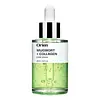
This pore-care serum is formulated around Niacinamide and Collagen Extract to refine the look of pores and calm redness.
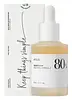
This calming ampoule is formulated around Houttuynia Cordata Extract and Panthenol to calm redness and hydrate skin.

What's inside
What's inside
 Key Ingredients
Benefits
Concerns
No concerns
Ingredients Side-by-side
Water
Skin ConditioningButylene Glycol
Humectant

Glycerin
Humectant
Dipropylene Glycol
HumectantNiacinamide
Smoothing









Xylitol
Humectant
1,2-Hexanediol
Skin Conditioning
Hydroxyacetophenone
Antioxidant
Spirulina Maxima Extract
SmoothingCarbomer
Emulsion StabilisingTromethamine
BufferingPolyglyceryl-10 Laurate
Skin Conditioning

Xanthan Gum
EmulsifyingEthylhexylglycerin
Skin ConditioningAllantoin
Skin Conditioning
Disodium EDTA
ChelatingButyrospermum Parkii Butter
Skin Conditioning


Caprylic/Capric Triglyceride
Masking
Olea Europaea Fruit Oil
Masking

Melia Azadirachta Leaf Extract
Skin ConditioningHydrogenated Lecithin
Emulsifying
Squalane
Emollient
Melia Azadirachta Flower Extract
Skin ConditioningCentella Asiatica Extract
Cleansing
Artemisia Capillaris Extract
Collagen Extract
Skin Conditioning
Ceramide NP
Skin Conditioning
Cholesterol
Emollient
Phytosphingosine
Skin Conditioning
Oenothera Biennis Flower Extract
AstringentPinus Palustris Leaf Extract
TonicPueraria Lobata Root Extract
HumectantUlmus Davidiana Root Extract
Skin Conditioning
Water, Butylene Glycol, Glycerin, Dipropylene Glycol, Niacinamide, Xylitol, 1,2-Hexanediol, Hydroxyacetophenone, Spirulina Maxima Extract, Carbomer, Tromethamine, Polyglyceryl-10 Laurate, Xanthan Gum, Ethylhexylglycerin, Allantoin, Disodium EDTA, Butyrospermum Parkii Butter, Caprylic/Capric Triglyceride, Olea Europaea Fruit Oil, Melia Azadirachta Leaf Extract, Hydrogenated Lecithin, Squalane, Melia Azadirachta Flower Extract, Centella Asiatica Extract, Artemisia Capillaris Extract, Collagen Extract, Ceramide NP, Cholesterol, Phytosphingosine, Oenothera Biennis Flower Extract, Pinus Palustris Leaf Extract, Pueraria Lobata Root Extract, Ulmus Davidiana Root Extract

Reviews
Ingredients Explained
These ingredients are found in both products.
Ingredients higher up in an ingredient list are typically present in a larger amount.
1,2-Hexanediol is a synthetic liquid and another multi-functional powerhouse.
It is a:
- Humectant, drawing moisture into the skin
- Emollient, helping to soften skin
- Solvent, dispersing and stabilizing formulas
- Preservative booster, enhancing the antimicrobial activity of other preservatives
Butylene Glycol (or BG) is used within cosmetic products for a few different reasons:
Overall, Butylene Glycol is a safe and well-rounded ingredient that works well with other ingredients.
Though this ingredient works well with most skin types, some people with sensitive skin may experience a reaction such as allergic rashes, closed comedones, or itchiness.
Learn more about Butylene GlycolCarbomer is a synthetic thickening and gelling agent. It's basically the ingredient that gives a lot of serums, gels, creams, and sunscreens their smooth, non-sticky texture.
Although legally permitted at very high levels, carbomers are normally used at concentrations below 1%.
It also needs to be neutralized to actually thicken, and because it is a large molecule, it doesn't really penetrate the skin barrier.
Allergy-wise, the risk is very low. Clinical studies show carbomers have low potential for skin irritation/sensitization even at concentrations up to 100%.
A 2024 UK study patch-tested 1,302 patients and found true allergy to the parent group of carbomer to be rare with no confirmed relevant reactions.
Learn more about CarbomerEthylhexylglycerin is created from glycerin. It is a multitasker ingredient that:
The CIR Expert Panel found minimal skin absorption or sensitization of any kind in a safety assessment. Though this ingredient is considered well-tolerated, a small number of cases of allergic dermatitis have been published since 2002. Just be sure to patch test if you are unsure.
Industry-reported use ranges from 8% in rinse-off products and 2% in leave-on formulations.
Learn more about EthylhexylglycerinGlycerin (or glycerol) is a compound naturally found in your skin. It's a powerhouse humectant that pulls water into the stratum corneum.
Topically, glycerin does several things at once:
Your skin makes glycerin on its own (mostly from sebaceous oil breakdown) and shuttles it to your outermost layer of skin, or your epidermis, via aquaporin-3.
Aquaporin-3 is a transporter that is essential for normal skin hydration, elasticity, and repair. Interestingly, mice lacking in AQP3 have dry and less elastic skin that can be fully corrected with glycerin.
This ingredient is non-irritating, plays well with almost every ingredient, and works across all skin types. Typical use is anywhere between 3-10% but can go up to 79% in some leave-on products.
Just know very high concentrations (>40%) can feel tacky in low humidity.
Glycerin is the name for this ingredient in American English. British English uses Glycerol/Glycerine.
Learn more about Glycerin

