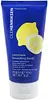
This smoothing exfoliator is formulated around Glycolic Acid and Sucrose to refine skin texture and brighten dull-looking skin.


What's inside
What's inside
 Key Ingredients
Benefits
Concerns
Ingredients Side-by-side
Water
Skin ConditioningGlycerin
Humectant


Glycolic Acid
Buffering










Sucrose
Humectant
Hydrated Silica
Abrasive
Polyglyceryl-10 Dipalmitate
Emollient
Propanediol
Solvent
Lactic Acid
Buffering
Sodium Cocoyl Isethionate
Cleansing
Polyacrylate Crosspolymer-6
Emulsion StabilisingSodium Hydroxide
BufferingSodium Lactate
Buffering
Acrylamide/Sodium Acryloyldimethyltaurate Copolymer
Emulsion StabilisingCitrus Limon Peel Powder
AbsorbentCitrus Limon Fruit Extract
Masking
Ocimum Sanctum Leaf Extract
Skin ConditioningChamomilla Recutita Flower Extract
Masking

Glycyrrhiza Glabra Root Extract
Bleaching
Saccharum Officinarum Extract
MoisturisingCitrus Aurantifolia Peel Extract
Cleansing
Santalum Album Extract
CleansingCitrus Limon Peel Oil
Masking



Citrus Aurantium Bergamia Peel Oil
Perfuming
Leuconostoc/Radish Root Ferment Filtrate
Antimicrobial
Coconut Acid
Cleansing
Sodium Riboflavin Phosphate
Skin ConditioningDimethylhydroxy Furanone
MaskingIsohexadecane
EmollientPolysorbate 80
Emulsifying
Sodium Isethionate
CleansingSorbitan Oleate
Emulsifying
Triethyl Citrate
Masking
Vanillin
Masking
Pentaerythrityl Tetra-Di-T-Butyl Hydroxyhydrocinnamate
Antioxidant
Caprylyl Glycol
Emollient
Phenoxyethanol
Preservative
Limonene
Perfuming
Linalool
Perfuming
Citral
Perfuming
Water, Glycerin, Glycolic Acid, Sucrose, Hydrated Silica, Polyglyceryl-10 Dipalmitate, Propanediol, Lactic Acid, Sodium Cocoyl Isethionate, Polyacrylate Crosspolymer-6, Sodium Hydroxide, Sodium Lactate, Acrylamide/Sodium Acryloyldimethyltaurate Copolymer, Citrus Limon Peel Powder, Citrus Limon Fruit Extract, Ocimum Sanctum Leaf Extract, Chamomilla Recutita Flower Extract, Glycyrrhiza Glabra Root Extract, Saccharum Officinarum Extract, Citrus Aurantifolia Peel Extract, Santalum Album Extract, Citrus Limon Peel Oil, Citrus Aurantium Bergamia Peel Oil, Leuconostoc/Radish Root Ferment Filtrate, Coconut Acid, Sodium Riboflavin Phosphate, Dimethylhydroxy Furanone, Isohexadecane, Polysorbate 80, Sodium Isethionate, Sorbitan Oleate, Triethyl Citrate, Vanillin, Pentaerythrityl Tetra-Di-T-Butyl Hydroxyhydrocinnamate, Caprylyl Glycol, Phenoxyethanol, Limonene, Linalool, Citral
Sucrose
Humectant
Glycine Soja Oil
Emollient
Helianthus Annuus Seed Oil
Emollient
Maris Sal
Skin ConditioningCocos Nucifera Oil
Masking
Butyrospermum Parkii Butter
Skin Conditioning
Polyglyceryl-3 Caprate
EmulsifyingSilica
Abrasive
Caprylic/Capric Triglyceride
Masking
Trihydroxystearin
Skin Conditioning
Styrene/Butadiene Copolymer
Persea Gratissima Fruit Powder
Abrasive
Lactobacillus/Punica Granatum Fruit Ferment Extract
Antioxidant
Papain
Skin Conditioning
Bromelain
Skin Conditioning
Quartz
Abrasive
Tocopherol
Antioxidant
Citric Acid
Buffering
Pumice
Abrasive
Caprylyl Glycol
Emollient
Maltodextrin
Absorbent
Phenoxyethanol
Preservative
Pentaerythrityl Tetra-Di-T-Butyl Hydroxyhydrocinnamate
Antioxidant
Parfum
Masking
Hydroxycitronellal
Perfuming
Limonene
Perfuming
Sucrose, Glycine Soja Oil, Helianthus Annuus Seed Oil, Maris Sal, Cocos Nucifera Oil, Butyrospermum Parkii Butter, Polyglyceryl-3 Caprate, Silica, Caprylic/Capric Triglyceride, Trihydroxystearin, Styrene/Butadiene Copolymer, Persea Gratissima Fruit Powder, Lactobacillus/Punica Granatum Fruit Ferment Extract, Papain, Bromelain, Quartz, Tocopherol, Citric Acid, Pumice, Caprylyl Glycol, Maltodextrin, Phenoxyethanol, Pentaerythrityl Tetra-Di-T-Butyl Hydroxyhydrocinnamate, Parfum, Hydroxycitronellal, Limonene
Reviews
Ingredients Explained
These ingredients are found in both products.
Ingredients higher up in an ingredient list are typically present in a larger amount.
Caprylyl Glycol is a humectant, skin conditioner, emollient, and preservative booster derived from either caprylic acid or synthetically created.
Typical use levels vary from 0.3-1% as a preservative booster and go up to 2% to condition skin.
Because it is not a free-fatty acid, this ingredient is fungal acne safe (there's nothing for Malassezia to feed on).
Learn more about Caprylyl GlycolLimonene is the compound that gives citrus peel its smell.
In skincare, it shows up as a standalone fragrance ingredient or as a natural compound of citrus and other essential oils.
You'll typically see this ingredient used in very small amounts; anything above 0.001% in a leave-on product or 0.01% in a rinse-off has to be named on the label in the EU. The citrus oils that carry it sit around 0.5-1% in a finished formula.
Fresh limonene is a weak allergen; the real issue is that it slowly reacts with air and then breaks down from oxidation to create hydroperoxides (which are strong sensitizers). This is why suppliers are required to keep the peroxide value below 20 mmol.
Positive reactions in people being investigated for eczema vary:
It's worth skipping if you have a known fragrance allergy or a compromised barrier, but the risk is low for most people.
Older or long-opened products are also more likely to bother you than fresh ones due to oxidation.
Learn more about LimonenePentaerythrityl Tetra-Di-T-Butyl Hydroxyhydrocinnamate (long name, huh?) is a synthetic antioxidant.
It is used to help stabilize other antioxidants or prevent the color from changing in a product.
As an antioxidant, it helps fight free-radical molecules. Free-radical molecules are capable of damaging our cells and other genetic material. Thus, antioxidants may reduce the signs of aging.
This ingredient is oil-soluble.
Learn more about Pentaerythrityl Tetra-Di-T-Butyl HydroxyhydrocinnamatePhenoxyethanol is one of the most widely used preservatives in skincare (and for good reason!).
It has a large spectrum of antimicrobial activity and especially effective bacteria, yeast, and mold while only having a weak effect on your skin's natural microbiome.
On a cellular level, it disrupts the cell membranes of microbes by poking holes that make the cell leak. This shuts down the chemical reactions the microbe needs to make energy so it can no longer survive.
Another perk of this ingredient is that it stays functional across a wide pH range (3-10).
You'll often see it paired with boosters like Ethylhexylglycerin; one study showed that a 1:9 ratio of Ethylhexylglycerin to Phenoxyethanol damages bacterial membranes as effectively as doubling the Phenoxyethanol concentration on its own.
Typical use concentrations range from 0.3-1% depending on the formula, and this ingredient is capped at 1% int the EU.
Safety-wise, the fear mongering does not hold up to the evidence. The EU's Scientific Committee on Consumer Safety and FDA consider it safe as a preservative at up to 1%, including for children of all ages.
Adverse systemic effects only showed up in animal studies at exposures roughly 200x higher than what people get from cosmetics. And despite its very widespread use, this ingredient is a rare sensitizer and allergic reactions are uncommon.
Learn more about PhenoxyethanolSucrose is a natural sugar found in fruits, vegetables, and nuts. It is the main constituent of white sugar.
In skincare, sucrose is a humectant and can be a mild exfoliant.
Sucrose is hydrophilic, meaning it attracts water. This makes it an effective humectant and helps hydrate the skin.
Studies show sugars may worsen acne-prone skin due to it disrupting the skin's natural biome. We recommend speaking with a professional if you have any concerns.
In some products such as body scrubs, sucrose is used as an gentle exfoliant.
The term 'sucrose' comes from the french word for sugar, 'sucre'.
Learn more about Sucrose

