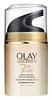
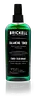
Olay Total Effects 7 In One Face Moisturizer SPF 15 Fragrance Free Versus Brickell Men's Products Balancing Toner
This anti-aging moisturizer is formulated around Niacinamide and Panthenol to soften the look of wrinkles and brighten dull-looking skin.
This oil-control toner is formulated around Aloe Barbadensis Leaf Juice and Salix Alba Bark Extract to balance excess oil and calm redness.

What's inside
What's inside
 Key Ingredients
Benefits
Concerns
Ingredients Side-by-side
Butyl Methoxydibenzoylmethane 3%
UV Absorber
Homosalate 4%
Skin Conditioning
Ethylhexyl Salicylate 4.5%
UV Absorber
Octocrylene 2.6%
UV Absorber

Water
Skin ConditioningGlycerin
Humectant


Niacinamide
Smoothing









Dimethicone
Emollient
Isopropyl Isostearate
Emollient



Panthenol
Skin Conditioning
Tocopheryl Acetate
Antioxidant

Sodium Ascorbyl Phosphate
Antioxidant
Retinyl Propionate
Skin Conditioning
Camellia Sinensis Leaf Extract
Antimicrobial
BHT
Antioxidant
Tapioca Starch
Dimethiconol
Emollient
Cetearyl Glucoside
Emulsifying
Cetearyl Alcohol
Emollient

Stearic Acid
Cleansing
Palmitic Acid
Emollient
Stearyl Alcohol
Emollient
Cetyl Alcohol
Emollient
Behenyl Alcohol
Emollient
Disodium EDTA
ChelatingHydroxyethyl Acrylate/Sodium Acryloyldimethyl Taurate Copolymer
Emulsion StabilisingCarbomer
Emulsion StabilisingSodium Hydroxide
BufferingPEG-100 Stearate
Surfactant
Titanium Dioxide
Cosmetic Colorant
Polymethylsilsesquioxane
Benzyl Alcohol
Perfuming




Methylparaben
Preservative
Ethylparaben
Preservative
Propylparaben
Preservative
Iodopropynyl Butylcarbamate
Preservative
Butyl Methoxydibenzoylmethane 3%, Homosalate 4%, Ethylhexyl Salicylate 4.5%, Octocrylene 2.6%, Water, Glycerin, Niacinamide, Dimethicone, Isopropyl Isostearate, Panthenol, Tocopheryl Acetate, Sodium Ascorbyl Phosphate, Retinyl Propionate, Camellia Sinensis Leaf Extract, BHT, Tapioca Starch, Dimethiconol, Cetearyl Glucoside, Cetearyl Alcohol, Stearic Acid, Palmitic Acid, Stearyl Alcohol, Cetyl Alcohol, Behenyl Alcohol, Disodium EDTA, Hydroxyethyl Acrylate/Sodium Acryloyldimethyl Taurate Copolymer, Carbomer, Sodium Hydroxide, PEG-100 Stearate, Titanium Dioxide, Polymethylsilsesquioxane, Benzyl Alcohol, Methylparaben, Ethylparaben, Propylparaben, Iodopropynyl Butylcarbamate
Aloe Barbadensis Leaf Juice
Skin Conditioning
Cucumis Sativus Fruit Water
Skin ConditioningSalix Alba Bark Extract
Astringent
Glycerin
Humectant
Hamamelis Virginiana Water
Astringent
Benzyl Alcohol
Perfuming
Ricinus Communis Seed Oil
Masking
Mentha Piperita Oil
Masking
Melia Azadirachta Flower Extract
Skin ConditioningSolanum Melongena Fruit Extract
Skin ConditioningCoccinia Indica Fruit Extract
Skin Conditioning
Lawsonia Inermis Flower Extract
Ocimum Basilicum Flower/Leaf Extract
TonicCurcuma Longa Root Extract
Antioxidant
Pearl Powder
Aloe Barbadensis Leaf Juice, Cucumis Sativus Fruit Water, Salix Alba Bark Extract, Glycerin, Hamamelis Virginiana Water, Benzyl Alcohol, Ricinus Communis Seed Oil, Mentha Piperita Oil, Melia Azadirachta Flower Extract, Solanum Melongena Fruit Extract, Coccinia Indica Fruit Extract, Lawsonia Inermis Flower Extract, Ocimum Basilicum Flower/Leaf Extract, Curcuma Longa Root Extract, Pearl Powder
Ingredients Explained
These ingredients are found in both products.
Ingredients higher up in an ingredient list are typically present in a larger amount.
Benzyl Alcohol is an aromatic alcohol with several roles: it's a preservative, solvent, and mild fragrance component with a floral scent.
This ingredient has been deemed safe for use in cosmetic formulations at concentrations up to 5%, and up to 10% in hair dyes. You'll typically see 0.5-2% in most rinse-off or leave-on products.
As a preservative, it works by disrupting the membrane of microbial proteins. This helps keep bacteria and fungi from growing in your products.
The sensitization picture is actually quite assuring as well:of nearly 71,000 patients patch tested with benzyl alcohol, only 0.21% showed a positive reaction with most of them being weakly positive.
This led researchers to conclude that benzyl alcohol cannot be regarded as a significant contact allergen.
It is worth noting this ingredient is classified as one of the EU's regulated fragrance allergens and restricted to 1% in finished products.
Labels must also declare it in concentrations above 0.001% in leave-on products and 0.01% in rinse-off products.
At concentrations around 5%, localized redness and itching can appear as a direct irritant response and not as a true allergic reaction.
Learn more about Benzyl AlcoholGlycerin (or glycerol) is a compound naturally found in your skin. It's a powerhouse humectant that pulls water into the stratum corneum.
Topically, glycerin does several things at once:
Your skin makes glycerin on its own (mostly from sebaceous oil breakdown) and shuttles it to your outermost layer of skin, or your epidermis, via aquaporin-3.
Aquaporin-3 is a transporter that is essential for normal skin hydration, elasticity, and repair. Interestingly, mice lacking in AQP3 have dry and less elastic skin that can be fully corrected with glycerin.
This ingredient is non-irritating, plays well with almost every ingredient, and works across all skin types. Typical use is anywhere between 3-10% but can go up to 79% in some leave-on products.
Just know very high concentrations (>40%) can feel tacky in low humidity.
Glycerin is the name for this ingredient in American English. British English uses Glycerol/Glycerine.
Learn more about Glycerin

