

What's inside
What's inside
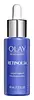 Key Ingredients
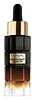
Benefits
Concerns
Ingredients Side-by-side
Water
Skin ConditioningDimethicone
Emollient

Glycerin
Humectant

Retinol
Skin Conditioning








Retinyl Propionate
Skin Conditioning
Niacinamide
Smoothing


Palmitoyl Pentapeptide-4
Skin Conditioning
Dimethiconol
Emollient
C13-14 Isoparaffin
Emollient
Laureth-4
Emulsifying
Polysorbate 20
Emulsifying
Laureth-7
EmulsifyingDisodium EDTA
Dimethicone Crosspolymer
Emulsion Stabilising
Polyacrylamide
Titanium Dioxide
Cosmetic Colorant

Mica
Cosmetic ColorantDMDM Hydantoin
Preservative


Iodopropynyl Butylcarbamate
Preservative
Water
Skin ConditioningDimethicone
Emollient
Glycerin
Humectant
Alcohol Denat.
Antimicrobial

PEG-8
HumectantDipropylene Glycol
HumectantSaccharomyces/Xylinum/Black Tea Ferment
Skin Conditioning
Propylene Glycol
Humectant
Polysilicone-11
Bis-PEG-18 Methyl Ether Dimethyl Silane
EmollientTuber Aestivum Extract
Skin ProtectingTuber Melanosporum Extract
HumectantAdenosine
Skin Conditioning
Capryloyl Salicylic Acid
Exfoliating
Neohesperidin Dihydrochalcone
Masking
Sodium Hyaluronate
Humectant
Trisodium Ethylenediamine Disuccinate
Tocopherol
Antioxidant

Octyldodecanol
Emollient
Squalane
Emollient
Ammonium Polyacryloyldimethyl Taurate
Emulsion StabilisingBiosaccharide Gum-4
Skin Conditioning
Biotin
AntiseborrhoeicCaprylyl Glycol
Emollient
Citric Acid
Buffering
Hydroxyethylcellulose
Emulsion StabilisingPEG-20 Methyl Glucose Sesquistearate
Emulsifying
Sodium Citrate
BufferingXanthan Gum
EmulsifyingBis-PEG/PPG-16/16 PEG/PPG-16/16 Dimethicone
Emollient
Caprylic/Capric Triglyceride
Masking
Benzyl Alcohol
Perfuming
Hexyl Cinnamal
Perfuming
Hydroxycitronellal
Perfuming
CI 14700
Cosmetic ColorantCI 19140
Cosmetic ColorantPentaerythrityl Tetra-Di-T-Butyl Hydroxyhydrocinnamate
Antioxidant
Phenoxyethanol
Preservative
Potassium Sorbate
Preservative
Sodium Benzoate
Masking
Sodium Salicylate
Preservative
Parfum
Masking
Water, Dimethicone, Glycerin, Alcohol Denat., PEG-8, Dipropylene Glycol, Saccharomyces/Xylinum/Black Tea Ferment, Propylene Glycol, Polysilicone-11, Bis-PEG-18 Methyl Ether Dimethyl Silane, Tuber Aestivum Extract, Tuber Melanosporum Extract, Adenosine, Capryloyl Salicylic Acid, Neohesperidin Dihydrochalcone, Sodium Hyaluronate, Trisodium Ethylenediamine Disuccinate, Tocopherol, Octyldodecanol, Squalane, Ammonium Polyacryloyldimethyl Taurate, Biosaccharide Gum-4, Biotin, Caprylyl Glycol, Citric Acid, Hydroxyethylcellulose, PEG-20 Methyl Glucose Sesquistearate, Sodium Citrate, Xanthan Gum, Bis-PEG/PPG-16/16 PEG/PPG-16/16 Dimethicone, Caprylic/Capric Triglyceride, Benzyl Alcohol, Hexyl Cinnamal, Hydroxycitronellal, CI 14700, CI 19140, Pentaerythrityl Tetra-Di-T-Butyl Hydroxyhydrocinnamate, Phenoxyethanol, Potassium Sorbate, Sodium Benzoate, Sodium Salicylate, Parfum
Reviews
Ingredients Explained
These ingredients are found in both products.
Ingredients higher up in an ingredient list are typically present in a larger amount.
Dimethicone is a type of synthetic silicone created from natural materials such as quartz. It is also known as polydimethylsiloxane.
What it does:
Dimethicone comes in different viscosities:
Depending on the viscosity, dimethicone has different properties.
Ingredients lists don't always show which type is used, so we recommend reaching out to the brand if you have questions about the viscosity.
This ingredient is unlikely to cause irritation because it does not get absorbed into skin. However, people with silicone allergies should be careful about using this ingredient.
Note: Dimethicone may contribute to pilling. This is because it is not oil or water soluble, so pilling may occur when layered with products. When mixed with heavy oils in a formula, the outcome is also quite greasy.
Learn more about DimethiconeGlycerin (or glycerol) is a compound naturally found in your skin. It's a powerhouse humectant that pulls water into the stratum corneum.
Topically, glycerin does several things at once:
Your skin makes glycerin on its own (mostly from sebaceous oil breakdown) and shuttles it to your outermost layer of skin, or your epidermis, via aquaporin-3.
Aquaporin-3 is a transporter that is essential for normal skin hydration, elasticity, and repair. Interestingly, mice lacking in AQP3 have dry and less elastic skin that can be fully corrected with glycerin.
This ingredient is non-irritating, plays well with almost every ingredient, and works across all skin types. Typical use is anywhere between 3-10% but can go up to 79% in some leave-on products.
Just know very high concentrations (>40%) can feel tacky in low humidity.
Glycerin is the name for this ingredient in American English. British English uses Glycerol/Glycerine.
Learn more about GlycerinWater. It's the most common cosmetic ingredient of all. You'll usually see it at the top of ingredient lists, meaning that it makes up the largest part of the product.
So why is it so popular? Water most often acts as a solvent - this means that it helps dissolve other ingredients into the formulation.
You'll also recognize water as that liquid we all need to stay alive. If you see this, drink a glass of water. Remember to stay hydrated!
Learn more about Water
