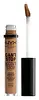
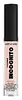
NYX Cosmetics Can't Stop Won't Stop Contour Concealer Versus Wet n Wild Megalast Incognito Concealer

What's inside
What's inside
 Key Ingredients
Benefits
Concerns
No concerns
Ingredients Side-by-side
Water
Skin ConditioningCyclopentasiloxane
Emollient
Methyl Methacrylate Crosspolymer

Cyclohexasiloxane
Emollient
Butylene Glycol
Humectant

PEG-10 Dimethicone
Skin Conditioning
Trimethylsiloxysilicate
Emollient
Polyglyceryl-3 Polydimethylsiloxyethyl Dimethicone
Skin Conditioning
Silica Dimethyl Silylate
EmollientSodium Chloride
MaskingTriethoxycaprylylsilane
Dimethicone
Emollient
Dimethicone/Vinyl Dimethicone Crosspolymer
Skin Conditioning
Aluminum Hydroxide
EmollientDisodium EDTA
Propylene Carbonate
SolventDisteardimonium Hectorite
StabilisingEthylhexylglycerin
Skin ConditioningCetyl PEG/PPG-10/1 Dimethicone
Emulsifying
Tocopherol
Antioxidant





Pentaerythrityl Tetra-Di-T-Butyl Hydroxyhydrocinnamate
Antioxidant
Phenoxyethanol
Preservative
Iron Oxides
CI 77891
Cosmetic ColorantWater, Cyclopentasiloxane, Methyl Methacrylate Crosspolymer, Cyclohexasiloxane, Butylene Glycol, PEG-10 Dimethicone, Trimethylsiloxysilicate, Polyglyceryl-3 Polydimethylsiloxyethyl Dimethicone, Silica Dimethyl Silylate, Sodium Chloride, Triethoxycaprylylsilane, Dimethicone, Dimethicone/Vinyl Dimethicone Crosspolymer, Aluminum Hydroxide, Disodium EDTA, Propylene Carbonate, Disteardimonium Hectorite, Ethylhexylglycerin, Cetyl PEG/PPG-10/1 Dimethicone, Tocopherol, Pentaerythrityl Tetra-Di-T-Butyl Hydroxyhydrocinnamate, Phenoxyethanol, Iron Oxides, CI 77891
Water
Skin ConditioningCyclopentasiloxane
Emollient
Isopentyldiol
Humectant
Glycerin
Humectant
Cetyl PEG/PPG-10/1 Dimethicone
Emulsifying
Trimethylsiloxysilicate
Emollient
Talc
Abrasive
Cetyl Ethylhexanoate
EmollientTriethylhexanoin
MaskingPentylene Glycol
Skin Conditioning
PEG-10 Dimethicone
Skin Conditioning
Diisostearyl Malate
EmollientMagnesium Sulfate
Phenoxyethanol
Preservative
Disteardimonium Hectorite
StabilisingTriethoxycaprylylsilane
Aluminum Hydroxide
EmollientParfum
Masking



Ethylhexylglycerin
Skin ConditioningDisodium EDTA
Niacinamide
Smoothing




Butylene Glycol
Humectant
Mangifera Indica Seed Butter
Skin Conditioning
Butyrospermum Parkii Butter
Skin Conditioning

Tocopherol
Antioxidant
Vitis Vinifera Seed Extract
Antimicrobial
Resveratrol
Antioxidant
Alcohol
Antimicrobial


Glycyrrhiza Glabra Root Extract
Bleaching
Water, Cyclopentasiloxane, Isopentyldiol, Glycerin, Cetyl PEG/PPG-10/1 Dimethicone, Trimethylsiloxysilicate, Talc, Cetyl Ethylhexanoate, Triethylhexanoin, Pentylene Glycol, PEG-10 Dimethicone, Diisostearyl Malate, Magnesium Sulfate, Phenoxyethanol, Disteardimonium Hectorite, Triethoxycaprylylsilane, Aluminum Hydroxide, Parfum, Ethylhexylglycerin, Disodium EDTA, Niacinamide, Butylene Glycol, Mangifera Indica Seed Butter, Butyrospermum Parkii Butter, Tocopherol, Vitis Vinifera Seed Extract, Resveratrol, Alcohol, Glycyrrhiza Glabra Root Extract
Reviews
Ingredients Explained
These ingredients are found in both products.
Ingredients higher up in an ingredient list are typically present in a larger amount.
Aluminum Hydroxide is a form of aluminum. It can be naturally found in nature as the mineral gibbsite. In cosmetics, Aluminum Hydroxide is used as a colorant, pH adjuster, and absorbent.
As a colorant, Aluminum Hydroxide may add opacity, or reduce the transparency. Aluminum hydroxide is contains both basic and acidic properties.
According to manufacturers, this ingredient is an emollient and humectant. This means it helps hydrate the skin.
In medicine, this ingredient is used to help relieve heartburn and help heal ulcers.
There is currently no credible scientific evidence linking aluminum hydroxide in cosmetics to increased cancer risk.
Major health organizations allow the use of aluminum hydroxide in personal care products and have not flagged it as a carcinogenic risk at typical usage levels.
Learn more about Aluminum HydroxideButylene Glycol (or BG) is used within cosmetic products for a few different reasons:
Overall, Butylene Glycol is a safe and well-rounded ingredient that works well with other ingredients.
Though this ingredient works well with most skin types, some people with sensitive skin may experience a reaction such as allergic rashes, closed comedones, or itchiness.
Learn more about Butylene GlycolThis ingredient is a silicone-based emulsifer that helps the water and oil phases play nicely together. It's so effective because one end of the molecule loves oil and the other one loves water.
Besides holding formulas together, it also leaves a silky and lightweight feel on skin without the greasiness. A manufacturer also claims it can help with the controlled release of active ingredients.
The CIR Expert Panel found this ingredient to not be sensitizing in concentrations up to 15% in human maximazation testing and dimethicone-based compounds were not comedogenic.
It has a high molecular weight well above 1,000 g/mol which means it limits meaningful skin penetration.
A 2019 study specifically tested this ingredient and found no observable Malassezia growth in its presence.
Learn more about Cetyl PEG/PPG-10/1 DimethiconeCyclopentasiloxane, or D5, is a silicone used to improve texture of products and trap moisture.
D5 is considered lightweight and volatile. Volatile means it evaporates quickly after application. Once evaporated, D5 leaves a thin barrier that helps keep skin hydrated.
It is also an emollient. Emollients help soften the skin and prevent water loss. Silicones create a silky texture in products. D5 helps other ingredients become more spreadable.
Studies show D5 is safe to use in skincare products. We recommend speaking with a skincare professional if you have concerns.
Learn more about CyclopentasiloxaneDisodium EDTA is a chelating agent. It grabs onto and deactivates metal ions that sneak into your products from water, packaging, or air.
This ingredient mainly works behind the scenes and helps with:
On top of that, this ingredient can counteract the effects of hard water by binding to the minerals in it.
One thing worth knowing is that Disodium EDTA has been shown to be a mild penetration enhancer. It can help other ingredients absorb into skin more effectively which can be a double-edged sword (great for actives, but can also make the active too strong if you have sensitive skin).
Clinical patch testing showed no significant skin irritation at typical use concentrations and minimal dermal absorption.
You'll most likely see this ingredient near the end of an ingredient list. It's typically found in concentrations less than 1%.
Learn more about Disodium EDTADisteardimonium Hectorite comes from the clay mineral named hectorite. It is used to add thickness to a product.
It can also help stabilize a product by helping to disperse other ingredients.
Hectorite is a rare, white clay mineral.
Learn more about Disteardimonium HectoriteEthylhexylglycerin is created from glycerin. It is a multitasker ingredient that:
The CIR Expert Panel found minimal skin absorption or sensitization of any kind in a safety assessment. Though this ingredient is considered well-tolerated, a small number of cases of allergic dermatitis have been published since 2002. Just be sure to patch test if you are unsure.
Industry-reported use ranges from 8% in rinse-off products and 2% in leave-on formulations.
Learn more about EthylhexylglycerinPeg-10 Dimethicone is silicone with conditioner and emulsifier properties. It mostly acts as an emollient in skincare and and humectant in haircare.
According to the manufacturer, acidic formulations decrease the stability of this ingredient. It works best in neutral or near neutral formulations.
Phenoxyethanol is a preservative that has germicide, antimicrobial, and aromatic properties. Studies show that phenoxyethanol can prevent microbial growth. By itself, it has a scent that is similar to that of a rose.
It's often used in formulations along with Caprylyl Glycol to preserve the shelf life of products.
Tocopherol is a fat-soluble antioxidant known as Vitamin E.
You'll find this ingredient in the vast majority of skincare (for good reason). It works to neutralize free radicals, or unstable molecules generated by UV exposure, pollution, and other environmental stressors, before they can cause oxidative damage to your skin cells.
Topically applied tocopherol has been shown to protect against UV damage by ramping up the skin's own natural defense enzymes.
It also acts as a skin conditioning agent; some studies show that regular topical use can improve the skin's water-binding capacity over 2-4 weeks.
This ingredient is especially loved for being a team player. When combined with Vitamin C, the photoprotective effect of both ingredients roughly doubles and the combo also helps reduce UV-induced DNA damage.
This ingredient has some brightening potential but it's more of a prevention ingredient than spot-fader. Cell studies show it can slow down melanin production but it's worth noting that it's not the most powerful brightener out there.
In formulations, it also serves as a stabilizer that helps protect other oxidation-prone ingredients from degrading.
Concentrations usually range from 0.1-1% in most leave-on products.
Learn more about TocopherolTriethoxycaprylylsilane is a silicon-based surface modifier that makes sunscreens feel silky and makeup stay put.
Its main job is to coat mineral particles like titanium dioxide, zinc oxide, and color pigments in a thin, oily layer so they spread smoothly, don't clump, and stick to skin better.
This ingredient is typically used at low levels (up to 2.5% in eyeshadow and 1% in lipstick).
Learn more about TriethoxycaprylylsilaneThis silicone is an emollient. Emollients create a thin film on the skin to prevent moisture from escaping.
It is not soluble in water and helps increase water-resistance in products.
According to a manufacturer, it can blend seamlessly with silicone oils, such as Cyclopentasiloxane.
Learn more about TrimethylsiloxysilicateWater. It's the most common cosmetic ingredient of all. You'll usually see it at the top of ingredient lists, meaning that it makes up the largest part of the product.
So why is it so popular? Water most often acts as a solvent - this means that it helps dissolve other ingredients into the formulation.
You'll also recognize water as that liquid we all need to stay alive. If you see this, drink a glass of water. Remember to stay hydrated!
Learn more about Water
