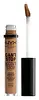
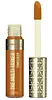
NYX Cosmetics Can't Stop Won't Stop Contour Concealer Versus Rimmel London The Multi-Tasker Concealer


What's inside
What's inside
 Key Ingredients
Benefits
Concerns
No concerns
Ingredients Side-by-side
Water
Skin ConditioningCyclopentasiloxane
Emollient
Methyl Methacrylate Crosspolymer

Cyclohexasiloxane
Emollient
Butylene Glycol
Humectant

PEG-10 Dimethicone
Skin Conditioning
Trimethylsiloxysilicate
Emollient
Polyglyceryl-3 Polydimethylsiloxyethyl Dimethicone
Skin Conditioning
Silica Dimethyl Silylate
EmollientSodium Chloride
MaskingTriethoxycaprylylsilane
Dimethicone
Emollient
Dimethicone/Vinyl Dimethicone Crosspolymer
Skin Conditioning
Aluminum Hydroxide
EmollientDisodium EDTA
Propylene Carbonate
SolventDisteardimonium Hectorite
StabilisingEthylhexylglycerin
Skin ConditioningCetyl PEG/PPG-10/1 Dimethicone
Emulsifying
Tocopherol
Antioxidant





Pentaerythrityl Tetra-Di-T-Butyl Hydroxyhydrocinnamate
Antioxidant
Phenoxyethanol
Preservative
Iron Oxides
CI 77891
Cosmetic ColorantWater, Cyclopentasiloxane, Methyl Methacrylate Crosspolymer, Cyclohexasiloxane, Butylene Glycol, PEG-10 Dimethicone, Trimethylsiloxysilicate, Polyglyceryl-3 Polydimethylsiloxyethyl Dimethicone, Silica Dimethyl Silylate, Sodium Chloride, Triethoxycaprylylsilane, Dimethicone, Dimethicone/Vinyl Dimethicone Crosspolymer, Aluminum Hydroxide, Disodium EDTA, Propylene Carbonate, Disteardimonium Hectorite, Ethylhexylglycerin, Cetyl PEG/PPG-10/1 Dimethicone, Tocopherol, Pentaerythrityl Tetra-Di-T-Butyl Hydroxyhydrocinnamate, Phenoxyethanol, Iron Oxides, CI 77891
Water
Skin ConditioningIsododecane
EmollientCyclopentasiloxane
Emollient
Trimethylsiloxysilicate
Emollient
Butylene Glycol
Humectant
Cetyl PEG/PPG-10/1 Dimethicone
Emulsifying
Talc
Abrasive
Cetearyl Ethylhexanoate
Emollient
Acrylates Crosspolymer
AbsorbentDimethicone/Vinyl Dimethicone Crosspolymer
Skin Conditioning
Magnesium Sulfate
Bis-PEG/PPG-14/14 Dimethicone
Emollient
Boron Nitride
Absorbent
Ammonium Acrylates Copolymer
Tribehenin
Emollient
Isopropyl Titanium Triisostearate
Emollient
Disteardimonium Hectorite
StabilisingLecithin
Emollient
Laureth-7
EmulsifyingAlumina
Abrasive
Phenoxyethanol
Preservative
Trihydroxystearin
Skin Conditioning
Chlorphenesin
Antimicrobial
Propylene Carbonate
SolventXanthan Gum
EmulsifyingAlcohol Denat.
Antimicrobial




Glycerin
Humectant
Tocopheryl Acetate
Antioxidant
Disodium EDTA
Disodium Deceth-6 Sulfosuccinate
CleansingSilica
Abrasive
Sodium PCA
Humectant
Urea
Buffering

Laureth-30
CleansingSodium Dehydroacetate
Preservative
Trehalose
Humectant
Hexylene Glycol
EmulsifyingPolyquaternium-51
Skin Conditioning
Caprylyl Glycol
Emollient
Triacetin
AntimicrobialSodium Hyaluronate
Humectant
Pentaerythrityl Tetra-Di-T-Butyl Hydroxyhydrocinnamate
Antioxidant
CI 77891
Cosmetic ColorantIron Oxides
Water, Isododecane, Cyclopentasiloxane, Trimethylsiloxysilicate, Butylene Glycol, Cetyl PEG/PPG-10/1 Dimethicone, Talc, Cetearyl Ethylhexanoate, Acrylates Crosspolymer, Dimethicone/Vinyl Dimethicone Crosspolymer, Magnesium Sulfate, Bis-PEG/PPG-14/14 Dimethicone, Boron Nitride, Ammonium Acrylates Copolymer, Tribehenin, Isopropyl Titanium Triisostearate, Disteardimonium Hectorite, Lecithin, Laureth-7, Alumina, Phenoxyethanol, Trihydroxystearin, Chlorphenesin, Propylene Carbonate, Xanthan Gum, Alcohol Denat., Glycerin, Tocopheryl Acetate, Disodium EDTA, Disodium Deceth-6 Sulfosuccinate, Silica, Sodium PCA, Urea, Laureth-30, Sodium Dehydroacetate, Trehalose, Hexylene Glycol, Polyquaternium-51, Caprylyl Glycol, Triacetin, Sodium Hyaluronate, Pentaerythrityl Tetra-Di-T-Butyl Hydroxyhydrocinnamate, CI 77891, Iron Oxides
Reviews
Ingredients Explained
These ingredients are found in both products.
Ingredients higher up in an ingredient list are typically present in a larger amount.
Butylene Glycol (or BG) is used within cosmetic products for a few different reasons:
Overall, Butylene Glycol is a safe and well-rounded ingredient that works well with other ingredients.
Though this ingredient works well with most skin types, some people with sensitive skin may experience a reaction such as allergic rashes, closed comedones, or itchiness.
Learn more about Butylene GlycolThis ingredient is a silicone-based emulsifer that helps the water and oil phases play nicely together. It's so effective because one end of the molecule loves oil and the other one loves water.
Besides holding formulas together, it also leaves a silky and lightweight feel on skin without the greasiness. A manufacturer also claims it can help with the controlled release of active ingredients.
The CIR Expert Panel found this ingredient to not be sensitizing in concentrations up to 15% in human maximazation testing and dimethicone-based compounds were not comedogenic.
It has a high molecular weight well above 1,000 g/mol which means it limits meaningful skin penetration.
A 2019 study specifically tested this ingredient and found no observable Malassezia growth in its presence.
Learn more about Cetyl PEG/PPG-10/1 DimethiconeCi 77891 is a white pigment from Titanium dioxide. It is naturally found in minerals such as rutile and ilmenite.
It's main function is to add a white color to cosmetics. It can also be mixed with other colors to create different shades.
Ci 77891 is commonly found in sunscreens due to its ability to block UV rays.
Learn more about CI 77891Cyclopentasiloxane, or D5, is a silicone used to improve texture of products and trap moisture.
D5 is considered lightweight and volatile. Volatile means it evaporates quickly after application. Once evaporated, D5 leaves a thin barrier that helps keep skin hydrated.
It is also an emollient. Emollients help soften the skin and prevent water loss. Silicones create a silky texture in products. D5 helps other ingredients become more spreadable.
Studies show D5 is safe to use in skincare products. We recommend speaking with a skincare professional if you have concerns.
Learn more about CyclopentasiloxaneThis ingredient is a silicone elastomer that works as a texture enhancer, adds a silky slip, and also helps absorb excess oil.
Because it's a large macromolecule that's insoluble in water and chemically inert, it's not expected to penetrate or be absorbed into skin.
Human patch tests with a facial lotion containing 1% of this ingredient found no sensitization.
Learn more about Dimethicone/Vinyl Dimethicone CrosspolymerDisodium EDTA is a chelating agent. It grabs onto and deactivates metal ions that sneak into your products from water, packaging, or air.
This ingredient mainly works behind the scenes and helps with:
On top of that, this ingredient can counteract the effects of hard water by binding to the minerals in it.
One thing worth knowing is that Disodium EDTA has been shown to be a mild penetration enhancer. It can help other ingredients absorb into skin more effectively which can be a double-edged sword (great for actives, but can also make the active too strong if you have sensitive skin).
Clinical patch testing showed no significant skin irritation at typical use concentrations and minimal dermal absorption.
You'll most likely see this ingredient near the end of an ingredient list. It's typically found in concentrations less than 1%.
Learn more about Disodium EDTADisteardimonium Hectorite comes from the clay mineral named hectorite. It is used to add thickness to a product.
It can also help stabilize a product by helping to disperse other ingredients.
Hectorite is a rare, white clay mineral.
Learn more about Disteardimonium HectoritePentaerythrityl Tetra-Di-T-Butyl Hydroxyhydrocinnamate (long name, huh?) is a synthetic antioxidant.
It is used to help stabilize other antioxidants or prevent the color from changing in a product.
As an antioxidant, it helps fight free-radical molecules. Free-radical molecules are capable of damaging our cells and other genetic material. Thus, antioxidants may reduce the signs of aging.
This ingredient is oil-soluble.
Learn more about Pentaerythrityl Tetra-Di-T-Butyl HydroxyhydrocinnamatePhenoxyethanol is a preservative that has germicide, antimicrobial, and aromatic properties. Studies show that phenoxyethanol can prevent microbial growth. By itself, it has a scent that is similar to that of a rose.
It's often used in formulations along with Caprylyl Glycol to preserve the shelf life of products.
This ingredient is a solvent. It helps dissolve active ingredients and alter the texture of products.
Propylene Carbonate is commonly used in makeup and with clay, such as montmorillonite or bentonite.
Studies show this ingredient to be safe for cosmetics. When it is undiluted, it can cause skin irritation. (It is always diluted in skincare and makeup). This ingredient is water-soluble.
Propylene Carbonate is created from propylene glycol and carbonic acid.
Learn more about Propylene CarbonateThis silicone is an emollient. Emollients create a thin film on the skin to prevent moisture from escaping.
It is not soluble in water and helps increase water-resistance in products.
According to a manufacturer, it can blend seamlessly with silicone oils, such as Cyclopentasiloxane.
Learn more about TrimethylsiloxysilicateWater. It's the most common cosmetic ingredient of all. You'll usually see it at the top of ingredient lists, meaning that it makes up the largest part of the product.
So why is it so popular? Water most often acts as a solvent - this means that it helps dissolve other ingredients into the formulation.
You'll also recognize water as that liquid we all need to stay alive. If you see this, drink a glass of water. Remember to stay hydrated!
Learn more about WaterThis ingredient is a combination of red, black, and yellow iron oxide pigments. This combination of colors is usually found in foundation, because it results in a "skin" color.
The EU typically uses CI numbers for colorants when applicable, such as CI 77489. In the US, iron oxides are regulated as color additives and "iron oxides" is the most commonly used name in US cosmetic practice.
A 2021 paper looked at skincare formulations containing iron oxides and found that they reduced transmission of blue light when measured optically. In simple terms, the pigment particles helped block or scatter part of the visible light spectrum in lab testing and the authors suggest this could translate into better protection against blue-light-related skin effects.
There is also clinical and experimental research showing that tinted products containing iron oxides can reduce visible light-induced pigmentation:
Please note, whether a product reduces visible or blue light depends on things like:
In the EU's CosIng database, iron oxides are only listed as a colorant. CosIng groups ingredients by their main cosmetic role, such as colorant, preservative, or UV filter.
Though studies say iron oxides can "attenuate blue light", they're describing an optical property and not an officially recognized cosmetic function.
So CosIng isn’t contradicting the research. It’s just classifying iron oxides by what they officially are: pigments that add color.
Learn more about Iron Oxides
