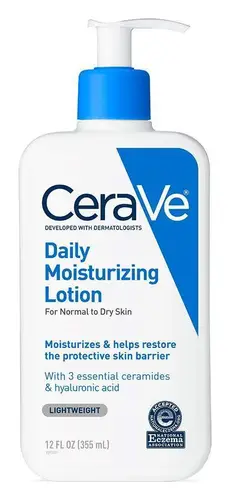
This barrier-repair after sun care is formulated around Caprylic/Capric Triglyceride and Glycyrrhetinic Acid to strengthen the skin barrier and calm redness.

What's inside
What's inside
 Key Ingredients
No key ingredients
Benefits
Concerns
Ingredients Side-by-side
Water
Skin ConditioningGlycerin
Humectant


Prunus Amygdalus Dulcis Oil
Skin Conditioning




Caprylic/Capric Triglyceride
Masking
Butyrospermum Parkii Butter
Skin Conditioning
Hydrogenated Coconut Oil
Emollient
Glyceryl Stearate Citrate
Emollient
Dimethicone
Emollient
Lauroyl Lysine
Skin Conditioning
Hydroxyethyl Acrylate/Sodium Acryloyldimethyl Taurate Copolymer
Emulsion StabilisingPolyglyceryl-3 Stearate
Emulsifying
Honey
Humectant
Sesamum Indicum Seed Oil
Emollient
Parfum
Masking


Hydrogenated Lecithin
Emulsifying
Helianthus Annuus Seed Oil Unsaponifiables
Emollient
Benzyl Alcohol
Perfuming


Tocopherol
Antioxidant





Phenoxyethanol
Preservative
Ethylhexylglycerin
Skin ConditioningHelianthus Annuus Seed Oil
Emollient
Allantoin
Skin Conditioning
Cetearyl Alcohol
Emollient
Sodium Gluconate
ChelatingPolysorbate 60
Emulsifying
Sorbitan Isostearate
Emulsifying
Citric Acid
Buffering
Dehydroacetic Acid
Preservative
Sodium Hydroxide
BufferingHydrolyzed Lupine Protein
Skin ConditioningSolanum Lycopersicum Fruit Extract
Antioxidant
Sodium Benzoate
Masking
Linalool
Perfuming
Limonene
Perfuming
Benzyl Salicylate
Perfuming
Citronellol
Perfuming
Farnesol
Perfuming
Coumarin
Perfuming
Citral
Perfuming
Geraniol
Perfuming
Water, Glycerin, Prunus Amygdalus Dulcis Oil, Caprylic/Capric Triglyceride, Butyrospermum Parkii Butter, Hydrogenated Coconut Oil, Glyceryl Stearate Citrate, Dimethicone, Lauroyl Lysine, Hydroxyethyl Acrylate/Sodium Acryloyldimethyl Taurate Copolymer, Polyglyceryl-3 Stearate, Honey, Sesamum Indicum Seed Oil, Parfum, Hydrogenated Lecithin, Helianthus Annuus Seed Oil Unsaponifiables, Benzyl Alcohol, Tocopherol, Phenoxyethanol, Ethylhexylglycerin, Helianthus Annuus Seed Oil, Allantoin, Cetearyl Alcohol, Sodium Gluconate, Polysorbate 60, Sorbitan Isostearate, Citric Acid, Dehydroacetic Acid, Sodium Hydroxide, Hydrolyzed Lupine Protein, Solanum Lycopersicum Fruit Extract, Sodium Benzoate, Linalool, Limonene, Benzyl Salicylate, Citronellol, Farnesol, Coumarin, Citral, Geraniol
Water
Skin ConditioningCaprylic/Capric Triglyceride
Masking
Glycerin
Humectant
Behenyl Alcohol
Emollient
Arachidyl Alcohol
Emollient
C20-22 Alkyl Phosphate
Emulsifying1,2-Hexanediol
Skin Conditioning
Arachidyl Glucoside
EmulsifyingC20-22 Alcohols
Emulsion Stabilising
Caprylyl Glycol
Emollient
Parfum
Masking
Glycyrrhetinic Acid
Skin Conditioning
Polyacrylate-13
Polyisobutene
Polysorbate 20
Emulsifying
Simmondsia Chinensis Seed Oil
Emollient
Sodium Hydroxide
BufferingSorbitan Isostearate
Emulsifying
Tocopheryl Glucoside
EmollientXanthan Gum
EmulsifyingWater, Caprylic/Capric Triglyceride, Glycerin, Behenyl Alcohol, Arachidyl Alcohol, C20-22 Alkyl Phosphate, 1,2-Hexanediol, Arachidyl Glucoside, C20-22 Alcohols, Caprylyl Glycol, Parfum, Glycyrrhetinic Acid, Polyacrylate-13, Polyisobutene, Polysorbate 20, Simmondsia Chinensis Seed Oil, Sodium Hydroxide, Sorbitan Isostearate, Tocopheryl Glucoside, Xanthan Gum
Ingredients Explained
These ingredients are found in both products.
Ingredients higher up in an ingredient list are typically present in a larger amount.
Caprylic/Capric Triglyceride (aka MCT Oil) is a lightweight emollient, solvent, and texture enhancer. It is considered a skin-softener by helping to prevent moisture loss.
Though it behaves like an oil, it is not technically one due to its chemical composition. One perk of this ingredient is that it is very stable, resistant to oxidation, and unlikely to go rancid.
In practice, that translates to a long shelf life and a consistently elegant skin feel.
While there is an assumption Caprylic Triglyceride can clog pores due to it being derived from coconut oil, there is no research supporting this. Just patch test if you have concerns.
Fractionated coconut oil and MCT Oil are both listed as Caprylic/Capric Triglyceride according to INCI. This is because INCI names are based on the ingredient’s final chemical composition and not its marketing name or source.
This ingredient is treated as the gold standard fungal acne safe oil. Even though it is coconut derived, the problematic lauric acid is stripped out.
This leaves just caprylic (C8) and capric (C10) acid. These chain lengths actually trend antifungal; a 2020 study found caprylic acid was enough to disrupt Malassezia furfur cell membrane, with a caprylic acid derivative damaging membrane structures at concentrations as low as 0.2%.
Learn more about Caprylic/Capric TriglycerideGlycerin (or glycerol) is a compound naturally found in your skin. It's a powerhouse humectant that pulls water into the stratum corneum.
Topically, glycerin does several things at once:
Your skin makes glycerin on its own (mostly from sebaceous oil breakdown) and shuttles it to your outermost layer of skin, or your epidermis, via aquaporin-3.
Aquaporin-3 is a transporter that is essential for normal skin hydration, elasticity, and repair. Interestingly, mice lacking in AQP3 have dry and less elastic skin that can be fully corrected with glycerin.
This ingredient is non-irritating, plays well with almost every ingredient, and works across all skin types. Typical use is anywhere between 3-10% but can go up to 79% in some leave-on products.
Just know very high concentrations (>40%) can feel tacky in low humidity.
Glycerin is the name for this ingredient in American English. British English uses Glycerol/Glycerine.
Learn more about GlycerinParfum is a catch-all term for an ingredient or more that is used to give a scent to products.
Also called "fragrance", this ingredient can be a blend of hundreds of chemicals or plant oils. This means every product with "fragrance" or "parfum" in the ingredients list is a different mixture.
For instance, Habanolide is a proprietary trade name for a specific aroma chemical. When used as a fragrance ingredient in cosmetics, most aroma chemicals fall under the broad labeling category of “FRAGRANCE” or “PARFUM” according to EU and US regulations.
The term 'parfum' or 'fragrance' is not regulated in many countries. In many cases, it is up to the brand to define this term.
For instance, many brands choose to label themselves as "fragrance-free" because they are not using synthetic fragrances. However, their products may still contain ingredients such as essential oils that are considered a fragrance by INCI standards.
One example is Calendula flower extract. Calendula is an essential oil that still imparts a scent or 'fragrance'.
Depending on the blend, the ingredients in the mixture can cause allergies and sensitivities on the skin. Some ingredients that are known EU allergens include linalool and citronellol.
Parfum can also be used to mask or cover an unpleasant scent.
The bottom line is: not all fragrances/parfum/ingredients are created equally. If you are worried about fragrances, we recommend taking a closer look at an ingredient. And of course, we always recommend speaking with a professional.
Learn more about ParfumSodium Hydroxide is also known as lye or caustic soda. It is used to adjust the pH of products; many ingredients require a specific pH to be effective.
In small amounts, sodium hydroxide is considered safe to use. However, large amounts may cause chemical burns due to its high alkaline.
Your skin has a natural pH and acid mantle. This acid mantle helps prevent harmful bacteria from breaking through. The acid mantle also helps keep your skin hydrated.
"Alkaline" refers to a high pH level. A low pH level would be considered acidic.
Learn more about Sodium HydroxideSorbitan Isostearate is an emulsifer. It is created from isostearic acid and sorbitol.
As an emulsifier, it keeps the water and oil ingredients from separating. This keeps formulas stable and smooth.
In a 24 hour occlusive patch test on 56 subjects, 10% sorbitan isostearate was completely non-irritating. Most formulas use less than 10%.
Because it's a fatty acid ester, it may not be fungal acne safe since the Malassezia yeast can utilize it as a nutrient source.
Learn more about Sorbitan IsostearateWater. It's the most common cosmetic ingredient of all. You'll usually see it at the top of ingredient lists, meaning that it makes up the largest part of the product.
So why is it so popular? Water most often acts as a solvent - this means that it helps dissolve other ingredients into the formulation.
You'll also recognize water as that liquid we all need to stay alive. If you see this, drink a glass of water. Remember to stay hydrated!
Learn more about Water