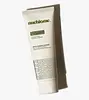
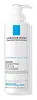
This mild cream cleanser is made to cleanse while calming and soothing your skin.
This cream cleanser uses mild cleansing ingredients, but contains alcohol that may feel drying for some.


What's inside
What's inside
 Key Ingredients
Benefits
Concerns
Ingredients Side-by-side
Water
Skin ConditioningGlycerin
Humectant


Sodium Methyl Cocoyl Taurate
Cleansing
Sorbitan Isostearate
Emulsifying

Behenyl Alcohol
Emollient
Cetyl Alcohol
Emollient
Helianthus Annuus Seed Wax
Skin Conditioning
Glycol Distearate
Emollient
Lactobacillus Ferment Lysate
Skin Conditioning
Coco-Glucoside
Cleansing
Glyceryl Oleate
Emollient

Polyglyceryl-4 Caprate
EmulsifyingSodium Cocoyl Hydrolyzed Amaranth Protein
Skin Conditioning
Caprylyl Glycol
Emollient
Lactobacillus Ferment Lysate Filtrate
Skin ConditioningLonicera Japonica Flower Extract
Skin ConditioningInulin
Skin Conditioning
Avena Sativa Kernel Flour
Abrasive

Dextrin
AbsorbentOryza Sativa Extract
Absorbent


Lonicera Caprifolium Flower Extract
Perfuming
Sodium Gluconate
ChelatingXanthan Gum
EmulsifyingCamellia Oleifera Leaf Extract
AstringentAlpha-Glucan Oligosaccharide
Cleansing
Sodium Hydroxide
BufferingSaccharomyces Lysate
Skin Conditioning
Aesculus Hippocastanum Seed Extract
Skin ConditioningDisodium Succinate
MaskingGlycine
Buffering
Glutamic Acid
Humectant
Valine
MaskingThreonine
Water, Glycerin, Sodium Methyl Cocoyl Taurate, Sorbitan Isostearate, Behenyl Alcohol, Cetyl Alcohol, Helianthus Annuus Seed Wax, Glycol Distearate, Lactobacillus Ferment Lysate, Coco-Glucoside, Glyceryl Oleate, Polyglyceryl-4 Caprate, Sodium Cocoyl Hydrolyzed Amaranth Protein, Caprylyl Glycol, Lactobacillus Ferment Lysate Filtrate, Lonicera Japonica Flower Extract, Inulin, Avena Sativa Kernel Flour, Dextrin, Oryza Sativa Extract, Lonicera Caprifolium Flower Extract, Sodium Gluconate, Xanthan Gum, Camellia Oleifera Leaf Extract, Alpha-Glucan Oligosaccharide, Sodium Hydroxide, Saccharomyces Lysate, Aesculus Hippocastanum Seed Extract, Disodium Succinate, Glycine, Glutamic Acid, Valine, Threonine











Reviews
Ingredients Explained
These ingredients are found in both products.
Ingredients higher up in an ingredient list are typically present in a larger amount.
Caprylyl Glycol is a humectant, skin conditioner, emollient, and preservative booster derived from either caprylic acid or synthetically created.
Typical use levels vary from 0.3-1% as a preservative booster and go up to 2% to condition skin.
Because it is not a free-fatty acid, this ingredient is fungal acne safe (there's nothing for Malassezia to feed on).
Learn more about Caprylyl GlycolGlycerin (or glycerol) is a compound naturally found in your skin. It's a powerhouse humectant that pulls water into the stratum corneum.
Topically, glycerin does several things at once:
Your skin makes glycerin on its own (mostly from sebaceous oil breakdown) and shuttles it to your outermost layer of skin, or your epidermis, via aquaporin-3.
Aquaporin-3 is a transporter that is essential for normal skin hydration, elasticity, and repair. Interestingly, mice lacking in AQP3 have dry and less elastic skin that can be fully corrected with glycerin.
This ingredient is non-irritating, plays well with almost every ingredient, and works across all skin types. Typical use is anywhere between 3-10% but can go up to 79% in some leave-on products.
Just know very high concentrations (>40%) can feel tacky in low humidity.
Glycerin is the name for this ingredient in American English. British English uses Glycerol/Glycerine.
Learn more about GlycerinWater. It's the most common cosmetic ingredient of all. You'll usually see it at the top of ingredient lists, meaning that it makes up the largest part of the product.
So why is it so popular? Water most often acts as a solvent - this means that it helps dissolve other ingredients into the formulation.
You'll also recognize water as that liquid we all need to stay alive. If you see this, drink a glass of water. Remember to stay hydrated!
Learn more about Water

