

What's inside
What's inside
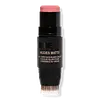 Key Ingredients
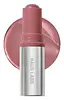
Benefits
Concerns
Ingredients Side-by-side
Polyglyceryl-2 Triisostearate
Emulsifying

Hydrogenated Polyisobutene
EmollientPolybutene
Ceresin
Emulsion StabilisingOctyldodecanol
Emollient
Synthetic Wax
Abrasive

C12-15 Alkyl Benzoate
AntimicrobialParaffin
Skin Conditioning
Caprylic/Capric Triglyceride
Masking


Mica
Cosmetic ColorantDipentaerythrityl Hexahydroxystearate/Hexastearate/Hexarosinate
Skin ConditioningMicrocrystalline Wax
Emulsion StabilisingSorbitan Sesquioleate
Emulsifying
Polyhydroxystearic Acid
Emulsifying
Ethylene/Propylene Copolymer
Abrasive
Euphorbia Cerifera Wax
Polyethylene
Abrasive
Tocopheryl Acetate
Antioxidant


Caprylyl Glycol
Emollient
Phenoxyethanol
Preservative
Pentaerythrityl Tetra-Di-T-Butyl Hydroxyhydrocinnamate
Antioxidant
Hexylene Glycol
EmulsifyingCI 77891
Cosmetic ColorantIron Oxides
CI 45410
Cosmetic ColorantCI 15850
Cosmetic ColorantCI 42090
Cosmetic ColorantPolyglyceryl-2 Triisostearate, Hydrogenated Polyisobutene, Polybutene, Ceresin, Octyldodecanol, Synthetic Wax, C12-15 Alkyl Benzoate, Paraffin, Caprylic/Capric Triglyceride, Mica, Dipentaerythrityl Hexahydroxystearate/Hexastearate/Hexarosinate, Microcrystalline Wax, Sorbitan Sesquioleate, Polyhydroxystearic Acid, Ethylene/Propylene Copolymer, Euphorbia Cerifera Wax, Polyethylene, Tocopheryl Acetate, Caprylyl Glycol, Phenoxyethanol, Pentaerythrityl Tetra-Di-T-Butyl Hydroxyhydrocinnamate, Hexylene Glycol, CI 77891, Iron Oxides, CI 45410, CI 15850, CI 42090
Diisostearyl Malate
EmollientOctyldodecanol
Emollient
Polyglyceryl-2 Triisostearate
Emulsifying
Synthetic Wax
Abrasive
Caprylic/Capric Triglyceride
Masking
Propylene Glycol Dibenzoate
Skin ConditioningPolybutene
Bis-Behenyl/Isostearyl/Phytosteryl Dimer Dilinoleyl Dimer Dilinoleate
EmollientEuphorbia Cerifera Cera
Astringent
Polyglyceryl-6 Polyricinoleate
Emulsifying
Coco-Caprylate/Caprate
Emollient
Arnica Montana Flower Extract
Masking
Squalane
Emollient
Pseudozyma Epicola/Camellia Sinensis Seed Oil Ferment Extract Filtrate
Humectant
Pseudozyma Epicola/Apricot Kernel Oil/Olive Fruit Oil/Sweet Almond Oil/Sunflower Seed Oil/Licorice Root Extract Ferment Extract Filtrate
Pseudozyma Epicola/Apricot Kernel Oil/Olive Fruit Oil/Sunflower Seed Oil/Sweet Almond Oil/(Angelica Gigas/Lithospermum Erythrorhizon) Root Extract Ferment Extract Filtrate
Pseudozyma Epicola/Sunflower Seed Oil Ferment Extract Filtrate
Emulsion Stabilising
Tocopheryl Acetate
Antioxidant
Lycium Barbarum Fruit Extract
Astringent
Copernicia Cerifera Cera
Emollient
Butyrospermum Parkii Butter
Skin Conditioning
Caprylic/Capric/Succinic Triglyceride
EmollientCastor Oil/Ipdi Copolymer
Propylene Carbonate
SolventSorbitan Sesquioleate
Emulsifying
Stearalkonium Hectorite
Gel Forming1,2-Hexanediol
Skin Conditioning
CI 77492
Cosmetic ColorantCI 77891
Cosmetic ColorantCI 15985
Cosmetic ColorantCI 15850
Cosmetic ColorantCI 42090
Cosmetic ColorantDiisostearyl Malate, Octyldodecanol, Polyglyceryl-2 Triisostearate, Synthetic Wax, Caprylic/Capric Triglyceride, Propylene Glycol Dibenzoate, Polybutene, Bis-Behenyl/Isostearyl/Phytosteryl Dimer Dilinoleyl Dimer Dilinoleate, Euphorbia Cerifera Cera, Polyglyceryl-6 Polyricinoleate, Coco-Caprylate/Caprate, Arnica Montana Flower Extract, Squalane, Pseudozyma Epicola/Camellia Sinensis Seed Oil Ferment Extract Filtrate, Pseudozyma Epicola/Apricot Kernel Oil/Olive Fruit Oil/Sweet Almond Oil/Sunflower Seed Oil/Licorice Root Extract Ferment Extract Filtrate, Pseudozyma Epicola/Apricot Kernel Oil/Olive Fruit Oil/Sunflower Seed Oil/Sweet Almond Oil/(Angelica Gigas/Lithospermum Erythrorhizon) Root Extract Ferment Extract Filtrate, Pseudozyma Epicola/Sunflower Seed Oil Ferment Extract Filtrate, Tocopheryl Acetate, Lycium Barbarum Fruit Extract, Copernicia Cerifera Cera, Butyrospermum Parkii Butter, Caprylic/Capric/Succinic Triglyceride, Castor Oil/Ipdi Copolymer, Propylene Carbonate, Sorbitan Sesquioleate, Stearalkonium Hectorite, 1,2-Hexanediol, CI 77492, CI 77891, CI 15985, CI 15850, CI 42090
Reviews
Ingredients Explained
These ingredients are found in both products.
Ingredients higher up in an ingredient list are typically present in a larger amount.
Caprylic/Capric Triglyceride (aka MCT Oil) is a lightweight emollient, solvent, and texture enhancer. It is considered a skin-softener by helping to prevent moisture loss.
Though it behaves like an oil, it is not technically one due to its chemical composition. One perk of this ingredient is that it is very stable, resistant to oxidation, and unlikely to go rancid.
In practice, that translates to a long shelf life and a consistently elegant skin feel.
While there is an assumption Caprylic Triglyceride can clog pores due to it being derived from coconut oil, there is no research supporting this. Just patch test if you have concerns.
Fractionated coconut oil and MCT Oil are both listed as Caprylic/Capric Triglyceride according to INCI. This is because INCI names are based on the ingredient’s final chemical composition and not its marketing name or source.
This ingredient is treated as the gold standard fungal acne safe oil. Even though it is coconut derived, the problematic lauric acid is stripped out.
This leaves just caprylic (C8) and capric (C10) acid. These chain lengths actually trend antifungal; a 2020 study found caprylic acid was enough to disrupt Malassezia furfur cell membrane, with a caprylic acid derivative damaging membrane structures at concentrations as low as 0.2%.
Learn more about Caprylic/Capric TriglycerideCi 15850 is the pigment color red. It is an azo dye and created synthetically.
Azo dyes need to be thoroughly purified before use. This allows them to be more stable and longer-lasting.
This ingredient is common in foundations, lipsticks, and blushes. This color is described as brown/orangey red.
It has many secondary names such as Red 6 and Red 7. According to a manufacturer, Red 6 usually contains aluminum.
Learn more about CI 15850Ci 42090 is a synthetic dye created from petroleum. It is used to give a bright blue color to cosmetics, medicine, and food.
Ci 77891 is a white pigment from Titanium dioxide. It is naturally found in minerals such as rutile and ilmenite.
It's main function is to add a white color to cosmetics. It can also be mixed with other colors to create different shades.
Ci 77891 is commonly found in sunscreens due to its ability to block UV rays.
Learn more about CI 77891Octyldodecanol is a fatty alcohol sourced from plant oils like coconut or palm (or made synthetically).
It is:
You'll likely see this in many BHA products because this is the go-to solvent for salicylic acid.
This ingredient is typically used at levels between 2-20%.
Regarding fungal acne:
In 2019, this ingredient was tested against multiple Malassezia species (the yeast that causes fungal acne) and showed no growth.
Polybutene is used to help control the viscosity of a product. This just means it helps adjusts the texture.
It is a polymer and does not get absorbed into the skin due to its large size.
Studies found this ingredient did not irritate skin in concentrations below 15%.
Learn more about PolybutenePolyglyceryl-2 Triisostearate is a plant-derived emulsifier and pigment-dispersing agent with a non-sticky skin feel.
It helps products glide on smoothly and prevents oil and water from separating in a formula, making it suitable for sunscreen and makeup formulations.
The EU inventory of cosmetics has no use restrictions on this ingredient and it is considered well-tolerated.
This ingredient may not be fungal acne safe because it is derived from isostearic acid.
Learn more about Polyglyceryl-2 TriisostearateSorbitan Sesquioleate is derived from sorbitol and oleic acid. It is an emulsifier and prevents ingredients from separating.
Specifically, this ingredient is a water-in-oil emulsifier, meaning it helps water dissolve into oil.
Some studies suggest this ingredient may cause irritation in some people. If you are unsure, it is best to patch test.
This ingredient may not be Malassezia folliculitis, or fungal-acne safe due to the oleic acid. In vitro studies have shown that Oleic Acid is one of the fatty acids that induce rapid Malassezia growth in lab settings.
This ingredient does have a comedogenic rating of 0-1. The original test stated 0-1 meant an ingredient is unlikely to cause comedones.
Just remember human testing has proved that any finished product with a comedogenic ingredient won't automatically make you break out; it really comes down to concentration, formula, and your skin.
Learn more about Sorbitan SesquioleateSynthetic Wax is a manufactured hydrocarbon wax. In formulas, it works as an occlusive emollient that helps reduce water loss and improves the spreadability of products.
Research comparing synthetic wax to traditional mineral-derived products found that formulas containing it perform as well for skin hydration.
It is considered non-comedogenic and vegan-friendly.
This ingredient has a well-established safety record by the CIR Expert Panel for Cosmetic Ingredient Safety.
Synthetic Waxes are straight/branched-chain hydrocarbons with no ester bond or fatty acids. That means there is nothing for the Malassezia yeast to feed on.
Learn more about Synthetic WaxTocopheryl Acetate is a stable, shelf-friendly form of vitamin E.
Formulators love it because plain vitamin E oxidizes quickly once it hits air. This acetate version stays stable and resists going off, helping to extend a product's shelf life.
It's actually inactive on its own and works like a slow-release "storage" form; the enzymes in your skin called esterases gradually convert it into active vitamin E over time.
One in vivo study showed 5% of the acetate in the living layer of the epidermis converted to vitamin E after 5 days of application. This study also found the skin gained protection against UV damage even though the conversion was slow and small.
Once converted, vitamin E acts as a skin's main fat-soluble antioxidant that fights free radicals to protect skin from damage.
Topical vitamin E generally boosts the skin's photoprotection, and it reduced UV-damage in animal models.
This ingredient has some brightening potential but it's more of a prevention ingredient than spot-fader. Cell studies show it can slow down melanin production but it's worth noting that it's not the most powerful brightener out there.
Overall, it has a pretty solid safety profile and has been found to be non-irritating and non-comedogenic. Allergic reactions may happen but stay rare due to how widely the ingredient gets used.
The concentration will vary depending on the formula; industry data shows 0.1% in baby lotions, 3% in lipsticks, and 5% in foot powders. You can also find this ingredient at 100% in a pure vitamin E oil.
Most leave-on skincare keeps it at the lower end, often between 0.5-1%.
Learn more about Tocopheryl Acetate

