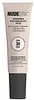
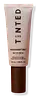
Nudestix Nudescreen Daily Mineral Veil SPF 30 - Cool Versus Live Tinted Hueguard Skin Tint SPF 50 Mineral Sunscreen Broad Spectrum


What's inside
What's inside
 Key Ingredients
Benefits
Concerns
Ingredients Side-by-side
Zinc Oxide 15%
Cosmetic Colorant


Water
Skin ConditioningCoconut Alkanes
Emollient
Caprylic/Capric Triglyceride
Masking

Propanediol
Solvent
Coco-Caprylate/Caprate
Emollient
Polyglyceryl-4 Diisostearate/Polyhydroxystearate/Sebacate
Emulsifying
Methyl Dihydroabietate
Spirulina Platensis Extract
Skin ProtectingC13-15 Alkane
SolventSodium Chloride
MaskingDistarch Phosphate
AbsorbentIsostearic Acid
Cleansing
Polyhydroxystearic Acid
Emulsifying
Quaternium-90 Bentonite
1,2-Hexanediol
Skin Conditioning
Benzyl Alcohol
Perfuming





Hydroxyacetophenone
Antioxidant


Zinc Stearate
Cosmetic ColorantEthyl Ferulate
Antioxidant
Triethyl Citrate
Masking
Butylene Glycol
Humectant
Lactobacillus Ferment
Skin Conditioning
Passiflora Edulis Fruit Extract
Skin ConditioningCamellia Sinensis Leaf Extract
Antimicrobial


Zinc Oxide 15%, Water, Coconut Alkanes, Caprylic/Capric Triglyceride, Propanediol, Coco-Caprylate/Caprate, Polyglyceryl-4 Diisostearate/Polyhydroxystearate/Sebacate, Methyl Dihydroabietate, Spirulina Platensis Extract, C13-15 Alkane, Sodium Chloride, Distarch Phosphate, Isostearic Acid, Polyhydroxystearic Acid, Quaternium-90 Bentonite, 1,2-Hexanediol, Benzyl Alcohol, Hydroxyacetophenone, Zinc Stearate, Ethyl Ferulate, Triethyl Citrate, Butylene Glycol, Lactobacillus Ferment, Passiflora Edulis Fruit Extract, Camellia Sinensis Leaf Extract
Zinc Oxide 9.5%
Cosmetic Colorant
Allantoin
Skin Conditioning
Aluminum Hydroxide
EmollientAscorbyl Palmitate
Antioxidant
Bisabolol
Antioxidant
Buddleja Davidii Callus Extract
Butyloctyl Salicylate
Skin Conditioning
C12-15 Alkyl Benzoate
AntimicrobialC13-15 Alkane
SolventCaprylic/Capric Triglyceride
Masking
Caprylyl Glycol
Emollient
Citric Acid
Buffering

Coco-Caprylate
Emollient
Crocus Sativus Flower Extract
MaskingDisteardimonium Hectorite
StabilisingGlycerin
Humectant
Hippophae Rhamnoides Seed Oil
Skin Protecting
Hydrogenated Lecithin
Emulsifying
Hydrolyzed Sodium Hyaluronate
Skin Conditioning
Iron Oxides
Isoamyl Laurate
Emollient
Lecithin
Emollient
Methylpropanediol
SolventPhenylpropanol
Masking
Physalis Pubescens Fruit Juice
Skin ConditioningPolyglyceryl-3 Polyricinoleate
Emulsifying
Polyglyceryl-4 Diisostearate/Polyhydroxystearate/Sebacate
Emulsifying
Pyrus Malus Fruit Extract
Skin Conditioning
Silica
Abrasive
Silica Silylate
Emollient
Sodium Chloride
MaskingSodium Hyaluronate
Humectant
CI 77891
Cosmetic ColorantTocopherol
Antioxidant

Water
Skin ConditioningWithania Somnifera Root Extract
Skin Conditioning
Xanthan Gum
EmulsifyingZinc Oxide 9.5%, Allantoin, Aluminum Hydroxide, Ascorbyl Palmitate, Bisabolol, Buddleja Davidii Callus Extract, Butyloctyl Salicylate, C12-15 Alkyl Benzoate, C13-15 Alkane, Caprylic/Capric Triglyceride, Caprylyl Glycol, Citric Acid, Coco-Caprylate, Crocus Sativus Flower Extract, Disteardimonium Hectorite, Glycerin, Hippophae Rhamnoides Seed Oil, Hydrogenated Lecithin, Hydrolyzed Sodium Hyaluronate, Iron Oxides, Isoamyl Laurate, Lecithin, Methylpropanediol, Phenylpropanol, Physalis Pubescens Fruit Juice, Polyglyceryl-3 Polyricinoleate, Polyglyceryl-4 Diisostearate/Polyhydroxystearate/Sebacate, Pyrus Malus Fruit Extract, Silica, Silica Silylate, Sodium Chloride, Sodium Hyaluronate, CI 77891, Tocopherol, Water, Withania Somnifera Root Extract, Xanthan Gum
Reviews
Ingredients Explained
These ingredients are found in both products.
Ingredients higher up in an ingredient list are typically present in a larger amount.
C13-15 Alkane is a group of alkanes with 13 to 15 carbon atoms in the alkyl chain.
It is a solvent and texture enhancer. Solvents are used to keep ingredients together in a product. They can help dissolve ingredients to stable bases or help evenly distribute ingredients throughout the product.
This ingredient is a lightweight emollient, solvent, and texture enhancer. It is considered a skin-softener by helping the skin prevent moisture loss.
It helps thicken a product's formula and makes it easier to spread by dissolving clumping compounds.
Caprylic Triglyceride is made by combining glycerin with coconut oil, forming a clear liquid. Though it behaves like an oil, it is not technically one due to its chemical composition. It is very stable, resistant to oxidation, and unlikely to go rancid. In practice, that translates to a long shelf life and a consistently elegant skin feel.
While there is an assumption Caprylic Triglyceride can clog pores due to it being derived from coconut oil, there is no research supporting this. Be sure to patch test if you have concerns.
Fractionated coconut oil and MCT Oil are both listed as Caprylic/Capric Triglyceride according to INCI. This is because INCI names are based on the ingredient’s final chemical composition and not its marketing name or source.
Learn more about Caprylic/Capric TriglycerideThis ingredient is a water-in-oil emulsifier and is sometimes known by its trade name, Isolan GPS. It helps create stable emulsions by bridging oil and water phases without adding a greasy feel.
Common usage levels sit between 2-5% for this ingredient.
Chances are, you eat sodium chloride every day. Sodium Chloride is also known as table salt. This ingredient has many purposes in skincare: thickener, emulsifier, and exfoliator.
You'll most likely find this ingredient in cleansers where it is used to create a gel-like texture. As an emulsifier, it also prevents ingredients from separating.
You might see people debate whether Sodium Chloride is comedogenic, but there actually haven't been any comedogenic tests done on it. Either way, the overall formulation of a product matters a lot more than any single ingredient.
You might see this ingredient used in scrubs as a primary exfoliating ingredient.
Learn more about Sodium ChlorideWater. It's the most common cosmetic ingredient of all. You'll usually see it at the top of ingredient lists, meaning that it makes up the largest part of the product.
So why is it so popular? Water most often acts as a solvent - this means that it helps dissolve other ingredients into the formulation.
You'll also recognize water as that liquid we all need to stay alive. If you see this, drink a glass of water. Remember to stay hydrated!
Learn more about WaterZinc Oxide is a mineral broad-spectrum UV filter; it is the broadest UVA and UVB reflector approved by the FDA. It also has skin protectant and skin soothing properties.
Zinc oxide is one of the most effective broad-spectrum UV filters. It protects against UVB, UVAII, and UVAI. In comparison to its counterpart titanium dioxide, zinc oxide provides uniform and extended UVA protection.
Another great benefit? This ingredient is highly photostable so it won't degrade easily under sunlight.
A common myth is that mineral UV filters are widely believed to primarily reflect UV light.
However, modern research shows titanium dioxide absorbs UV radiation like chemical filters (~95% absorption & 5% reflection).
Zinc oxide has great skin soothing properties so you'll likely find this in sunscreens formulated for sensitive skin or babies/children. It is unlikely to cause "eye sting" like other sunscreen ingredients.
Regulatory agencies consider zinc oxide to be non-toxic and safe. It has also been shown to not penetrate the skin.
Unfortunately, this ingredient does leave a visible white cast. This is why mineral sunscreens are often less cosmetically elegant than chemical or hybrid ones.
In cosmetics, zinc oxide can be found in both non-nano and nano-sized forms. The nano version is used to reduce white cast and improve the texture of sunscreen formulas.
There are ongoing concerns surrounding nano-zinc oxide's impact on marine ecosystems and whether it can be absorbed into skin.
Regarding marine ecosystems and coral reefs, there is no conclusive evidence that any form of zinc oxide (or any other sunscreen ingredients) will cause harm. The science is still developing but many consumers are keeping a close eye on this issue.
Please note, many destinations have reef-safety sunscreen rules. For instance, the U.S. Virgin Islands advises all visitors to use non-nano mineral sunscreens.
There has also been some stir about whether micronized or nano zinc oxide has potential photoxicity and absorption through the skin/lungs.
An in-vitro (done in a test tube or petri dish) study demonstrated micronized zinc oxide to have potential phototoxicity. There's no need to fret; the EU Commission's Scientific Committee on Consumer Safety has stated, "The relevance of these findings needs to be clarified by appropriate investigations in vivo." Or in other words, further studies done on living organisms are needed to prove this.
Current research shows zinc oxide nanoparticles do not penetrate intact or sunburned skin. They either remain on the surface or in the outermost layer of dead skin (stratum corneum).
Zinc oxide is one of only two classified mineral UV filters with titanium dioxide being the other one.
Fun fact: Zinc has been used throughout history as an ingredient in paint and medicine. An Indian text from 500BC is believed to list zinc oxide as a salve for open wound. The Ancient Greek physician Dioscorides has also mentioned the use of zinc as an ointment in 1AD.
Learn more about Zinc Oxide
