

What's inside
What's inside
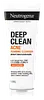 Key Ingredients
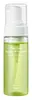
Benefits
Concerns
Ingredients Side-by-side
Water
Skin ConditioningGlycerin
Humectant


Sodium Cocoyl Glycinate
Cleansing
Sodium Cocoyl Isethionate
Cleansing
Cocamidopropyl Betaine
Cleansing


Myristic Acid
Cleansing

Glycol Distearate
Emollient
Acrylates Copolymer
Lauric Acid
Cleansing
PEG-120 Methyl Glucose Dioleate
Emulsifying
Phenoxyethanol
Preservative
Salicylic Acid
Masking






Caprylyl Glycol
Emollient
Chlorphenesin
Antimicrobial
Sodium Hydroxide
BufferingParfum
Masking

Hydroxyethylcellulose
Emulsion StabilisingO-Cymen-5-Ol
Antimicrobial
Disodium EDTA
Water, Glycerin, Sodium Cocoyl Glycinate, Sodium Cocoyl Isethionate, Cocamidopropyl Betaine, Myristic Acid, Glycol Distearate, Acrylates Copolymer, Lauric Acid, PEG-120 Methyl Glucose Dioleate, Phenoxyethanol, Salicylic Acid, Caprylyl Glycol, Chlorphenesin, Sodium Hydroxide, Parfum, Hydroxyethylcellulose, O-Cymen-5-Ol, Disodium EDTA
Water
Skin ConditioningGlycerin
Humectant
Butylene Glycol
Humectant
Dipropylene Glycol
HumectantCoco-Betaine
Cleansing
Lauryl Hydroxysultaine
CleansingDisodium Cocoamphodiacetate
CleansingSodium Chloride
MaskingMorinda Citrifolia Fruit Extract
Skin Conditioning

Sodium Methyl Cocoyl Taurate
Cleansing
Saccharomyces Ferment
Skin Conditioning
Cryptomeria Japonica Leaf Extract
HumectantNelumbo Nucifera Leaf Extract
Skin ConditioningSodium Lauroyl Methyl Isethionate
CleansingSalicylic Acid
Masking
Hydroxyacetophenone
Antioxidant
Pentylene Glycol
Skin Conditioning
Hexylene Glycol
EmulsifyingEthylhexylglycerin
Skin ConditioningAllantoin
Skin Conditioning

Disodium EDTA
Tromethamine
BufferingMalachite Extract
Antioxidant
Coptis Chinensis Root Extract
Antioxidant
Gluconic Acid
Pyrus Communis Fruit Extract
Skin ConditioningRosa Damascena Flower Water
Masking
Prunus Persica Fruit Extract
Abrasive
Hedera Helix Leaf/Stem Extract
AntimicrobialPimpinella Anisum Fruit Extract
MaskingVanilla Planifolia Fruit Extract
Skin Conditioning
Cucumis Melo Seed Extract
Skin Conditioning1,2-Hexanediol
Skin Conditioning
Caprylyl Glycol
Emollient
Citric Acid
Buffering
Water, Glycerin, Butylene Glycol, Dipropylene Glycol, Coco-Betaine, Lauryl Hydroxysultaine, Disodium Cocoamphodiacetate, Sodium Chloride, Morinda Citrifolia Fruit Extract, Sodium Methyl Cocoyl Taurate, Saccharomyces Ferment, Cryptomeria Japonica Leaf Extract, Nelumbo Nucifera Leaf Extract, Sodium Lauroyl Methyl Isethionate, Salicylic Acid, Hydroxyacetophenone, Pentylene Glycol, Hexylene Glycol, Ethylhexylglycerin, Allantoin, Disodium EDTA, Tromethamine, Malachite Extract, Coptis Chinensis Root Extract, Gluconic Acid, Pyrus Communis Fruit Extract, Rosa Damascena Flower Water, Prunus Persica Fruit Extract, Hedera Helix Leaf/Stem Extract, Pimpinella Anisum Fruit Extract, Vanilla Planifolia Fruit Extract, Cucumis Melo Seed Extract, 1,2-Hexanediol, Caprylyl Glycol, Citric Acid
Reviews
Ingredients Explained
These ingredients are found in both products.
Ingredients higher up in an ingredient list are typically present in a larger amount.
Caprylyl Glycol is a humectant, skin conditioner, emollient, and preservative booster derived from either caprylic acid or synthetically created.
Typical use levels vary from 0.3-1% as a preservative booster and go up to 2% to condition skin.
Because it is not a free-fatty acid, this ingredient is fungal acne safe (there's nothing for Malassezia to feed on).
Learn more about Caprylyl GlycolDisodium EDTA is a chelating agent. It grabs onto and deactivates metal ions that sneak into your products from water, packaging, or air.
This ingredient mainly works behind the scenes and helps with:
On top of that, this ingredient can counteract the effects of hard water by binding to the minerals in it.
One thing worth knowing is that Disodium EDTA has been shown to be a mild penetration enhancer. It can help other ingredients absorb into skin more effectively which can be a double-edged sword (great for actives, but can also make the active too strong if you have sensitive skin).
Clinical patch testing showed no significant skin irritation at typical use concentrations and minimal dermal absorption.
You'll most likely see this ingredient near the end of an ingredient list. It's typically found in concentrations less than 1%.
Learn more about Disodium EDTAGlycerin (or glycerol) is a compound naturally found in your skin. It's a powerhouse humectant that pulls water into the stratum corneum.
Topically, glycerin does several things at once:
Your skin makes glycerin on its own (mostly from sebaceous oil breakdown) and shuttles it to your outermost layer of skin, or your epidermis, via aquaporin-3.
Aquaporin-3 is a transporter that is essential for normal skin hydration, elasticity, and repair. Interestingly, mice lacking in AQP3 have dry and less elastic skin that can be fully corrected with glycerin.
This ingredient is non-irritating, plays well with almost every ingredient, and works across all skin types. Typical use is anywhere between 3-10% but can go up to 79% in some leave-on products.
Just know very high concentrations (>40%) can feel tacky in low humidity.
Glycerin is the name for this ingredient in American English. British English uses Glycerol/Glycerine.
Learn more about GlycerinSalicylic Acid (also known as beta hydroxy acid or BHA) is a well-known ingredient for treating skin that struggles with acne and clogged pores. It exfoliates both the skin's surface and deep within the pores to help clear out buildup, control oil, and reduce inflammation.
Unlike AHAs (alpha hydroxy acids), salicylic acid is oil-soluble. This allows it to penetrate into pores which makes it especially effective for treating blackheads and preventing future breakouts.
Salicylic acid is also known for its soothing properties. It has a similar structure to aspirin and can calm inflamed or irritated skin, making it a good option for acne-prone skin that is also sensitive.
Concentrations of 0.5-2% are recognized by the U.S. FDA as an over-the-counter topical acne product.
It can cause irritation and/or dryness if one's skin already has a compromised moisture barrier, so it's best to focus on repairing that before introducing this ingredient into your routine.
While salicylic acid does not increase sun sensitivity, it’s still important to wear sunscreen daily to protect your skin.
If you are looking for the ingredient called BHA or Butylated Hydroxyanisole, click here.
Learn more about Salicylic AcidWater. It's the most common cosmetic ingredient of all. You'll usually see it at the top of ingredient lists, meaning that it makes up the largest part of the product.
So why is it so popular? Water most often acts as a solvent - this means that it helps dissolve other ingredients into the formulation.
You'll also recognize water as that liquid we all need to stay alive. If you see this, drink a glass of water. Remember to stay hydrated!
Learn more about Water

