NeoStrata Enlighten Skin Brightener SPF 35 Versus TheActives Tranexamic Acid 3% + Butylresorcinol 0,1%
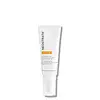
This brightening day moisturizer is formulated around Acetyl Glucosamine and 4-Butylresorcinol to fade the look of dark spots and brighten dull-looking skin.
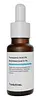
This brightening serum is formulated around Tranexamic Acid and 4-Butylresorcinol to fade the look of dark spots and brighten dull-looking skin.


What's inside
What's inside
 Key Ingredients
Benefits
Concerns
Ingredients Side-by-side
Butyl Methoxydibenzoylmethane 3%
UV Absorber
Ethylhexyl Methoxycinnamate 7.5%
UV Absorber

Ethylhexyl Salicylate 5%
UV Absorber
Water
Skin ConditioningAcetyl Glucosamine 8%
Skin Conditioning


Butyloctyl Salicylate
Skin Conditioning
Dimethicone
Emollient

C12-15 Alkyl Benzoate
AntimicrobialGlycerin
Humectant

Cyclopentasiloxane
Emollient
Glyceryl Stearate
Emollient

Butylene Glycol
Humectant
Cyclohexasiloxane
Emollient
Octyldodecyl Neopentanoate
EmollientCetyl Alcohol
Emollient

PEG-100 Stearate
Surfactant
Cetearyl Alcohol
Emollient


Tocopheryl Acetate
Antioxidant

Vitis Vinifera Seed Extract 1%
Antimicrobial

Tetrahydrodiferuloylmethane 0.25%
Antioxidant
4-Butylresorcinol 0.3%
Antioxidant
Ceteth-20
CleansingPEG-75 Stearate
Surfactant
Propylene Glycol
Humectant
Disodium EDTA
ChelatingSteareth-20
CleansingXanthan Gum
EmulsifyingAmmonium Hydroxide
BufferingSodium Bisulfite
Antioxidant
Carbomer
Emulsion StabilisingCaprylyl Glycol
Emollient
Phenoxyethanol
Preservative
Chlorphenesin
Antimicrobial
Butyl Methoxydibenzoylmethane 3%, Ethylhexyl Methoxycinnamate 7.5%, Ethylhexyl Salicylate 5%, Water, Acetyl Glucosamine 8%, Butyloctyl Salicylate, Dimethicone, C12-15 Alkyl Benzoate, Glycerin, Cyclopentasiloxane, Glyceryl Stearate, Butylene Glycol, Cyclohexasiloxane, Octyldodecyl Neopentanoate, Cetyl Alcohol, PEG-100 Stearate, Cetearyl Alcohol, Tocopheryl Acetate, Vitis Vinifera Seed Extract 1%, Tetrahydrodiferuloylmethane 0.25%, 4-Butylresorcinol 0.3%, Ceteth-20, PEG-75 Stearate, Propylene Glycol, Disodium EDTA, Steareth-20, Xanthan Gum, Ammonium Hydroxide, Sodium Bisulfite, Carbomer, Caprylyl Glycol, Phenoxyethanol, Chlorphenesin


Reviews
Ingredients Explained
These ingredients are found in both products.
Ingredients higher up in an ingredient list are typically present in a larger amount.
This ingredient is also known as rucinol. It's an antioxidant and one of the best-studied tyrosinase inhibitors (skin brightener) in cosmetic chemistry.
This ingredient works in a few complimentary ways:
In head-to-head biochemical assays, it outperformed kojic acid, arbutin, and even hydroquinone at slowing melanin production.
Clinically, 0.1% has shown to improve melasma visibly after just 4 weeks. Another liposome-encapsulated version performed similarly well and an Indian study on 0.3% showed significant melasma reduction over 8 weeks with no adverse events reported.
This ingredient is generally well-tolerated. A very small amount of people have experienced mild dryness or peeling at a higher concentration (0.3%).
According to a manufacturer, this ingredient is sensitive to air. Good formulations should account for this to keep your rucinol effective.
Be sure to also check out Thiamidol, another "hydroquinone alternative".
Learn more about 4-ButylresorcinolButylene Glycol (or BG) is used within cosmetic products for a few different reasons:
Overall, Butylene Glycol is a safe and well-rounded ingredient that works well with other ingredients.
Though this ingredient works well with most skin types, some people with sensitive skin may experience a reaction such as allergic rashes, closed comedones, or itchiness.
Learn more about Butylene GlycolChlorphenesin is a synthetic preservative. It helps protect a product against bacteria in order to extend shelf life. In most cases, Chlorphenesin is paired with other preservatives such as phenoxyethanol and caprylyl glycol.
Chlorphenesin is a biocide. This means it is able to help fight the microorganisms on our skin. It is also able to fight odor-releasing bacteria.
Chlorphenesin is soluble in both water and glycerin.
Studies show Chlorphenesin is easily absorbed by our skin. You should speak with a skincare professional if you have concerns about using Chlorphenesin.
Learn more about ChlorphenesinDisodium EDTA is a chelating agent. It grabs onto and deactivates metal ions that sneak into your products from water, packaging, or air.
This ingredient mainly works behind the scenes and helps with:
On top of that, this ingredient can counteract the effects of hard water by binding to the minerals in it.
One thing worth knowing is that Disodium EDTA has been shown to be a mild penetration enhancer. It can help other ingredients absorb into skin more effectively which can be a double-edged sword (great for actives, but can also make the active too strong if you have sensitive skin).
Clinical patch testing showed no significant skin irritation at typical use concentrations and minimal dermal absorption.
You'll most likely see this ingredient near the end of an ingredient list. It's typically found in concentrations less than 1%.
Learn more about Disodium EDTAPhenoxyethanol is one of the most widely used preservatives in skincare (and for good reason!).
It has a large spectrum of antimicrobial activity and especially effective bacteria, yeast, and mold while only having a weak effect on your skin's natural microbiome.
On a cellular level, it disrupts the cell membranes of microbes by poking holes that make the cell leak. This shuts down the chemical reactions the microbe needs to make energy so it can no longer survive.
Another perk of this ingredient is that it stays functional across a wide pH range (3-10).
You'll often see it paired with boosters like Ethylhexylglycerin; one study showed that a 1:9 ratio of Ethylhexylglycerin to Phenoxyethanol damages bacterial membranes as effectively as doubling the Phenoxyethanol concentration on its own.
Typical use concentrations range from 0.3-1% depending on the formula, and this ingredient is capped at 1% int the EU.
Safety-wise, the fear mongering does not hold up to the evidence. The EU's Scientific Committee on Consumer Safety and FDA consider it safe as a preservative at up to 1%, including for children of all ages.
Adverse systemic effects only showed up in animal studies at exposures roughly 200x higher than what people get from cosmetics. And despite its very widespread use, this ingredient is a rare sensitizer and allergic reactions are uncommon.
Learn more about PhenoxyethanolPropylene Glycol is a synthetic, colorless, odorless liquid that has been a staple in cosmetics for decades. It is a skin conditioning agent, humectant, and solvent.
As a humectant, it draw water to the skin to reduce flaking and restore suppleness. It's also a solvent that helps dissolve other actives and keeps formulas stable across temperature changes.
The CIR Expert Panel has confirmed this ingredient to be nontoxic and clinical studies show no sensitization at cosmetic use concentrations.
True allergic reactions are quite rare: a 15-year retrospective study of 6,751 patients found only 0.31% had a positive reaction (and less than half were considered clinically relevant).
It seemed that when sensitization does occur, it's most commonly linked to topical medication (like corticosteroids) and not cosmetics. Allergic contact dermatitis also appears largely limited to individuals with underlying skin conditions.
Overall, propylene glycol is a well-studied ingredient that most people can tolerate without issue.
Learn more about Propylene GlycolWater. It's the most common cosmetic ingredient of all. You'll usually see it at the top of ingredient lists, meaning that it makes up the largest part of the product.
So why is it so popular? Water most often acts as a solvent - this means that it helps dissolve other ingredients into the formulation.
You'll also recognize water as that liquid we all need to stay alive. If you see this, drink a glass of water. Remember to stay hydrated!
Learn more about Water

