
What's inside
What's inside
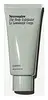 Key Ingredients
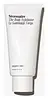
Benefits
Concerns
Ingredients Side-by-side
Water
Skin ConditioningSodium C14-16 Olefin Sulfonate
Cleansing

Cocamidopropyl Betaine
Cleansing

Pumice
Abrasive
Glycerin
Humectant


Acrylates Crosspolymer-4
Emulsion StabilisingPropanediol
Solvent
Sodium Chloride
MaskingSclerocarya Birrea Seed Oil
Humectant


Salicylic Acid
Masking







Glycolic Acid
Buffering


Lactic Acid
Buffering
Tocopherol
Antioxidant


Niacinamide
Smoothing

Gluconolactone
Chelating
Charcoal Powder
Abrasive
Zea Mays Starch
Absorbent
Mannitol
Humectant
Microcrystalline Cellulose
AbsorbentAmylopectin
Dextrin
AbsorbentPolydextrose
HumectantSodium Benzoate
Masking
Sodium PCA
Humectant
Calcium Gluconate
HumectantQuartz
Abrasive
Sodium Hydroxide
BufferingEucalyptus Globulus Leaf Oil
Perfuming


Lavandula Angustifolia Oil
Masking
Abies Sibirica Oil
Masking
Zingiber Officinale Root Oil
Masking
Citrus Aurantium Dulcis Peel Oil
Masking
Pogostemon Cablin Leaf Oil
Masking
Limonene
Perfuming
Linalool
Perfuming
Linalyl Acetate
Masking
Pinene
Masking
Beta-Caryophyllene
Masking
Water, Sodium C14-16 Olefin Sulfonate, Cocamidopropyl Betaine, Pumice, Glycerin, Acrylates Crosspolymer-4, Propanediol, Sodium Chloride, Sclerocarya Birrea Seed Oil, Salicylic Acid, Glycolic Acid, Lactic Acid, Tocopherol, Niacinamide, Gluconolactone, Charcoal Powder, Zea Mays Starch, Mannitol, Microcrystalline Cellulose, Amylopectin, Dextrin, Polydextrose, Sodium Benzoate, Sodium PCA, Calcium Gluconate, Quartz, Sodium Hydroxide, Eucalyptus Globulus Leaf Oil, Lavandula Angustifolia Oil, Abies Sibirica Oil, Zingiber Officinale Root Oil, Citrus Aurantium Dulcis Peel Oil, Pogostemon Cablin Leaf Oil, Limonene, Linalool, Linalyl Acetate, Pinene, Beta-Caryophyllene
Water
Skin ConditioningSodium C14-16 Olefin Sulfonate
Cleansing
Cocamidopropyl Betaine
Cleansing
Pumice
Abrasive
Glycerin
Humectant
Acrylates Crosspolymer-4
Emulsion StabilisingPropanediol
Solvent
Sodium Chloride
MaskingSclerocarya Birrea Seed Oil
Humectant
Salicylic Acid
Masking
Glycolic Acid
Buffering
Lactic Acid
Buffering
Tocopherol
Antioxidant
Niacinamide
Smoothing
Gluconolactone
Chelating
Charcoal Powder
Abrasive
Zea Mays Starch
Absorbent
Mannitol
Humectant
Microcrystalline Cellulose
AbsorbentAmylopectin
Dextrin
AbsorbentPolydextrose
HumectantSodium Benzoate
Masking
Sodium PCA
Humectant
Calcium Gluconate
HumectantQuartz
Abrasive
Sodium Hydroxide
BufferingWater, Sodium C14-16 Olefin Sulfonate, Cocamidopropyl Betaine, Pumice, Glycerin, Acrylates Crosspolymer-4, Propanediol, Sodium Chloride, Sclerocarya Birrea Seed Oil, Salicylic Acid, Glycolic Acid, Lactic Acid, Tocopherol, Niacinamide, Gluconolactone, Charcoal Powder, Zea Mays Starch, Mannitol, Microcrystalline Cellulose, Amylopectin, Dextrin, Polydextrose, Sodium Benzoate, Sodium PCA, Calcium Gluconate, Quartz, Sodium Hydroxide
Reviews
Ingredients Explained
These ingredients are found in both products.
Ingredients higher up in an ingredient list are typically present in a larger amount.
We don't have a description for Acrylates Crosspolymer-4 yet.
We don't have a description for Amylopectin yet.
This ingredient is calcium salt of gluconic acid. It is a humectant, meaning it attracts water to your skin.
Charcoal powder comes from grounded charcoal. Charcoal can originate from peat, bamboo, coal, wood, coconut shell, or petroleum.
This ingredient has absorbent properties, making it great at absorbing oil.
Cocamidopropyl Betaine is a fatty acid created by mixing similar compounds in coconut oil and dimethylaminopropylamine, a compound with two amino groups.
This ingredient is a surfactant and cleanser. It helps gather the dirt, pollutants, and other impurities in your skin to be washed away. It also helps thicken a product and make the texture more creamy.
Being created from coconut oil means Cocamidopropyl Betaine is hydrating for the skin.
While Cocamidopropyl Betaine was believed to be an allergen, a study from 2012 disproved this. It found two compounds in unpure Cocamidopropyl Betaine to be the irritants: aminoamide and 3-dimethylaminopropylamine. High-grade and pure Cocamidopropyl Betaine did not induce allergic reactions during this study.
Learn more about Cocamidopropyl BetaineDextrin is a starch-derived polysaccharide. It's made by partially breaking down corn, potato, or other plant starches.
Think of it as "half-processed" starch; it's less complex than the original but not fully broken down into sugar like maltodextrin.
In cosmetics, it mainly functions as a bulking agent, viscosity controller, binder, and absorbent. It helps thicken products, stabilize powders, and get certain textures a less "wet" feel.
This ingredient has a pretty solid safety profile; it's recognized as a safe food additive and its large molecular size means it doesn't meaningfully penetrate skin.
Human repeat insult patch tests using a rinse-off facial product containing 42.69% dextrin found no skin irritation or sensitization in 54 subjects.
Typical real-world usage is much lower: usually under 1% as a texture modifier and up to 40% in masks (rinse off products use less).
Learn more about DextrinGluconolactone is a PHA. PHAs are a great gentle alternative to traditional AHAs.
When applied, Gluconolactone has the same affect on skin as AHAs such as lactic acid. It helps dissolve the dead skin cells in the top layer of your skin. This improves texture and brightens the skin.
PHAs are more gentle than AHAs due to their larger structure. They do not penetrate as deeply as AHAs and take a longer time to dissolve dead cells. Studies show PHAs do not cause as much irritation.
Gluconolactone has some interesting properties:
In a 2004 study, Gluconolactone was found to prevent UV damage in mouse skin cells and has not been found to increase sun sensitivity. However, we still recommend wearing SPF daily.
This ingredient is is an created by reacting gluconic acid with an alcohol.
Learn more about GluconolactoneGlycerin (or glycerol) is a compound naturally found in your skin. It's a powerhouse humectant that pulls water into the stratum corneum.
Topically, glycerin does several things at once:
Your skin makes glycerin on its own (mostly from sebaceous oil breakdown) and shuttles it to your outermost layer of skin, or your epidermis, via aquaporin-3.
Aquaporin-3 is a transporter that is essential for normal skin hydration, elasticity, and repair. Interestingly, mice lacking in AQP3 have dry and less elastic skin that can be fully corrected with glycerin.
This ingredient is non-irritating, plays well with almost every ingredient, and works across all skin types. Typical use is anywhere between 3-10% but can go up to 79% in some leave-on products.
Just know very high concentrations (>40%) can feel tacky in low humidity.
Glycerin is the name for this ingredient in American English. British English uses Glycerol/Glycerine.
Learn more about GlycerinGlycolic Acid is arguably the most famous alpha hydroxy acid (AHA) with tons of research backing its benefits.
It is found naturally in sugar cane but the form used in skincare is usually synthetic for purity and stability.
Glycolic acid removes the top layer of dead skin cells to allow newer and fresher ones to emerge.
AHAs work by breaking down the structural “glue” that holds old skin cells in place. When that buildup is gone, your skin can renew itself more efficiently.
Research also shows glycolic acid stimulates collagen production, helping to firm and thicken the skin over time. This is one of its biggest advantages over other AHAs.
Overall, glycolic acid helps with:
Fun fact: Glycolic acid boosts skin hydration by helping it produce molecules that increase hyaluronic acid naturally.
To work best, glycolic acid products should have a pH between 3-4 (that’s where exfoliation is most effective but still gentle on skin).
The pH and concentration of a product are key to its effectiveness:
It is normal to feel a slight stinging sensation when using glycolic acid. This usually fades as your skin adjusts.
Because glycolic acid has the smallest molecular size in the AHA family, it can penetrate deeper, which enhances its effectiveness but also makes it more likely to irritate sensitive skin.
If your skin is very sensitive or prone to rosacea, glycolic acid may be too strong; in that case, try milder options like lactic acid or a PHA instead.
Recent studies suggest glycolic acid might even help protect against UV damage. But don’t skip sunscreen! Freshly exfoliated skin is more sensitive to the sun.
Glycolic acid is a skincare superstar. It smooths, brightens, hydrates, and firms the skin. Unless you’re highly sensitive, it’s well worth adding to your routine.
Read more about some other popular AHA's here:
Learn more about Glycolic AcidLactic Acid is another well-loved alpha hydroxy acid (AHA). It is gentler than glycolic acid but still highly effective.
Its main role is to exfoliate the surface of the skin by loosening the “glue” that holds dead skin cells together. Shedding those old cells leads to smoother, softer, and more even-toned skin.
Because lactic acid molecules are larger than glycolic acid, they don’t penetrate as deeply. This means they’re less likely to sting or irritate, making it a great choice for beginners or those with sensitive skin.
Like glycolic acid, it can:
Lactic acid also acts as a humectant (like hyaluronic acid). It can draw water into the skin to improve hydration and also plays a role in the skin's natural moisturizing factor (NMF) in the form of sodium lactate.
Studies show it can boost ceramide production to strengthen the skin barrier and even help balance the skin’s microbiome.
To get results, choose products with a pH between 3-4.
Lower strengths (5-12%) focus on surface exfoliation; higher strengths (12% and up) can reach deeper in the dermis (deeper, supportive layer) to improve skin texture and firmness over time.
Though it was originally derived from milk, most modern lactic acid used in skincare is vegan. It is made through non-dairy fermentation to create a bio-identical and stable form suitable for all formulations.
When lactic acid shows up near the end of an ingredient list, it usually means the brand added just a tiny amount to adjust the product’s pH.
Legend has it that Cleopatra used to bathe in sour milk to help reduce wrinkles.
Lactic acid is truly a gentle multitasker: it exfoliates, hydrates, strengthens, and brightens. It's a great ingredient for giving your skin a smooth, glowing, and healthy look without the harshness of stronger acids.
Read more about some other popular AHA's here:
Learn more about Lactic AcidMannitol is a sugar alcohol. It is a humectant and moisturizes the skin. In vitro (not tested on a living organism), mannitol displays antioxidant properties.
When found in aqueous solutions, mannitol tends to become acidic. This is because it loses a hydrogen ion. This is why mannitol can often be found with pH adjusting ingredients, such as sodium bicarbonate.
Fun fact: Mannitol can be found in foods as a sweetener. It can be naturally found in mushrooms, algae, fruits, and veggies.
Learn more about MannitolMicrocrystalline Cellulose is another name for refined wood pulp. It is used as an emulsifier and mattifying ingredient. As an emulsifier, it helps keep ingredients together.
Niacinamide is a multitasking form of vitamin B3 that strengthens the skin barrier, reduces pores and dark spots, regulates oil, and improves signs of aging.
And the best part? It's gentle and well-tolerated by most skin types, including sensitive and reactive skin.
You might have heard of "niacin flush", or the reddening of skin that causes itchiness. Niacinamide has not been found to cause this.
In very rare cases, some individuals may not be able to tolerate niacinamide at all or experience an allergic reaction to it.
If you are experiencing flaking, irritation, and dryness with this ingredient, be sure to double check all your products as this ingredient can be found in all categories of skincare.
When incorporating niacinamide into your routine, look out for concentration amounts. Typically, 5% niacinamide provides benefits such as fading dark spots. However, if you have sensitive skin, it is better to begin with a smaller concentration.
When you apply niacinamide to your skin, your body converts it into nicotinamide adenine dinucleotide (NAD). NAD is an essential coenzyme that is already found in your cells as "fuel" and powers countless biological processes.
In your skin, NAD helps repair cell damage, produce new healthy cells, support collagen production, strengthen the skin barrier, and fight environmental stressors (like UV and pollution).
Our natural NAD levels start to decline with age, leading to slower skin repair, visible aging, and a weaker skin barrier. By providing your skin niacinamide, you're recharging your skin's NAD levels. This leads to stronger, healthier, and younger looking skin.
Another name for vitamin B3 is nicotinamide. This vitamin is water-soluble and our bodies don't store it. We obtain Vitamin B3 from either food or skincare. Meat, fish, wheat, yeast, and leafy greens contain vitamin B3.
The type of niacinamide used in skincare is synthetically created.
Learn more about NiacinamideWe don't have a description for Polydextrose yet.
Propanediol is an all-star ingredient. It softens, hydrates, and smooths the skin.
It’s often used to:
Propanediol is not likely to cause sensitivity and considered safe to use. It is derived from corn or petroleum with a clear color and no scent.
Learn more about PropanediolPumice is an exfoliant.
Salicylic Acid (also known as beta hydroxy acid or BHA) is a well-known ingredient for treating skin that struggles with acne and clogged pores. It exfoliates both the skin's surface and deep within the pores to help clear out buildup, control oil, and reduce inflammation.
Unlike AHAs (alpha hydroxy acids), salicylic acid is oil-soluble. This allows it to penetrate into pores which makes it especially effective for treating blackheads and preventing future breakouts.
Salicylic acid is also known for its soothing properties. It has a similar structure to aspirin and can calm inflamed or irritated skin, making it a good option for acne-prone skin that is also sensitive.
Concentrations of 0.5-2% are recognized by the U.S. FDA as an over-the-counter topical acne product.
It can cause irritation and/or dryness if one's skin already has a compromised moisture barrier, so it's best to focus on repairing that before introducing this ingredient into your routine.
While salicylic acid does not increase sun sensitivity, it’s still important to wear sunscreen daily to protect your skin.
If you are looking for the ingredient called BHA or Butylated Hydroxyanisole, click here.
Learn more about Salicylic AcidSclerocarya Birrea Seed Oil (aka marula oil) is a skin hydrating ingredient.
Its fatty acid profile is dominated by oleic acid (~69%), palmitic acid (~15%), linoleic acid (~9%), and palmitoleic acid (~4%).
These fatty acids are very similar to those naturally found in the epidermis, making this oil biomimetic; basically, your skin recognizes it.
Clinical testing found this ingredient to be moisturizing and non-irritating, with noteworthy effects on reducing transepidermal water loss (TEWL).
Besides fatty acids, marula oil is also rich in oxidative stabilizers like vitamin E, vitamin C precursors, and polyphenols. This gives it excellent shelf stability compared to most facial oils.
This is a great ingredient for dry, dull, or barrier-compromised skin.
Just know it may not be fungal acne safe due to the oleic and palmitic acid content. These fatty acids can as as a food source for the Malassezia yeast.
This ingredient shows up on a lot of "pore-clogging" lists but there's no real evidence behind that. It doesn't even have a comedogenic rating from an actual study; the numbers you'll find online come from blogs citing other blogs.
Some people still find it breaks them out. So if that's you, definitely trust your skin.
Learn more about Sclerocarya Birrea Seed OilSodium Benzoate is a preservative. It's used in both cosmetic and food products to inhibit the growth of mold and bacteria. It is typically produced synthetically.
Both the US FDA and EU Health Committee have approved the use of sodium benzoate. In the US, levels of 0.1% (of the total product) are allowed.
Sodium benzoate works as a preservative by inhibiting the growth of bacteria inside of cells. It prevents the cell from fermenting a type of sugar using an enzyme called phosphofructokinase.
It is the salt of benzoic acid. Foods containing sodium benzoate include soda, salad dressings, condiments, fruit juices, wines, and snack foods.
Studies for using ascorbic acid and sodium benzoate in cosmetics are lacking, especially in skincare routines with multiple steps.
We always recommend speaking with a professional, such as a dermatologist, if you have any concerns.
Learn more about Sodium BenzoateSodium C14-16 Olefin Sulfonate is a surfactant that helps water and oil mix so that dirt, sweat, sebum, and sunscreen can rinse away easily. It's not technically a sulfate, but behaves similarly in formulas.
What it does:
Sodium C14-16 Olefin Sulfonate is a strong cleansing surfactant and is much stronger than many mild cleansers. Because it works deeply, it can disrupt the skin's barrier. This can lead to dryness or irritation for those with sensitive skin.
Compared to gentler surfactants, it's effective but more likely to dry or irritate if not balanced with soothing ingredients.
CIR considers sodium α-olefin sulfonates (including C14-16) to be safe for use in rinse-off products when properly formulated. It is poorly absorbed through normal skin but absorption increases if the skin barrier is already damaged.
Learn more about Sodium C14-16 Olefin SulfonateChances are, you eat sodium chloride every day. Sodium Chloride is also known as table salt. This ingredient has many purposes in skincare: thickener, emulsifier, and exfoliator.
You'll most likely find this ingredient in cleansers where it is used to create a gel-like texture. As an emulsifier, it also prevents ingredients from separating.
You might see people debate whether Sodium Chloride is comedogenic, but there actually haven't been any comedogenic tests done on it. Either way, the overall formulation of a product matters a lot more than any single ingredient.
You might see this ingredient used in scrubs as a primary exfoliating ingredient.
Learn more about Sodium ChlorideSodium Hydroxide is also known as lye or caustic soda. It is used to adjust the pH of products; many ingredients require a specific pH to be effective.
In small amounts, sodium hydroxide is considered safe to use. However, large amounts may cause chemical burns due to its high alkaline.
Your skin has a natural pH and acid mantle. This acid mantle helps prevent harmful bacteria from breaking through. The acid mantle also helps keep your skin hydrated.
"Alkaline" refers to a high pH level. A low pH level would be considered acidic.
Learn more about Sodium HydroxideSodium PCA (the salt of PCA) is one of the most well-established humectants in skincare.
Why is it so special? Your skin already makes it naturally; it's a natural component of your skin's Natural Moisturizing Factor (NMF), or the mix of water-binding compounds inside your skin cells that keeps things soft and hydrated.
As a cosmetic ingredient, it grabs water and holds it in the upper layers of skin to smooth roughness and ease dehydration.
There's some clinical support for the NMF approach with a study showing that a cream built to mimic the skin's NMF significantly boosted hydration.
Safety-wise, this ingredient non-irritating, non-comedogenic, and non-phototoxic in testing, with minimal skin absorption.
It also works really well with other hydrators like glycerin or hyaluronic acid, and typical usage is somewhere between 0.2-4%.
Learn more about Sodium PCATocopherol is a fat-soluble antioxidant known as Vitamin E.
You'll find this ingredient in the vast majority of skincare (for good reason). It works to neutralize free radicals, or unstable molecules generated by UV exposure, pollution, and other environmental stressors, before they can cause oxidative damage to your skin cells.
Topically applied tocopherol has been shown to protect against UV damage by ramping up the skin's own natural defense enzymes.
It also acts as a skin conditioning agent; some studies show that regular topical use can improve the skin's water-binding capacity over 2-4 weeks.
This ingredient is especially loved for being a team player. When combined with Vitamin C, the photoprotective effect of both ingredients roughly doubles and the combo also helps reduce UV-induced DNA damage.
This ingredient has some brightening potential but it's more of a prevention ingredient than spot-fader. Cell studies show it can slow down melanin production but it's worth noting that it's not the most powerful brightener out there.
In formulations, it also serves as a stabilizer that helps protect other oxidation-prone ingredients from degrading.
Concentrations usually range from 0.1-1% in most leave-on products.
Learn more about TocopherolWater. It's the most common cosmetic ingredient of all. You'll usually see it at the top of ingredient lists, meaning that it makes up the largest part of the product.
So why is it so popular? Water most often acts as a solvent - this means that it helps dissolve other ingredients into the formulation.
You'll also recognize water as that liquid we all need to stay alive. If you see this, drink a glass of water. Remember to stay hydrated!
Learn more about WaterZea Mays Starch is starch made from corn. You might know this as cornstarch . It is used to thicken a product. It can replace talc as an absorbent.
The pH of cornstarch is 5.92.
Cornstarch is a common food ingredient used to thicken soups or to make corn syrup.
Learn more about Zea Mays Starch

