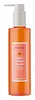
This phytic acid gel cleanser is formulated around Phytic Acid to exfoliate and smooth skin.
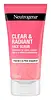
This smoothing exfoliator is formulated around Cellulose and Sodium Ascorbyl Phosphate to refine skin texture and brighten dull-looking skin.

What's inside
What's inside
 Key Ingredients
Benefits
Concerns
Ingredients Side-by-side
Water
Skin ConditioningSodium Cocoyl Glutamate
Cleansing
Glycerin
Humectant


Citric Acid
Buffering


Disodium Cocoamphodiacetate
CleansingDecyl Glucoside
Cleansing
Xanthan Gum
EmulsifyingGlucose
Humectant
Phytic Acid

Bromelain
Skin Conditioning
Papain
Skin Conditioning
Aloe Barbadensis Leaf Juice
Skin Conditioning
Sodium Glycolate
BufferingCitrus Aurantium Dulcis Fruit Water
MaskingAnanas Sativus Fruit Extract
Skin ConditioningCarica Papaya Fruit Extract
Skin ConditioningMangifera Indica Fruit Extract
Skin ConditioningAscorbic Acid
Antioxidant


3-O-Ethyl Ascorbic Acid
Skin Conditioning
Lecithin
Emollient
Tocopherol
Antioxidant
Haematococcus Pluvialis Extract
Antioxidant
Sucrose Stearate
EmollientSodium Hyaluronate
Humectant
Helianthus Annuus Seed Oil
Emollient

Polyglyceryl-10 Laurate
Skin Conditioning
Caprylic/Capric Triglyceride
Masking
Sodium Chloride
MaskingEthylhexylglycerin
Skin ConditioningSodium Benzoate
Masking
Potassium Sorbate
Preservative
Phenoxyethanol
Preservative
Water, Sodium Cocoyl Glutamate, Glycerin, Citric Acid, Disodium Cocoamphodiacetate, Decyl Glucoside, Xanthan Gum, Glucose, Phytic Acid, Bromelain, Papain, Aloe Barbadensis Leaf Juice, Sodium Glycolate, Citrus Aurantium Dulcis Fruit Water, Ananas Sativus Fruit Extract, Carica Papaya Fruit Extract, Mangifera Indica Fruit Extract, Ascorbic Acid, 3-O-Ethyl Ascorbic Acid, Lecithin, Tocopherol, Haematococcus Pluvialis Extract, Sucrose Stearate, Sodium Hyaluronate, Helianthus Annuus Seed Oil, Polyglyceryl-10 Laurate, Caprylic/Capric Triglyceride, Sodium Chloride, Ethylhexylglycerin, Sodium Benzoate, Potassium Sorbate, Phenoxyethanol
Glycerin
Humectant
Sodium Laureth Sulfate
Cleansing



Cellulose
Absorbent
Lauryl Glucoside
CleansingAcrylates/C10-30 Alkyl Acrylate Crosspolymer
Emulsion StabilisingCitrus Grandis Fruit Extract
Astringent
Propylene Glycol
Humectant
Sodium Benzotriazolyl Butylphenol Sulfonate
UV AbsorberDisodium EDTA
Citric Acid
Buffering
Sodium Hydroxide
BufferingSodium Ascorbyl Phosphate
Antioxidant
Sodium Benzoate
Masking
Parfum
Masking
CI 16035
Cosmetic ColorantCI 60725
Cosmetic ColorantGlycerin, Sodium Laureth Sulfate, Cellulose, Lauryl Glucoside, Acrylates/C10-30 Alkyl Acrylate Crosspolymer, Citrus Grandis Fruit Extract, Propylene Glycol, Sodium Benzotriazolyl Butylphenol Sulfonate, Disodium EDTA, Citric Acid, Sodium Hydroxide, Sodium Ascorbyl Phosphate, Sodium Benzoate, Parfum, CI 16035, CI 60725
Ingredients Explained
These ingredients are found in both products.
Ingredients higher up in an ingredient list are typically present in a larger amount.
Citric Acid is an alpha hydroxy acid (AHA) naturally found in citrus fruits like oranges, lemons, and limes.
Like other AHAs, citric acid can exfoliate skin by breaking down the bonds that hold dead skin cells together. This helps reveal smoother and brighter skin underneath.
However, this exfoliating effect only happens at high concentrations (20%) which can be hard to find in cosmetic products.
Due to this, citric acid is usually included in small amounts as a pH adjuster. This helps keep products slightly more acidic and compatible with skin's natural pH.
In skincare formulas, citric acid can:
While it can provide some skin benefits, research shows lactic acid and glycolic acid are generally more effective and less irritating exfoliants.
Most citric acid used in skincare today is made by fermenting sugars (usually from molasses). This synthetic version is identical to the natural citrus form but easier to stabilize and use in formulations.
Rosacea skin has a lower threshold for acids generally, with 62.5% of rosacea subjects in one study reacting to lactic acid in a sting test. This is why we mark citric acid as a potential rosacea trigger.
However, this ingredient shows up as a pH adjuster or chelator at roughly 0.1-1% in many products. These low levels are unlikely to be an issue for rosacea skin and becomes a potential trigger at exfoliating concentrations (20%). Because everybody's skin is unique, we recommend a patch test if you are unsure.
Learn more about Citric AcidGlycerin (or glycerol) is a compound naturally found in your skin. It's a powerhouse humectant that pulls water into the stratum corneum.
Topically, glycerin does several things at once:
Your skin makes glycerin on its own (mostly from sebaceous oil breakdown) and shuttles it to your outermost layer of skin, or your epidermis, via aquaporin-3.
Aquaporin-3 is a transporter that is essential for normal skin hydration, elasticity, and repair. Interestingly, mice lacking in AQP3 have dry and less elastic skin that can be fully corrected with glycerin.
This ingredient is non-irritating, plays well with almost every ingredient, and works across all skin types. Typical use is anywhere between 3-10% but can go up to 79% in some leave-on products.
Just know very high concentrations (>40%) can feel tacky in low humidity.
Glycerin is the name for this ingredient in American English. British English uses Glycerol/Glycerine.
Learn more about GlycerinSodium Benzoate is a preservative. It's used in both cosmetic and food products to inhibit the growth of mold and bacteria. It is typically produced synthetically.
Both the US FDA and EU Health Committee have approved the use of sodium benzoate. In the US, levels of 0.1% (of the total product) are allowed.
Sodium benzoate works as a preservative by inhibiting the growth of bacteria inside of cells. It prevents the cell from fermenting a type of sugar using an enzyme called phosphofructokinase.
It is the salt of benzoic acid. Foods containing sodium benzoate include soda, salad dressings, condiments, fruit juices, wines, and snack foods.
Studies for using ascorbic acid and sodium benzoate in cosmetics are lacking, especially in skincare routines with multiple steps.
We always recommend speaking with a professional, such as a dermatologist, if you have any concerns.
Learn more about Sodium Benzoate

