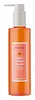
This phytic acid gel cleanser is formulated around Phytic Acid to exfoliate and smooth skin.
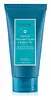
This benzoyl peroxide gel cleanser is formulated around Benzoyl Peroxide to clear breakouts and help reduce acne-causing bacteria.

What's inside
What's inside
 Key Ingredients
Benefits
Concerns
Ingredients Side-by-side
Water
Skin ConditioningSodium Cocoyl Glutamate
Cleansing
Glycerin
Humectant


Citric Acid
Buffering


Disodium Cocoamphodiacetate
CleansingDecyl Glucoside
Cleansing
Xanthan Gum
EmulsifyingGlucose
Humectant
Phytic Acid
Chelating
Bromelain
Skin Conditioning
Papain
Skin Conditioning
Aloe Barbadensis Leaf Juice
Skin Conditioning
Sodium Glycolate
BufferingCitrus Aurantium Dulcis Fruit Water
MaskingAnanas Sativus Fruit Extract
Skin ConditioningCarica Papaya Fruit Extract
Skin ConditioningMangifera Indica Fruit Extract
Skin ConditioningAscorbic Acid
Antioxidant


3-O-Ethyl Ascorbic Acid
Skin Conditioning
Lecithin
Emollient
Tocopherol
Antioxidant
Haematococcus Pluvialis Extract
Antioxidant
Sucrose Stearate
EmollientSodium Hyaluronate
Humectant
Helianthus Annuus Seed Oil
Emollient

Polyglyceryl-10 Laurate
Skin Conditioning
Caprylic/Capric Triglyceride
Masking
Sodium Chloride
MaskingEthylhexylglycerin
Skin ConditioningSodium Benzoate
Masking
Potassium Sorbate
Preservative
Phenoxyethanol
Preservative
Water, Sodium Cocoyl Glutamate, Glycerin, Citric Acid, Disodium Cocoamphodiacetate, Decyl Glucoside, Xanthan Gum, Glucose, Phytic Acid, Bromelain, Papain, Aloe Barbadensis Leaf Juice, Sodium Glycolate, Citrus Aurantium Dulcis Fruit Water, Ananas Sativus Fruit Extract, Carica Papaya Fruit Extract, Mangifera Indica Fruit Extract, Ascorbic Acid, 3-O-Ethyl Ascorbic Acid, Lecithin, Tocopherol, Haematococcus Pluvialis Extract, Sucrose Stearate, Sodium Hyaluronate, Helianthus Annuus Seed Oil, Polyglyceryl-10 Laurate, Caprylic/Capric Triglyceride, Sodium Chloride, Ethylhexylglycerin, Sodium Benzoate, Potassium Sorbate, Phenoxyethanol
Benzoyl Peroxide 5%





Water
Skin ConditioningSodium Cocoyl Isethionate
Cleansing
Cocamidopropyl Betaine
Cleansing
Glycerin
Humectant
Cocamidopropyl Hydroxysultaine
Cleansing
Acetyl Glucosamine
Skin Conditioning
Aloe Barbadensis Leaf Juice
Skin Conditioning
Sodium Methyl Cocoyl Taurate
Cleansing
Xylitol
Humectant
Xanthan Gum
EmulsifyingAcrylates/C10-30 Alkyl Acrylate Crosspolymer
Emulsion StabilisingPhenoxyethanol
Preservative
Sodium Benzoate
Masking
Sodium Phosphate
BufferingSodium Citrate
BufferingPropanediol
Solvent
Diethylhexyl Sodium Sulfosuccinate
CleansingCarbomer
Emulsion StabilisingSodium Hydroxide
BufferingBenzoyl Peroxide 5%, Water, Sodium Cocoyl Isethionate, Cocamidopropyl Betaine, Glycerin, Cocamidopropyl Hydroxysultaine, Acetyl Glucosamine, Aloe Barbadensis Leaf Juice, Sodium Methyl Cocoyl Taurate, Xylitol, Xanthan Gum, Acrylates/C10-30 Alkyl Acrylate Crosspolymer, Phenoxyethanol, Sodium Benzoate, Sodium Phosphate, Sodium Citrate, Propanediol, Diethylhexyl Sodium Sulfosuccinate, Carbomer, Sodium Hydroxide
Reviews
Ingredients Explained
These ingredients are found in both products.
Ingredients higher up in an ingredient list are typically present in a larger amount.
Aloe Barbadensis Leaf Juice is the filtered, stabilized liquid pressed from the inner gel of the aloe vera leaf.
In cosmetics, it shows up as either soothing active or a water-replacement base. It is roughly 98-99% water and the last 1-2% is an interesting mix of polysaccharides, amino acids, vitamins, minerals, and enzymes.
The polysaccharides do most of the work: they bind water at the skin surface for a light, non-greasy hydration boost. And one of the polysaccharides, glycomannan, is linked to fibroblast stimulation + collagen synthesis. This is also why aloe has such a long track record in wound and burn healing.
This ingredient is also calming with anti-inflammatory and mild antimicrobial activity, making it a great pick for sensitive, irritated, or post-sun skin.
Realistic expectations matter though; the solid evidence is mostly limited to hydration, soothing, and wound support. Deeper claims about anti-aging or sun protection are not well backed, and science reviews note it does not prevent radiation-induced skin injury.
Because it plays well with almost everything, it's commonly used as a base alongside other actives like niacinamide or vitamin C.
Typical usage concentrations range from 0.5% (where hydration benefits already show up) all the way to 90%+ (where it replaces water as the main base).
The safety for this ingredient is well-establish as well. Overall, this is a great supporting ingredient for those who want a boost in hydration.
Learn more about Aloe Barbadensis Leaf JuiceGlycerin (or glycerol) is a compound naturally found in your skin. It's a powerhouse humectant that pulls water into the stratum corneum.
Topically, glycerin does several things at once:
Your skin makes glycerin on its own (mostly from sebaceous oil breakdown) and shuttles it to your outermost layer of skin, or your epidermis, via aquaporin-3.
Aquaporin-3 is a transporter that is essential for normal skin hydration, elasticity, and repair. Interestingly, mice lacking in AQP3 have dry and less elastic skin that can be fully corrected with glycerin.
This ingredient is non-irritating, plays well with almost every ingredient, and works across all skin types. Typical use is anywhere between 3-10% but can go up to 79% in some leave-on products.
Just know very high concentrations (>40%) can feel tacky in low humidity.
Glycerin is the name for this ingredient in American English. British English uses Glycerol/Glycerine.
Learn more about GlycerinPhenoxyethanol is one of the most widely used preservatives in skincare (and for good reason!).
It has a large spectrum of antimicrobial activity and especially effective bacteria, yeast, and mold while only having a weak effect on your skin's natural microbiome.
On a cellular level, it disrupts the cell membranes of microbes by poking holes that make the cell leak. This shuts down the chemical reactions the microbe needs to make energy so it can no longer survive.
Another perk of this ingredient is that it stays functional across a wide pH range (3-10).
You'll often see it paired with boosters like Ethylhexylglycerin; one study showed that a 1:9 ratio of Ethylhexylglycerin to Phenoxyethanol damages bacterial membranes as effectively as doubling the Phenoxyethanol concentration on its own.
Typical use concentrations range from 0.3-1% depending on the formula, and this ingredient is capped at 1% int the EU.
Safety-wise, the fear mongering does not hold up to the evidence. The EU's Scientific Committee on Consumer Safety and FDA consider it safe as a preservative at up to 1%, including for children of all ages.
Adverse systemic effects only showed up in animal studies at exposures roughly 200x higher than what people get from cosmetics. And despite its very widespread use, this ingredient is a rare sensitizer and allergic reactions are uncommon.
Learn more about PhenoxyethanolSodium Benzoate is a preservative. It's used in both cosmetic and food products to inhibit the growth of mold and bacteria. It is typically produced synthetically.
Both the US FDA and EU Health Committee have approved the use of sodium benzoate. In the US, levels of 0.1% (of the total product) are allowed.
Sodium benzoate works as a preservative by inhibiting the growth of bacteria inside of cells. It prevents the cell from fermenting a type of sugar using an enzyme called phosphofructokinase.
It is the salt of benzoic acid. Foods containing sodium benzoate include soda, salad dressings, condiments, fruit juices, wines, and snack foods.
Studies for using ascorbic acid and sodium benzoate in cosmetics are lacking, especially in skincare routines with multiple steps.
We always recommend speaking with a professional, such as a dermatologist, if you have any concerns.
Learn more about Sodium BenzoateWater. It's the most common cosmetic ingredient of all. You'll usually see it at the top of ingredient lists, meaning that it makes up the largest part of the product.
So why is it so popular? Water most often acts as a solvent - this means that it helps dissolve other ingredients into the formulation.
You'll also recognize water as that liquid we all need to stay alive. If you see this, drink a glass of water. Remember to stay hydrated!
Learn more about WaterXanthan gum is used as a stabilizer and thickener within cosmetic products. It helps give products a sticky, thick feeling - preventing them from being too runny.
On the technical side of things, xanthan gum is a polysaccharide - a combination consisting of multiple sugar molecules bonded together.
Xanthan gum is a pretty common and great ingredient. It is a natural, non-toxic, non-irritating ingredient that is also commonly used in food products.
Learn more about Xanthan Gum

