

What's inside
What's inside
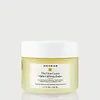 Key Ingredients
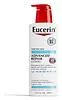
No key ingredients
Benefits
Concerns
Ingredients Side-by-side
Water
Skin ConditioningOryza Sativa Bran Oil
Emollient



Caprylic/Capric Triglyceride
Masking

Cocos Nucifera Oil
Masking



Carthamus Tinctorius Seed Oil
Masking
Butyrospermum Parkii Butter
Skin Conditioning
Glycerin
Humectant
Glyceryl Stearate
Emollient
Coco-Caprylate/Caprate
Emollient
Sodium Acrylate/Sodium Acryloyldimethyl Taurate Copolymer
Emulsion StabilisingC15-19 Alkane
SolventPyrus Malus Fruit Extract
Skin Conditioning
Cocos Nucifera Fruit Extract
Emollient
Rosa Canina Fruit Oil
Emollient
Simmondsia Chinensis Seed Oil
Emollient
Squalane
Emollient
Hydrolyzed Rice Protein
Skin ConditioningHippophae Rhamnoides Fruit/Seed Oil
Antimicrobial
Stearyl Phosphate
Emulsifying
Potassium Cetyl Phosphate
EmulsifyingGamma-Decalactone
Perfuming
Gamma-Nonalactone
Masking
Vanillin
Masking



Vanilla Planifolia Fruit Extract
Skin Conditioning
Sodium Hydroxide
BufferingSodium Benzoate
Masking
Citric Acid
Buffering

Tetrasodium Glutamate Diacetate
Ethylhexylglycerin
Skin ConditioningLauryl Glucoside
CleansingLimonene
Perfuming
Phenoxyethanol
Preservative
Water, Oryza Sativa Bran Oil, Caprylic/Capric Triglyceride, Cocos Nucifera Oil, Carthamus Tinctorius Seed Oil, Butyrospermum Parkii Butter, Glycerin, Glyceryl Stearate, Coco-Caprylate/Caprate, Sodium Acrylate/Sodium Acryloyldimethyl Taurate Copolymer, C15-19 Alkane, Pyrus Malus Fruit Extract, Cocos Nucifera Fruit Extract, Rosa Canina Fruit Oil, Simmondsia Chinensis Seed Oil, Squalane, Hydrolyzed Rice Protein, Hippophae Rhamnoides Fruit/Seed Oil, Stearyl Phosphate, Potassium Cetyl Phosphate, Gamma-Decalactone, Gamma-Nonalactone, Vanillin, Vanilla Planifolia Fruit Extract, Sodium Hydroxide, Sodium Benzoate, Citric Acid, Tetrasodium Glutamate Diacetate, Ethylhexylglycerin, Lauryl Glucoside, Limonene, Phenoxyethanol
Glycerin
Humectant
Urea
Buffering

Cetearyl Alcohol
Emollient
Glyceryl Glucoside
Humectant
Cyclomethicone
Emollient
Sodium Lactate
Buffering
Butyrospermum Parkii Butter
Skin Conditioning
Caprylic/Capric Triglyceride
Masking
Methylpropanediol
SolventOctyldodecanol
Emollient
Dicaprylyl Ether
Emollient
Tapioca Starch
Glyceryl Stearate Se
Emulsifying
Hydrogenated Coco-Glycerides
Emollient
Arginine Hcl
Skin ConditioningSodium PCA
Humectant
Dimethiconol
Emollient
Lactic Acid
Buffering


Carnitine
Cleansing
Ceramide NP
Skin Conditioning
Mannitol
Humectant
Serine
Masking
Sucrose
Humectant
Citrulline
Skin ConditioningGlycogen
HumectantAlanine
Masking
Threonine
Glutamic Acid
Humectant
Sodium Chloride
MaskingSodium Cetearyl Sulfate
Cleansing
1,2-Hexanediol
Skin Conditioning
Glycerin, Urea, Cetearyl Alcohol, Glyceryl Glucoside, Cyclomethicone, Sodium Lactate, Butyrospermum Parkii Butter, Caprylic/Capric Triglyceride, Methylpropanediol, Octyldodecanol, Dicaprylyl Ether, Tapioca Starch, Glyceryl Stearate Se, Hydrogenated Coco-Glycerides, Arginine Hcl, Sodium PCA, Dimethiconol, Lactic Acid, Carnitine, Ceramide NP, Mannitol, Serine, Sucrose, Citrulline, Glycogen, Alanine, Threonine, Glutamic Acid, Sodium Chloride, Sodium Cetearyl Sulfate, 1,2-Hexanediol
Reviews
Ingredients Explained
These ingredients are found in both products.
Ingredients higher up in an ingredient list are typically present in a larger amount.
This ingredient is also known as shea butter. It is a plant-derived extract from the nuts of the Africa shea tree and one of the most well-studied emollients.
Because it has a high concentration of fatty acids (primarily oleic, stearic, and linoleic) it is able to form a protective barrier on the skin's surface. This helps seal in moisture and prevents transepidermal water loss (TEWL).
In vitro research found an increase in skin hydration by 58% and a decrease in TEWL by 37.8% after 24 hours of applying this ingredient (pretty impressive for a single ingredient!).
Besides hydration, shea butter also contains triterpenes that have anti-inflammatory potential. In particule, lupeol cinnamate has shown the highest anti-inflammatory activity in vivo.
Shea butter also contains vitamins A and E which may contribute to antioxidant activity.
While Shea Butter has an SPF rating of about 3-4, it is not a sunscreen replacement.
This ingredient may not be fungal acne safe because its fatty acids fall within the C11-C24 range that the Malassezia yeast can metabolize.
Learn more about Butyrospermum Parkii ButterCaprylic/Capric Triglyceride (aka MCT Oil) is a lightweight emollient, solvent, and texture enhancer. It is considered a skin-softener by helping to prevent moisture loss.
Though it behaves like an oil, it is not technically one due to its chemical composition. One perk of this ingredient is that it is very stable, resistant to oxidation, and unlikely to go rancid.
In practice, that translates to a long shelf life and a consistently elegant skin feel.
While there is an assumption Caprylic Triglyceride can clog pores due to it being derived from coconut oil, there is no research supporting this. Just patch test if you have concerns.
Fractionated coconut oil and MCT Oil are both listed as Caprylic/Capric Triglyceride according to INCI. This is because INCI names are based on the ingredient’s final chemical composition and not its marketing name or source.
This ingredient is treated as the gold standard fungal acne safe oil. Even though it is coconut derived, the problematic lauric acid is stripped out.
This leaves just caprylic (C8) and capric (C10) acid. These chain lengths actually trend antifungal; a 2020 study found caprylic acid was enough to disrupt Malassezia furfur cell membrane, with a caprylic acid derivative damaging membrane structures at concentrations as low as 0.2%.
Learn more about Caprylic/Capric TriglycerideGlycerin (or glycerol) is a compound naturally found in your skin. It's a powerhouse humectant that pulls water into the stratum corneum.
Topically, glycerin does several things at once:
Your skin makes glycerin on its own (mostly from sebaceous oil breakdown) and shuttles it to your outermost layer of skin, or your epidermis, via aquaporin-3.
Aquaporin-3 is a transporter that is essential for normal skin hydration, elasticity, and repair. Interestingly, mice lacking in AQP3 have dry and less elastic skin that can be fully corrected with glycerin.
This ingredient is non-irritating, plays well with almost every ingredient, and works across all skin types. Typical use is anywhere between 3-10% but can go up to 79% in some leave-on products.
Just know very high concentrations (>40%) can feel tacky in low humidity.
Glycerin is the name for this ingredient in American English. British English uses Glycerol/Glycerine.
Learn more about Glycerin
