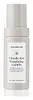
This smoothing serum is formulated around Glycolic Acid to refine skin texture and brighten dull-looking skin.
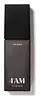
This brightening serum is formulated around 3-O-Ethyl Ascorbic Acid and Camellia Sinensis Leaf Extract to brighten dull-looking skin and hydrate skin.

What's inside
What's inside
 Key Ingredients
Benefits
Concerns
Ingredients Side-by-side
Water
Skin ConditioningGlycolic Acid
Buffering











Propanediol
Solvent

Sodium Hydroxide
BufferingGlycerin
Humectant
Polyacrylate Crosspolymer-11
Emulsion StabilisingVaccinium Myrtillus Fruit/Leaf Extract
AstringentSaccharum Officinarum Extract
MoisturisingCitrus Aurantium Dulcis Fruit Extract
MaskingCitrus Limon Fruit Extract
Masking
Acer Saccharum Extract
Skin ConditioningMicrocitrus Australis Fruit Extract
Skin ConditioningSodium Hyaluronate
Humectant

Hydroxyacetophenone
Antioxidant
Phenoxyethanol
Preservative
Hydroxyethylcellulose
Emulsion StabilisingTocopheryl Acetate
Antioxidant
Ethylhexylglycerin
Skin ConditioningDisodium EDTA
ChelatingTocopherol
Antioxidant
Water, Glycolic Acid, Propanediol, Sodium Hydroxide, Glycerin, Polyacrylate Crosspolymer-11, Vaccinium Myrtillus Fruit/Leaf Extract, Saccharum Officinarum Extract, Citrus Aurantium Dulcis Fruit Extract, Citrus Limon Fruit Extract, Acer Saccharum Extract, Microcitrus Australis Fruit Extract, Sodium Hyaluronate, Hydroxyacetophenone, Phenoxyethanol, Hydroxyethylcellulose, Tocopheryl Acetate, Ethylhexylglycerin, Disodium EDTA, Tocopherol
Water
Skin ConditioningCaprylic/Capric Triglyceride
Masking
Propanediol
Solvent
Glycerin
Humectant
Lespedeza Capitata Leaf/Stem Extract
Skin Conditioning3-O-Ethyl Ascorbic Acid
Skin Conditioning
Acer Saccharum Extract
Skin ConditioningCamellia Sinensis Leaf Extract
Antimicrobial
Citric Acid
Buffering
Citrus Aurantium Dulcis Fruit Extract
MaskingCitrus Limon Fruit Extract
Masking
Coffea Arabica Seed Extract
Masking
Ergothioneine
Antioxidant
Euterpe Oleracea Fruit Extract
Garcinia Mangostana Peel Extract
Skin ConditioningGossypium Herbaceum Callus Extract
Antioxidant
Helianthus Annuus Extract
Emollient
Hydrolyzed Sodium Hyaluronate
Skin Conditioning
Lycium Barbarum Fruit Extract
Astringent
Morinda Citrifolia Fruit Extract
Skin Conditioning
Oryza Sativa Bran Extract
Skin Conditioning
Punica Granatum Extract
AstringentRosmarinus Officinalis Leaf Extract
AntimicrobialSaccharum Officinarum Extract
MoisturisingTocopherol
Antioxidant
Vaccinium Myrtillus Fruit Extract
Skin ConditioningLecithin
Emollient
Potassium Hydroxide
BufferingXylitol
Humectant
Pentylene Glycol
Skin Conditioning
Ethylhexylglycerin
Skin ConditioningPolyacrylate Crosspolymer-6
Emulsion StabilisingXylitylglucoside
Humectant
Anhydroxylitol
Humectant
Arachidyl Alcohol
Emollient
Arachidyl Glucoside
EmulsifyingBehenyl Alcohol
Emollient
Caprylyl Glycol
Emollient
Water, Caprylic/Capric Triglyceride, Propanediol, Glycerin, Lespedeza Capitata Leaf/Stem Extract, 3-O-Ethyl Ascorbic Acid, Acer Saccharum Extract, Camellia Sinensis Leaf Extract, Citric Acid, Citrus Aurantium Dulcis Fruit Extract, Citrus Limon Fruit Extract, Coffea Arabica Seed Extract, Ergothioneine, Euterpe Oleracea Fruit Extract, Garcinia Mangostana Peel Extract, Gossypium Herbaceum Callus Extract, Helianthus Annuus Extract, Hydrolyzed Sodium Hyaluronate, Lycium Barbarum Fruit Extract, Morinda Citrifolia Fruit Extract, Oryza Sativa Bran Extract, Punica Granatum Extract, Rosmarinus Officinalis Leaf Extract, Saccharum Officinarum Extract, Tocopherol, Vaccinium Myrtillus Fruit Extract, Lecithin, Potassium Hydroxide, Xylitol, Pentylene Glycol, Ethylhexylglycerin, Polyacrylate Crosspolymer-6, Xylitylglucoside, Anhydroxylitol, Arachidyl Alcohol, Arachidyl Glucoside, Behenyl Alcohol, Caprylyl Glycol
Ingredients Explained
These ingredients are found in both products.
Ingredients higher up in an ingredient list are typically present in a larger amount.
We don't have a description for Acer Saccharum Extract yet.
Citrus Aurantium Dulcis Fruit Extract is more commonly known as the bitter orange. Native to Southeast Asia, this extract is commonly found in both cosmetics and foods.
The bitter orange possesses antibacterial and antioxidant properties.
It can also be mildly exfoliating due to the citric acid, an AHA.
Citrus fruits are rich in flavonoids, alkaloids, and vitamin C.
Learn more about Citrus Aurantium Dulcis Fruit ExtractCitrus Limon Fruit Extract comes from lemons. While lemon extract is exfoliating and antimicrobial, it can also cause skin sensitivity.
Lemons contains antioxidants, which may help with anti-aging. They are also rich in citric acid, an AHA.
And of course, lemons are rich in Vitamin C. Vitamin C helps with skin-brightening and increasing collagen production.
The acidity of lemons may work as an astringent for acne.
However, lemons can also cause skin sensitivity due to its limonene content. It can also increase photosensitivity, or sensitivity to the sun.
This ingredient is also used to add a lemon scent to products.
Learn more about Citrus Limon Fruit ExtractEthylhexylglycerin is created from glycerin. It is a multitasker ingredient that:
The CIR Expert Panel found minimal skin absorption or sensitization of any kind in a safety assessment. Though this ingredient is considered well-tolerated, a small number of cases of allergic dermatitis have been published since 2002. Just be sure to patch test if you are unsure.
Industry-reported use ranges from 8% in rinse-off products and 2% in leave-on formulations.
Learn more about EthylhexylglycerinGlycerin (or glycerol) is a compound naturally found in your skin. It's a powerhouse humectant that pulls water into the stratum corneum.
Topically, glycerin does several things at once:
Your skin makes glycerin on its own (mostly from sebaceous oil breakdown) and shuttles it to your outermost layer of skin, or your epidermis, via aquaporin-3.
Aquaporin-3 is a transporter that is essential for normal skin hydration, elasticity, and repair. Interestingly, mice lacking in AQP3 have dry and less elastic skin that can be fully corrected with glycerin.
This ingredient is non-irritating, plays well with almost every ingredient, and works across all skin types. Typical use is anywhere between 3-10% but can go up to 79% in some leave-on products.
Just know very high concentrations (>40%) can feel tacky in low humidity.
Glycerin is the name for this ingredient in American English. British English uses Glycerol/Glycerine.
Learn more about GlycerinPropanediol is an all-star ingredient. It softens, hydrates, and smooths the skin.
It’s often used to:
Propanediol is not likely to cause sensitivity and considered safe to use. It is derived from corn or petroleum with a clear color and no scent.
Learn more about PropanediolThis ingredient is also called sugarcane extract. It is a moisturizing humectant and has skin soothing properties.
Similar to hyaluronic acid, sugarcane can attract moisture to your skin.
Glycolic acid is a derivative of sugarcane. While glycolic acid is an AHA with exfoliating properties, sugarcane is not an AHA.
A study from 2021 found the compounds in sugarcane extract to have antioxidant, antimicrobial, and anti-inflammatory activity. The study also suggests these compounds can inhibit skin ageing enzymes and promote collagen synthesis.
Learn more about Saccharum Officinarum ExtractTocopherol is a fat-soluble antioxidant known as Vitamin E.
You'll find this ingredient in the vast majority of skincare (for good reason). It works to neutralize free radicals, or unstable molecules generated by UV exposure, pollution, and other environmental stressors, before they can cause oxidative damage to your skin cells.
Topically applied tocopherol has been shown to protect against UV damage by ramping up the skin's own natural defense enzymes.
It also acts as a skin conditioning agent; some studies show that regular topical use can improve the skin's water-binding capacity over 2-4 weeks.
This ingredient is especially loved for being a team player. When combined with Vitamin C, the photoprotective effect of both ingredients roughly doubles and the combo also helps reduce UV-induced DNA damage.
This ingredient has some brightening potential but it's more of a prevention ingredient than spot-fader. Cell studies show it can slow down melanin production but it's worth noting that it's not the most powerful brightener out there.
In formulations, it also serves as a stabilizer that helps protect other oxidation-prone ingredients from degrading.
Concentrations usually range from 0.1-1% in most leave-on products.
Learn more about TocopherolWater. It's the most common cosmetic ingredient of all. You'll usually see it at the top of ingredient lists, meaning that it makes up the largest part of the product.
So why is it so popular? Water most often acts as a solvent - this means that it helps dissolve other ingredients into the formulation.
You'll also recognize water as that liquid we all need to stay alive. If you see this, drink a glass of water. Remember to stay hydrated!
Learn more about Water

