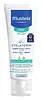
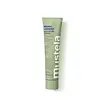
This barrier-repair moisturizer is formulated around Butyrospermum Parkii Butter and Ceramide NP to strengthen the skin barrier and hydrate skin.

What's inside
What's inside
 Key Ingredients
Benefits
Concerns
Ingredients Side-by-side
Water
Skin ConditioningPropanediol Dicaprylate
EmollientC10-18 Triglycerides
Emollient

Glycerin
Humectant


Triisostearin
Skin Conditioning
Glyceryl Stearate Citrate
Emollient
Ricinus Communis Seed Oil
Masking

Butyrospermum Parkii Butter
Skin Conditioning


Helianthus Annuus Seed Oil Unsaponifiables
Emollient
1,2-Hexanediol
Skin Conditioning
Cetyl Alcohol
Emollient

Polyacrylate Crosspolymer-6
Emulsion StabilisingSodium Stearoyl Glutamate
CleansingGlyceryl Caprylate
EmollientHydrogenated Castor Oil
Emollient
Sodium Citrate
BufferingCitric Acid
Buffering

Dipotassium Glycyrrhizate
Humectant

Tocopherol
Antioxidant



Persea Gratissima Fruit Extract
EmollientCeramide NP
Skin Conditioning
Phytosphingosine
Skin Conditioning
Water, Propanediol Dicaprylate, C10-18 Triglycerides, Glycerin, Triisostearin, Glyceryl Stearate Citrate, Ricinus Communis Seed Oil, Butyrospermum Parkii Butter, Helianthus Annuus Seed Oil Unsaponifiables, 1,2-Hexanediol, Cetyl Alcohol, Polyacrylate Crosspolymer-6, Sodium Stearoyl Glutamate, Glyceryl Caprylate, Hydrogenated Castor Oil, Sodium Citrate, Citric Acid, Dipotassium Glycyrrhizate, Tocopherol, Persea Gratissima Fruit Extract, Ceramide NP, Phytosphingosine
Water
Skin ConditioningPersea Gratissima Oil
Skin Conditioning
Caprylic/Capric Triglyceride
Masking
C10-18 Triglycerides
Emollient
Glycerin
Humectant
Cetyl Alcohol
Emollient
Polyglyceryl-3 Distearate
Emulsifying
Xanthan Gum
EmulsifyingLevulinic Acid
Perfuming
Glyceryl Stearate Citrate
Emollient
Sodium Benzoate
Masking
Sodium Stearoyl Glutamate
CleansingGellan Gum
Sodium Levulinate
Skin ConditioningTocopherol
Antioxidant
Helianthus Annuus Seed Oil
Emollient
Propanediol
Solvent
Aloe Barbadensis Leaf Juice Powder
Skin Conditioning
Persea Gratissima Fruit Extract
EmollientWater, Persea Gratissima Oil, Caprylic/Capric Triglyceride, C10-18 Triglycerides, Glycerin, Cetyl Alcohol, Polyglyceryl-3 Distearate, Xanthan Gum, Levulinic Acid, Glyceryl Stearate Citrate, Sodium Benzoate, Sodium Stearoyl Glutamate, Gellan Gum, Sodium Levulinate, Tocopherol, Helianthus Annuus Seed Oil, Propanediol, Aloe Barbadensis Leaf Juice Powder, Persea Gratissima Fruit Extract
Ingredients Explained
These ingredients are found in both products.
Ingredients higher up in an ingredient list are typically present in a larger amount.
C10-18 Triglycerides is a skin conditioning and texture-enhancer.
It is created from glycerin and a mixture of C10-18 fatty acids.
This ingredient improves spreadability and helps thicken a product.
According to manufacturers, it usually comes from vegetable-based saturated fatty acids. Common bases for this ingredient are coconut oil, palm kernel oil, or both.
Due to the melting point being close to skin temperature, it is usually used in lip products.
Triglycerides are a main component of fat in the human body.
Learn more about C10-18 TriglyceridesCetyl Alcohol is a fatty alcohol. Fatty Alcohols are most often used as an emollient or to thicken a product.
Its main roles are:
Though it has "alcohol" in the name, it is not related to denatured alcohol or ethyl alcohol.
The FDA allows products labeled "alcohol-free" to have fatty alcohols.
This ingredient may not be fungal acne safe. It is a primary fatty alcohol with a chain length above 12 carbons. A study from 2019 show Malassezia can feed on fatty alcohols in this range, so it may trigger fungal acne in those prone to it.
Learn more about Cetyl AlcoholGlycerin (or glycerol) is a compound naturally found in your skin. It's a powerhouse humectant that pulls water into the stratum corneum.
Topically, glycerin does several things at once:
Your skin makes glycerin on its own (mostly from sebaceous oil breakdown) and shuttles it to your outermost layer of skin, or your epidermis, via aquaporin-3.
Aquaporin-3 is a transporter that is essential for normal skin hydration, elasticity, and repair. Interestingly, mice lacking in AQP3 have dry and less elastic skin that can be fully corrected with glycerin.
This ingredient is non-irritating, plays well with almost every ingredient, and works across all skin types. Typical use is anywhere between 3-10% but can go up to 79% in some leave-on products.
Just know very high concentrations (>40%) can feel tacky in low humidity.
Glycerin is the name for this ingredient in American English. British English uses Glycerol/Glycerine.
Learn more about GlycerinGlyceryl Stearate Citrate is a citric acid ester of glyceryl stearate.
It is an emulsifier, emollient, and a surfactant.
Emulsifiers help stabilize a product. It does this by preventing certain ingredients from separating. Common ingredients include oils and water, which do not mix naturally. Emulsifiers have properties that help keep ingredients such as these together.
Emollients help soothe and soften the skin. They do this by creating a protective film on your skin. This barrier helps trap moisture and keeps your skin hydrated. Emollients may be effective at treating dry or itchy skin.
Surfactants help gather oils, dirt, and other pollutants from the skin. This helps them to be easily rinsed away.
Learn more about Glyceryl Stearate CitratePersea Gratissima Fruit Extract comes from the avocado.
Avocados are rich in fatty acids. About 67% of these fatty acids is made up of oleic acid. Palmitic acid and linoleic acid are also present.
Besides fatty acids, avocados also have B vitamins, vitamin K, vitamin C, vitamin E, and potassium.
Learn more about Persea Gratissima Fruit ExtractSodium Stearoyl Glutamate is an amino-acid based emulsifier. It is made by combining stearic acid with L-glutamic acid and neutralizing it to a sodium salt.
As an emulsifier, it works mainly as an oil-in-water one and helps keep the oil and water in your formulas blended. It also contributes to a smooth, non-greasy skin feel.
This ingredient is biodegradable and commonly available in natural/COSMOS-certified grades.
Learn more about Sodium Stearoyl GlutamateTocopherol is a fat-soluble antioxidant known as Vitamin E.
You'll find this ingredient in the vast majority of skincare (for good reason). It works to neutralize free radicals, or unstable molecules generated by UV exposure, pollution, and other environmental stressors, before they can cause oxidative damage to your skin cells.
Topically applied tocopherol has been shown to protect against UV damage by ramping up the skin's own natural defense enzymes.
It also acts as a skin conditioning agent; some studies show that regular topical use can improve the skin's water-binding capacity over 2-4 weeks.
This ingredient is especially loved for being a team player. When combined with Vitamin C, the photoprotective effect of both ingredients roughly doubles and the combo also helps reduce UV-induced DNA damage.
This ingredient has some brightening potential but it's more of a prevention ingredient than spot-fader. Cell studies show it can slow down melanin production but it's worth noting that it's not the most powerful brightener out there.
In formulations, it also serves as a stabilizer that helps protect other oxidation-prone ingredients from degrading.
Concentrations usually range from 0.1-1% in most leave-on products.
Learn more about TocopherolWater. It's the most common cosmetic ingredient of all. You'll usually see it at the top of ingredient lists, meaning that it makes up the largest part of the product.
So why is it so popular? Water most often acts as a solvent - this means that it helps dissolve other ingredients into the formulation.
You'll also recognize water as that liquid we all need to stay alive. If you see this, drink a glass of water. Remember to stay hydrated!
Learn more about Water

