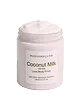
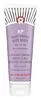
Murshmallow Coconut Milk Vanilla Luxe Body Polish Versus First Aid Beauty KP Bump Eraser Body Scrub With 10% AHA


What's inside
What's inside
 Key Ingredients
Benefits
Concerns
Ingredients Side-by-side
Cocos Nucifera Fruit Powder
Skin Conditioning
Vanilla Planifolia Fruit Extract
Skin Conditioning
Sea Salt
Abrasive

Bakuchiol
Antimicrobial








Centella Asiatica Extract
Cleansing
Resveratrol
Antioxidant
Squalane
Emollient
Hyaluronic Acid
Humectant
Arbutin
Antioxidant
Lactic Acid
Buffering



Kaolin
Abrasive
Butyrospermum Parkii Butter
Skin Conditioning


Citrus Paradisi Peel Oil
Masking



Portulaca Oleracea Extract
Skin Conditioning
Glycyrrhiza Glabra Root Extract
Bleaching
Betaine
Humectant
Niacinamide
Smoothing
Water
Skin ConditioningGlycerin
Humectant
Cetearyl Olivate
Caprylic/Capric Triglyceride
Masking
Beta-Glucan
Skin Conditioning
Palmitoyl Pentapeptide-4
Skin Conditioning
Avena Sativa Peptide
Skin Conditioning
Potassium Sorbate
Preservative
Cocos Nucifera Fruit Powder, Vanilla Planifolia Fruit Extract, Sea Salt, Bakuchiol, Centella Asiatica Extract, Resveratrol, Squalane, Hyaluronic Acid, Arbutin, Lactic Acid, Kaolin, Butyrospermum Parkii Butter, Citrus Paradisi Peel Oil, Portulaca Oleracea Extract, Glycyrrhiza Glabra Root Extract, Betaine, Niacinamide, Water, Glycerin, Cetearyl Olivate, Caprylic/Capric Triglyceride, Beta-Glucan, Palmitoyl Pentapeptide-4, Avena Sativa Peptide, Potassium Sorbate
Pumice
Abrasive
Water
Skin ConditioningGlycolic Acid
Buffering
Sodium Cocoyl Isethionate
Cleansing
Lactic Acid
Buffering
Dimethicone
Emollient
Stearic Acid
Cleansing
Cetearyl Alcohol
Emollient
Sodium Hydroxide
BufferingPalmitic Acid
Emollient
Glycerin
Humectant
C12-15 Alkyl Benzoate
AntimicrobialSorbitol
Humectant
Colloidal Oatmeal
Absorbent
Tocopherol
Antioxidant
Chrysanthemum Parthenium Extract
Skin ConditioningCamellia Sinensis Leaf Extract
Antimicrobial
Glycyrrhiza Glabra Root Extract
Bleaching
Salix Nigra Bark Extract
Skin ProtectingBisabolol
Antioxidant
Hydrogenated Coconut Acid
Emollient
Xanthan Gum
EmulsifyingSteareth-20
CleansingSteareth-21
CleansingMyristic Acid
Cleansing
Sodium Isethionate
CleansingPhenoxyethanol
Preservative
Potassium Sorbate
Preservative
Sodium Benzoate
Masking
Leuconostoc/Radish Root Ferment Filtrate
Antimicrobial
EDTA
ChelatingPumice, Water, Glycolic Acid, Sodium Cocoyl Isethionate, Lactic Acid, Dimethicone, Stearic Acid, Cetearyl Alcohol, Sodium Hydroxide, Palmitic Acid, Glycerin, C12-15 Alkyl Benzoate, Sorbitol, Colloidal Oatmeal, Tocopherol, Chrysanthemum Parthenium Extract, Camellia Sinensis Leaf Extract, Glycyrrhiza Glabra Root Extract, Salix Nigra Bark Extract, Bisabolol, Hydrogenated Coconut Acid, Xanthan Gum, Steareth-20, Steareth-21, Myristic Acid, Sodium Isethionate, Phenoxyethanol, Potassium Sorbate, Sodium Benzoate, Leuconostoc/Radish Root Ferment Filtrate, EDTA
Reviews
Alternatives
Ingredients Explained
These ingredients are found in both products.
Ingredients higher up in an ingredient list are typically present in a larger amount.
Glycerin (or glycerol) is a compound naturally found in your skin. It's a powerhouse humectant that pulls water into the stratum corneum.
Topically, glycerin does several things at once:
Your skin makes glycerin on its own (mostly from sebaceous oil breakdown) and shuttles it to your outermost layer of skin, or your epidermis, via aquaporin-3.
Aquaporin-3 is a transporter that is essential for normal skin hydration, elasticity, and repair. Interestingly, mice lacking in AQP3 have dry and less elastic skin that can be fully corrected with glycerin.
This ingredient is non-irritating, plays well with almost every ingredient, and works across all skin types. Typical use is anywhere between 3-10% but can go up to 79% in some leave-on products.
Just know very high concentrations (>40%) can feel tacky in low humidity.
Glycerin is the name for this ingredient in American English. British English uses Glycerol/Glycerine.
Learn more about GlycerinGlycyrrhiza Glabra Root Extract is an extract of the roots of Licorice. It has been found to have several benefits such as skin hydrating, conditioning, and soothing.
One component, glabridin, has extra potent antioxidant and soothing properties. It has also been found to block pigmentation from UVB rays in guinea pigs.
Licorice Root also contains a flavonoid. Flavonoids are a natural substance from in plants. Flavonoids also have antioxidant properties.
Another component, glycyrrhizin, has been found to have anti-inflammatory and antimicrobial benefits. This may make licorice root extract effective at treating acne. However, more research is needed to support this.
Liquiritin is one of the flavone compounds found in licorice. It has been found to help lighten skin by preventing tyrosinase from reacting with tyrosine. When the two react, protein is converted to melanin. Melanin is the substance in your body that gives your features pigmentation.
Learn more about Glycyrrhiza Glabra Root ExtractLactic Acid is another well-loved alpha hydroxy acid (AHA). It is gentler than glycolic acid but still highly effective.
Its main role is to exfoliate the surface of the skin by loosening the “glue” that holds dead skin cells together. Shedding those old cells leads to smoother, softer, and more even-toned skin.
Because lactic acid molecules are larger than glycolic acid, they don’t penetrate as deeply. This means they’re less likely to sting or irritate, making it a great choice for beginners or those with sensitive skin.
Like glycolic acid, it can:
Lactic acid also acts as a humectant (like hyaluronic acid). It can draw water into the skin to improve hydration and also plays a role in the skin's natural moisturizing factor (NMF) in the form of sodium lactate.
Studies show it can boost ceramide production to strengthen the skin barrier and even help balance the skin’s microbiome.
To get results, choose products with a pH between 3-4.
Lower strengths (5-12%) focus on surface exfoliation; higher strengths (12% and up) can reach deeper in the dermis (deeper, supportive layer) to improve skin texture and firmness over time.
Though it was originally derived from milk, most modern lactic acid used in skincare is vegan. It is made through non-dairy fermentation to create a bio-identical and stable form suitable for all formulations.
When lactic acid shows up near the end of an ingredient list, it usually means the brand added just a tiny amount to adjust the product’s pH.
Legend has it that Cleopatra used to bathe in sour milk to help reduce wrinkles.
Lactic acid is truly a gentle multitasker: it exfoliates, hydrates, strengthens, and brightens. It's a great ingredient for giving your skin a smooth, glowing, and healthy look without the harshness of stronger acids.
Read more about some other popular AHA's here:
Learn more about Lactic AcidPotassium Sorbate is a preservative used to prevent yeast and mold in products. It is commonly found in both cosmetic and food products.
This ingredient comes from potassium salt derived from sorbic acid. Sorbic acid is a natural antibiotic and effective against fungus.
Both potassium sorbate and sorbic acid can be found in baked goods, cheeses, dried meats, dried fruit, ice cream, pickles, wine, yogurt, and more.
You'll often find this ingredient used with other preservatives.
Learn more about Potassium SorbateWater. It's the most common cosmetic ingredient of all. You'll usually see it at the top of ingredient lists, meaning that it makes up the largest part of the product.
So why is it so popular? Water most often acts as a solvent - this means that it helps dissolve other ingredients into the formulation.
You'll also recognize water as that liquid we all need to stay alive. If you see this, drink a glass of water. Remember to stay hydrated!
Learn more about Water

