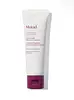
This calming treatment is formulated around Colloidal Oatmeal and Squalane to calm redness and strengthen the skin barrier.
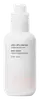
This mild gel cleanser is made to cleanse without leaving your skin tight or dry.

What's inside
What's inside
 Key Ingredients
Benefits
Concerns
Ingredients Side-by-side
Colloidal Oatmeal 5%
Absorbent


Water
Skin ConditioningSqualane
Emollient

Propanediol
Solvent
Cetearyl Olivate


Sorbitan Olivate
Emulsifying
Coco-Caprylate/Caprate
Emollient
Musa Sapientum Leaf Extract
Skin ConditioningCetyl Alcohol
Emollient
Avena Sativa Kernel Extract
Abrasive

Betaine
Humectant
Butyrospermum Parkii Butter
Skin Conditioning


Polyglyceryl-10 Myristate
Skin Conditioning
Hydrogenated Lecithin
Emulsifying
Physalis Pubescens Fruit Juice
Skin ConditioningAlbatrellus Confluens Extract
Humectant
Niacinamide
Smoothing







Allantoin
Skin Conditioning
Tocopherol
Antioxidant
Jojoba Esters
Emollient
Ethylhexylglycerin
Skin ConditioningCaprylic/Capric Triglyceride
Masking
Hectorite
AbsorbentCarbomer
Emulsion StabilisingCaprylhydroxamic Acid
Tetrasodium Glutamate Diacetate
Sodium Hydroxide
BufferingCitric Acid
Buffering
Chlorphenesin
Antimicrobial
Colloidal Oatmeal 5%, Water, Squalane, Propanediol, Cetearyl Olivate, Sorbitan Olivate, Coco-Caprylate/Caprate, Musa Sapientum Leaf Extract, Cetyl Alcohol, Avena Sativa Kernel Extract, Betaine, Butyrospermum Parkii Butter, Polyglyceryl-10 Myristate, Hydrogenated Lecithin, Physalis Pubescens Fruit Juice, Albatrellus Confluens Extract, Niacinamide, Allantoin, Tocopherol, Jojoba Esters, Ethylhexylglycerin, Caprylic/Capric Triglyceride, Hectorite, Carbomer, Caprylhydroxamic Acid, Tetrasodium Glutamate Diacetate, Sodium Hydroxide, Citric Acid, Chlorphenesin
Water
Skin ConditioningRosa Damascena Flower Water
Masking
PEG-7 Glyceryl Cocoate
Emulsifying
Propanediol
Solvent
Poloxamer 184
EmulsifyingAcrylamide/Sodium Acryloyldimethyltaurate Copolymer
Emulsion StabilisingIsohexadecane
EmollientXylitylglucoside
Humectant
Betaine
Humectant
Allantoin
Skin Conditioning
Glycerin
Humectant
Panthenol
Skin Conditioning
Symphytum Officinale Root Extract
Skin ConditioningSodium Hyaluronate
Humectant
Anhydroxylitol
Humectant
Polysorbate 80
Emulsifying
Xylitol
Humectant
Ammonium Polyacryloyldimethyl Taurate
Emulsion StabilisingIsopropyl Myristate
Emollient
Isopropyl Palmitate
Emollient
Sorbitan Oleate
Emulsifying
Benzoic Acid
Masking
Ethylhexylglycerin
Skin ConditioningPotassium Sorbate
Preservative
Sodium Benzoate
Masking
Citric Acid
Buffering
Sodium Hydroxide
BufferingWater, Rosa Damascena Flower Water, PEG-7 Glyceryl Cocoate, Propanediol, Poloxamer 184, Acrylamide/Sodium Acryloyldimethyltaurate Copolymer, Isohexadecane, Xylitylglucoside, Betaine, Allantoin, Glycerin, Panthenol, Symphytum Officinale Root Extract, Sodium Hyaluronate, Anhydroxylitol, Polysorbate 80, Xylitol, Ammonium Polyacryloyldimethyl Taurate, Isopropyl Myristate, Isopropyl Palmitate, Sorbitan Oleate, Benzoic Acid, Ethylhexylglycerin, Potassium Sorbate, Sodium Benzoate, Citric Acid, Sodium Hydroxide
Reviews
Ingredients Explained
These ingredients are found in both products.
Ingredients higher up in an ingredient list are typically present in a larger amount.
Allantoin is a soothing ingredient known for its protective and moisturizing properties; it's basically a quiet workhorse ingredient you can find in a huge range of cosmetics.
Though it can be derived from the comfrey plant, allantoin is produced synthetically for cosmetic products to ensure purity.
Research shows it can encourage your skin cells to turn over and renew by stimulating keratinocyte and fibroblast proliferation.
It also has mild keratolytic properties to help loosen and shed dead skin cells without being harsh.
Studies also suggest allantoin can help calm inflammation by dialing down some of the chemical signals your skin sends out when it is irritated.
This ingredient is typically used in the 0.1-0.5% range, and the FDA recognizes it as a skin protectant in OTC products up to 2%.
Overall, allantoin is a wonderful addition to most routines; it is stable across a wide pH range (~4-8), works well with other ingredients, and is considered non-sensitizing/non-irritating.
Fun fact: Allantoin is naturally occurring in comfrey root, beets, chamomile, and wheat sprouts. Our bodies even produce it as a byproduct of uric acid metabolism.
Learn more about AllantoinBetaine is a humectant. Like hyaluronic acid, it helps attract and retain moisture in the skin. It’s known for being gentle and for helping the skin maintain balanced hydration.
Betaine is mainly used to improve hydration and support calmer skin. It helps skin cells regulate water balance because it functions as an osmolyte.
Some studies suggest betaine may support making skin tone more even.
Fun fact: Betaine naturally exists in the skin and the body. In cosmetic products, it can be either plant-derived (most commonly from sugar beets) or synthetically produced for consistency and stability.
Betaine is also known as trimethylglycine.
Learn more about BetaineCitric Acid is an alpha hydroxy acid (AHA) naturally found in citrus fruits like oranges, lemons, and limes.
Like other AHAs, citric acid can exfoliate skin by breaking down the bonds that hold dead skin cells together. This helps reveal smoother and brighter skin underneath.
However, this exfoliating effect only happens at high concentrations (20%) which can be hard to find in cosmetic products.
Due to this, citric acid is usually included in small amounts as a pH adjuster. This helps keep products slightly more acidic and compatible with skin's natural pH.
In skincare formulas, citric acid can:
While it can provide some skin benefits, research shows lactic acid and glycolic acid are generally more effective and less irritating exfoliants.
Most citric acid used in skincare today is made by fermenting sugars (usually from molasses). This synthetic version is identical to the natural citrus form but easier to stabilize and use in formulations.
Read more about some other popular AHA's here:
Learn more about Citric AcidEthylhexylglycerin is created from glycerin. It is a multitasker ingredient that:
The CIR Expert Panel found minimal skin absorption or sensitization of any kind in a safety assessment. Though this ingredient is considered well-tolerated, a small number of cases of allergic dermatitis have been published since 2002. Just be sure to patch test if you are unsure.
Industry-reported use ranges from 8% in rinse-off products and 2% in leave-on formulations.
Learn more about EthylhexylglycerinPropanediol is an all-star ingredient. It softens, hydrates, and smooths the skin.
It’s often used to:
Propanediol is not likely to cause sensitivity and considered safe to use. It is derived from corn or petroleum with a clear color and no scent.
Learn more about PropanediolSodium Hydroxide is also known as lye or caustic soda. It is used to adjust the pH of products; many ingredients require a specific pH to be effective.
In small amounts, sodium hydroxide is considered safe to use. However, large amounts may cause chemical burns due to its high alkaline.
Your skin has a natural pH and acid mantle. This acid mantle helps prevent harmful bacteria from breaking through. The acid mantle also helps keep your skin hydrated.
"Alkaline" refers to a high pH level. A low pH level would be considered acidic.
Learn more about Sodium HydroxideWater. It's the most common cosmetic ingredient of all. You'll usually see it at the top of ingredient lists, meaning that it makes up the largest part of the product.
So why is it so popular? Water most often acts as a solvent - this means that it helps dissolve other ingredients into the formulation.
You'll also recognize water as that liquid we all need to stay alive. If you see this, drink a glass of water. Remember to stay hydrated!
Learn more about Water

