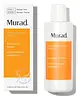
This brightening toner is formulated around Ascorbic Acid and Dipotassium Glycyrrhizate to brighten dull-looking skin and calm redness.
This pore-care toner is formulated around Salicylic Acid to refine the look of pores and balance excess oil.


What's inside
What's inside
 Key Ingredients
Benefits
Concerns
Ingredients Side-by-side
Water
Skin ConditioningButylene Glycol
Humectant

Hamamelis Virginiana Water
Astringent



PEG-40 Hydrogenated Castor Oil
Emulsifying

Sodium PCA
Humectant
Betaine
Humectant
Sorbitol
Humectant
Glycine
Buffering
Alanine
Masking
Proline
Skin Conditioning
Serine
Masking
Threonine
Arginine
Masking
Lysine
Skin ConditioningGlutamic Acid
Humectant
Rice Amino Acids
Skin Conditioning
Zinc Aspartate
Skin ConditioningDipotassium Glycyrrhizate
Humectant
PEG-12 Dimethicone
Skin Conditioning
Phospholipids
Skin Conditioning
Tocopheryl Acetate
Antioxidant


Retinyl Palmitate
Skin Conditioning

Ascorbyl Palmitate
Antioxidant
Ascorbic Acid
Antioxidant

Chitosan
Propyl Gallate
Antioxidant

Citrus Aurantium Amara Flower Extract
RefreshingEchinacea Purpurea Extract
MoisturisingCitrus Aurantium Dulcis Fruit Extract
MaskingSodium Polyaspartate
HumectantBenzophenone-4
UV Absorber
Polyquaternium-4
Disodium EDTA
ChelatingCitric Acid
Buffering
Phenoxyethanol
Preservative
Caprylyl Glycol
Emollient
Chlorphenesin
Antimicrobial
Limonene
Perfuming
Linalool
Perfuming
Citrus Aurantium Dulcis Peel Oil
Masking
Citrus Nobilis Peel Oil
Masking
Orbignya Oleifera Seed Oil
Emollient
Citrus Grandis Peel Oil
Masking
Ferula Galbaniflua Resin Oil
Antimicrobial
Parfum
Masking
CI 42053
Cosmetic ColorantWater, Butylene Glycol, Hamamelis Virginiana Water, PEG-40 Hydrogenated Castor Oil, Sodium PCA, Betaine, Sorbitol, Glycine, Alanine, Proline, Serine, Threonine, Arginine, Lysine, Glutamic Acid, Rice Amino Acids, Zinc Aspartate, Dipotassium Glycyrrhizate, PEG-12 Dimethicone, Phospholipids, Tocopheryl Acetate, Retinyl Palmitate, Ascorbyl Palmitate, Ascorbic Acid, Chitosan, Propyl Gallate, Citrus Aurantium Amara Flower Extract, Echinacea Purpurea Extract, Citrus Aurantium Dulcis Fruit Extract, Sodium Polyaspartate, Benzophenone-4, Polyquaternium-4, Disodium EDTA, Citric Acid, Phenoxyethanol, Caprylyl Glycol, Chlorphenesin, Limonene, Linalool, Citrus Aurantium Dulcis Peel Oil, Citrus Nobilis Peel Oil, Orbignya Oleifera Seed Oil, Citrus Grandis Peel Oil, Ferula Galbaniflua Resin Oil, Parfum, CI 42053
Water
Skin ConditioningAlcohol Denat.
Antimicrobial
Rosa Damascena Flower Water
Masking
Vitis Vinifera Fruit Water
Skin ConditioningCaprylyl/Capryl Glucoside
CleansingVitis Vinifera Juice
Antioxidant
Salicylic Acid
Masking



Cymbopogon Citratus Leaf Oil
Masking
Lavandula Hybrida Oil
Emollient
Melissa Officinalis Leaf Oil
Masking
Mentha Piperita Oil
Masking
Pelargonium Graveolens Flower Oil
Masking
Rosmarinus Officinalis Leaf Oil
Masking
Potassium Sorbate
Preservative
Sodium Benzoate
Masking
Sodium Phytate
ChelatingArginine
Masking
Citric Acid
Buffering
Citral
Perfuming
Citronellol
Perfuming
Geraniol
Perfuming
Limonene
Perfuming
Linalool
Perfuming
Water, Alcohol Denat., Rosa Damascena Flower Water, Vitis Vinifera Fruit Water, Caprylyl/Capryl Glucoside, Vitis Vinifera Juice, Salicylic Acid, Cymbopogon Citratus Leaf Oil, Lavandula Hybrida Oil, Melissa Officinalis Leaf Oil, Mentha Piperita Oil, Pelargonium Graveolens Flower Oil, Rosmarinus Officinalis Leaf Oil, Potassium Sorbate, Sodium Benzoate, Sodium Phytate, Arginine, Citric Acid, Citral, Citronellol, Geraniol, Limonene, Linalool
Reviews
Ingredients Explained
These ingredients are found in both products.
Ingredients higher up in an ingredient list are typically present in a larger amount.
Arginine is a semi-essential amino acid. This just means our bodies can product a bit on its own, but sometimes needs a little boost from food sources.
It is a part of your skin's natural moisturizing factor (NMF), or the water-loving molecules in your outermost layer of skin (stratum corneum) that keeps everything hydrated and happy.
Here's an interesting thing about Arginine: your skin converts it into urea through the Krebs-Henseleit urea cycle. Urea is one of the most effective humectants your skin naturally produces.
A clinical study showed applying 2.5% arginine hydrochloride to atopic dermatitis skin showed significant urea levels in the stratum corneum and improved moisture in just four weeks.
Arginine is also a precursor to nitric oxide; nitric oxide improves microcirculation and supports wound healing and collagen synthesis.
One study found that an amino acid complex containing Arginine reduced skin irritation, improved hydration, and accelerated skin repair in clinical / in-vivo studies.
Arginine itself is an amino acid and not a fatty acid, oil, or ester. On its own, it's not a direct food source for Malassezia, or the yeast that causes fungal acne.
Learn more about ArginineCitric Acid is an alpha hydroxy acid (AHA) naturally found in citrus fruits like oranges, lemons, and limes.
Like other AHAs, citric acid can exfoliate skin by breaking down the bonds that hold dead skin cells together. This helps reveal smoother and brighter skin underneath.
However, this exfoliating effect only happens at high concentrations (20%) which can be hard to find in cosmetic products.
Due to this, citric acid is usually included in small amounts as a pH adjuster. This helps keep products slightly more acidic and compatible with skin's natural pH.
In skincare formulas, citric acid can:
While it can provide some skin benefits, research shows lactic acid and glycolic acid are generally more effective and less irritating exfoliants.
Most citric acid used in skincare today is made by fermenting sugars (usually from molasses). This synthetic version is identical to the natural citrus form but easier to stabilize and use in formulations.
Rosacea skin has a lower threshold for acids generally, with 62.5% of rosacea subjects in one study reacting to lactic acid in a sting test. This is why we mark citric acid as a potential rosacea trigger.
However, this ingredient shows up as a pH adjuster or chelator at roughly 0.1-1% in many products. These low levels are unlikely to be an issue for rosacea skin and becomes a potential trigger at exfoliating concentrations (20%). Because everybody's skin is unique, we recommend a patch test if you are unsure.
Learn more about Citric AcidLimonene is the compound that gives citrus peel its smell.
In skincare, it shows up as a standalone fragrance ingredient or as a natural compound of citrus and other essential oils.
You'll typically see this ingredient used in very small amounts; anything above 0.001% in a leave-on product or 0.01% in a rinse-off has to be named on the label in the EU. The citrus oils that carry it sit around 0.5-1% in a finished formula.
Fresh limonene is a weak allergen; the real issue is that it slowly reacts with air and then breaks down from oxidation to create hydroperoxides (which are strong sensitizers). This is why suppliers are required to keep the peroxide value below 20 mmol.
Positive reactions in people being investigated for eczema vary:
It's worth skipping if you have a known fragrance allergy or a compromised barrier, but the risk is low for most people.
Older or long-opened products are also more likely to bother you than fresh ones due to oxidation.
Learn more about LimoneneLinalool is a small, naturally occurring scent molecule found in plants like lavender, coriander, bergamot, and more.
It is one of the two most-used fragrance ingredients in cosmetics and added purely for smell. Since it's not used for a skin benefit, there's no "effective dose". Concentration depends on the fragrance load of the product.
The EU requires it to be named on the label above 0.001% in leave-on and 0.01% in rinse-off products.
Fresh linalool is a weak sensitizer but air exposure turns some of it into hydroperoxides, which are strong sensitizers. Those oxidation products are the actual allergy concern.
Patch-test clinics see positive reactions to linalool hydroperoxides in about 4% to 12% of dermatitis patients depending on country and test concentration.
Resassuringly, one analytical study found hydroperoxide levels in real fragranced products to be orders of magnitude below what induced sensitization in animal studies with no evidence of oxidation building up during normal storage.
The practical takeaway is that linalool is fine for most people but worth avoiding if you have a confirmed fragrance contact allergy or a badly compromised barrier.
Products stored a long time after opening are also the high-risk scenario since that is when oxidation happens.
The scent of linalool is described as floral, spicy tropical, and citrus-like.
Learn more about LinaloolWater. It's the most common cosmetic ingredient of all. You'll usually see it at the top of ingredient lists, meaning that it makes up the largest part of the product.
So why is it so popular? Water most often acts as a solvent - this means that it helps dissolve other ingredients into the formulation.
You'll also recognize water as that liquid we all need to stay alive. If you see this, drink a glass of water. Remember to stay hydrated!
Learn more about Water

