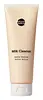
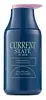
Moon Juice Milk Cleanse Gentle Foaming Cleanser Versus Current State Strawberry + Probiotic Balancing Gel Cleanser
This mild foaming cleanser is made to cleanse while calming and soothing your skin.
This mild gel cleanser is made to cleanse while calming and soothing your skin.

What's inside
What's inside
 Key Ingredients
Benefits
Concerns
Ingredients Side-by-side
Water
Skin ConditioningCoco-Betaine
Cleansing
Coco-Glucoside
Cleansing
Betaine
Humectant


Bentonite
Absorbent

Lactobacillus
Skin ConditioningGlycerin
Humectant
Coconut Alcohol
Emollient


Citric Acid
Buffering

Cocos Nucifera Fruit Extract
Emollient
Aloe Barbadensis Leaf Juice
Skin Conditioning
Polyglyceryl-10 Oleate
Skin Conditioning
Oryza Sativa Bran Oil
Emollient
Tocopherol
Antioxidant



Tocotrienols
Skin Conditioning
Ganoderma Lucidum Extract
Skin Protecting
Xanthan Gum
EmulsifyingTremella Fuciformis Sporocarp Extract
Antioxidant
Citrus Aurantium Bergamia Peel Oil
Perfuming





Geraniol
Perfuming
Mentha Piperita Flower/Leaf/Stem Oil
Skin Conditioning
Phenethyl Alcohol
MaskingRosa Damascena Extract
MaskingSalvia Sclarea Oil
Masking
Triethyl Citrate
Masking
Vetiveria Zizanoides Root Oil
Masking
Lonicera Caprifolium Flower Extract
Perfuming
Lonicera Japonica Flower Extract
Skin ConditioningWater, Coco-Betaine, Coco-Glucoside, Betaine, Bentonite, Lactobacillus, Glycerin, Coconut Alcohol, Citric Acid, Cocos Nucifera Fruit Extract, Aloe Barbadensis Leaf Juice, Polyglyceryl-10 Oleate, Oryza Sativa Bran Oil, Tocopherol, Tocotrienols, Ganoderma Lucidum Extract, Xanthan Gum, Tremella Fuciformis Sporocarp Extract, Citrus Aurantium Bergamia Peel Oil, Geraniol, Mentha Piperita Flower/Leaf/Stem Oil, Phenethyl Alcohol, Rosa Damascena Extract, Salvia Sclarea Oil, Triethyl Citrate, Vetiveria Zizanoides Root Oil, Lonicera Caprifolium Flower Extract, Lonicera Japonica Flower Extract
Water
Skin ConditioningAloe Barbadensis Leaf Juice
Skin Conditioning
Glycerin
Humectant
Decyl Glucoside
Cleansing
Caprylyl/Capryl Glucoside
CleansingXanthan Gum
EmulsifyingVitis Vinifera Seed Oil
Emollient
Fragaria Vesca Fruit Extract
AstringentLactobacillus
Skin ConditioningLactobacillus Ferment
Skin Conditioning
Lactobacillus Ferment Lysate
Skin Conditioning
Taraxacum Officinale Root Extract
Skin ConditioningCalendula Officinalis Flower Extract
Masking
Plantago Major Leaf Extract
Skin ConditioningCocos Nucifera Fruit Extract
Emollient
Althaea Officinalis Root Extract
Skin Conditioning
Leuconostoc/Radish Root Ferment Filtrate
Antimicrobial
Tocopherol
Antioxidant
Leuconostoc Ferment Filtrate
AntimicrobialMaltodextrin
Absorbent
Sodium Phytate
ChelatingCoco-Glucoside
Cleansing
Sodium Cocoyl Glutamate
Cleansing
Hydrogenated Palm Glycerides Citrate
Emollient
Glyceryl Oleate
Emollient
Tetrasodium EDTA
ChelatingCitric Acid
Buffering
Sodium Benzoate
Masking
Potassium Sorbate
Preservative
Water, Aloe Barbadensis Leaf Juice, Glycerin, Decyl Glucoside, Caprylyl/Capryl Glucoside, Xanthan Gum, Vitis Vinifera Seed Oil, Fragaria Vesca Fruit Extract, Lactobacillus, Lactobacillus Ferment, Lactobacillus Ferment Lysate, Taraxacum Officinale Root Extract, Calendula Officinalis Flower Extract, Plantago Major Leaf Extract, Cocos Nucifera Fruit Extract, Althaea Officinalis Root Extract, Leuconostoc/Radish Root Ferment Filtrate, Tocopherol, Leuconostoc Ferment Filtrate, Maltodextrin, Sodium Phytate, Coco-Glucoside, Sodium Cocoyl Glutamate, Hydrogenated Palm Glycerides Citrate, Glyceryl Oleate, Tetrasodium EDTA, Citric Acid, Sodium Benzoate, Potassium Sorbate
Reviews
Ingredients Explained
These ingredients are found in both products.
Ingredients higher up in an ingredient list are typically present in a larger amount.
Aloe Barbadensis Leaf Juice is the filtered, stabilized liquid pressed from the inner gel of the aloe vera leaf.
In cosmetics, it shows up as either soothing active or a water-replacement base. It is roughly 98-99% water and the last 1-2% is an interesting mix of polysaccharides, amino acids, vitamins, minerals, and enzymes.
The polysaccharides do most of the work: they bind water at the skin surface for a light, non-greasy hydration boost. And one of the polysaccharides, glycomannan, is linked to fibroblast stimulation + collagen synthesis. This is also why aloe has such a long track record in wound and burn healing.
This ingredient is also calming with anti-inflammatory and mild antimicrobial activity, making it a great pick for sensitive, irritated, or post-sun skin.
Realistic expectations matter though; the solid evidence is mostly limited to hydration, soothing, and wound support. Deeper claims about anti-aging or sun protection are not well backed, and science reviews note it does not prevent radiation-induced skin injury.
Because it plays well with almost everything, it's commonly used as a base alongside other actives like niacinamide or vitamin C.
Typical usage concentrations range from 0.5% (where hydration benefits already show up) all the way to 90%+ (where it replaces water as the main base).
The safety for this ingredient is well-establish as well. Overall, this is a great supporting ingredient for those who want a boost in hydration.
Learn more about Aloe Barbadensis Leaf JuiceCitric Acid is an alpha hydroxy acid (AHA) naturally found in citrus fruits like oranges, lemons, and limes.
Like other AHAs, citric acid can exfoliate skin by breaking down the bonds that hold dead skin cells together. This helps reveal smoother and brighter skin underneath.
However, this exfoliating effect only happens at high concentrations (20%) which can be hard to find in cosmetic products.
Due to this, citric acid is usually included in small amounts as a pH adjuster. This helps keep products slightly more acidic and compatible with skin's natural pH.
In skincare formulas, citric acid can:
While it can provide some skin benefits, research shows lactic acid and glycolic acid are generally more effective and less irritating exfoliants.
Most citric acid used in skincare today is made by fermenting sugars (usually from molasses). This synthetic version is identical to the natural citrus form but easier to stabilize and use in formulations.
Rosacea skin has a lower threshold for acids generally, with 62.5% of rosacea subjects in one study reacting to lactic acid in a sting test. This is why we mark citric acid as a potential rosacea trigger.
However, this ingredient shows up as a pH adjuster or chelator at roughly 0.1-1% in many products. These low levels are unlikely to be an issue for rosacea skin and becomes a potential trigger at exfoliating concentrations (20%). Because everybody's skin is unique, we recommend a patch test if you are unsure.
Learn more about Citric AcidCoco-Glucoside is a surfactant, or a cleansing ingredient. It is made from glucose and coconut oil.
Surfactants help gather dirt, oil, and other pollutants from your skin to be rinsed away.
This ingredient is considered gentle and non-comedogenic. However, it may still be irritating for some.
Learn more about Coco-GlucosideCocos Nucifera Fruit Extract comes from the meat of the coconut fruit. It is an emollient and skin conditioner with antioxidant properties.
Coconut fruit is naturally rich in amino acids, sugars, and nutrients including Vitamin C and small amounts of vitamin B. Malic acid can also be found in coconut fruit extract.
Glycerin (or glycerol) is a compound naturally found in your skin. It's a powerhouse humectant that pulls water into the stratum corneum.
Topically, glycerin does several things at once:
Your skin makes glycerin on its own (mostly from sebaceous oil breakdown) and shuttles it to your outermost layer of skin, or your epidermis, via aquaporin-3.
Aquaporin-3 is a transporter that is essential for normal skin hydration, elasticity, and repair. Interestingly, mice lacking in AQP3 have dry and less elastic skin that can be fully corrected with glycerin.
This ingredient is non-irritating, plays well with almost every ingredient, and works across all skin types. Typical use is anywhere between 3-10% but can go up to 79% in some leave-on products.
Just know very high concentrations (>40%) can feel tacky in low humidity.
Glycerin is the name for this ingredient in American English. British English uses Glycerol/Glycerine.
Learn more about GlycerinLactobacillus is the INCI name for the live, whole lactic bacteria culture itself and is classified as a skin conditioning agent.
It is the same genus of probiotic that you can find in yogurt or fermented foods and it shows up at low levels naturally on human skin.
This ingredient is more of a microbiome agent rather than an active; it helps rebalance the skin's microbial community.
The bacteria and their metabolites produce lactic acid and other antimicrobial compounds that crowd out the "bad bacteria". Research on Lactobacillus strains shows activity against pathogens and acne-causing bacteria.
One strain, Lactobacillus plantarum, has also been shown to boost collagen synthesis and lower melanin synthesis in lab and clinical observation.
The most eye-catching data comes from acne research, a topical cream with live lactobacilli was well-tolerated and improved skin hydration by 37.3% after 14 days of use and 45.6% after 28 days.
Sources for this ingredient are usually fermented substrates like dairy, soy, or rice.
In general, this is a low-irritation and well-tolerated ingredient that plays nice with most of your routine.
One thing to keep in mind is that live bacteria are hard to keep alive inside of a skincare product. They struggle to survive on the shelf and don't get along with the preservatives that stop products from spoiling.
That's why you'll see ferment and postbiotic forms instead, like Lactobacillus Ferment or Lactobacillus Ferment Lysate.
There isn't a fixed percentage for this ingredient since it is dosed by strain and viable count.
On the fungal acne front: Lactobacillus is a bacterium (not a fungus). The whole culture contains no fatty acids, esters, or oils that Malassezia can feed on so it is considered fungal acne safe.
Learn more about LactobacillusTocopherol is a fat-soluble antioxidant known as Vitamin E.
You'll find this ingredient in the vast majority of skincare (for good reason). It works to neutralize free radicals, or unstable molecules generated by UV exposure, pollution, and other environmental stressors, before they can cause oxidative damage to your skin cells.
Topically applied tocopherol has been shown to protect against UV damage by ramping up the skin's own natural defense enzymes.
It also acts as a skin conditioning agent; some studies show that regular topical use can improve the skin's water-binding capacity over 2-4 weeks.
This ingredient is especially loved for being a team player. When combined with Vitamin C, the photoprotective effect of both ingredients roughly doubles and the combo also helps reduce UV-induced DNA damage.
This ingredient has some brightening potential but it's more of a prevention ingredient than spot-fader. Cell studies show it can slow down melanin production but it's worth noting that it's not the most powerful brightener out there.
In formulations, it also serves as a stabilizer that helps protect other oxidation-prone ingredients from degrading.
Concentrations usually range from 0.1-1% in most leave-on products.
Learn more about TocopherolWater. It's the most common cosmetic ingredient of all. You'll usually see it at the top of ingredient lists, meaning that it makes up the largest part of the product.
So why is it so popular? Water most often acts as a solvent - this means that it helps dissolve other ingredients into the formulation.
You'll also recognize water as that liquid we all need to stay alive. If you see this, drink a glass of water. Remember to stay hydrated!
Learn more about WaterXanthan gum is used as a stabilizer and thickener within cosmetic products. It helps give products a sticky, thick feeling - preventing them from being too runny.
On the technical side of things, xanthan gum is a polysaccharide - a combination consisting of multiple sugar molecules bonded together.
Xanthan gum is a pretty common and great ingredient. It is a natural, non-toxic, non-irritating ingredient that is also commonly used in food products.
Learn more about Xanthan Gum

