This barrier-repair moisturizer is formulated around Xylitol and Squalane to strengthen the skin barrier and hydrate skin.
This calming emulsion is formulated around Camellia Sinensis Leaf Extract and Centella Asiatica Extract to calm redness and balance excess oil.


What's inside
What's inside
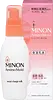 Key Ingredients
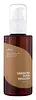
No key ingredients
Benefits
Concerns
Ingredients Side-by-side
Water
Skin ConditioningButylene Glycol
Humectant

Glycerin
Humectant
Xylitol
Humectant
Diisostearyl Malate
EmollientDimethicone
Emollient
Arachidyl Alcohol
Emollient
Behenyl Alcohol
Emollient
Pentylene Glycol
Skin Conditioning
Beeswax
Emulsion Stabilising




Hydroxyethyl Acrylate/Sodium Acryloyldimethyl Taurate Copolymer
Emulsion StabilisingGlyceryl Stearate
Emollient
Arachidyl Glucoside
EmulsifyingPhenoxyethanol
Preservative
Squalane
Emollient
Trimethylsiloxysilicate
Emollient
Cyclopentasiloxane
Emollient
Glyceryl Caprylate
EmollientPolysorbate 60
Emulsifying
Stearyl Glycyrrhetinate
Skin ConditioningXanthan Gum
EmulsifyingDimethiconol
Emollient
Carnosine
Skin Conditioning
Phytosteryl/Octyldodecyl Lauroyl Glutamate
Skin ConditioningHistidine
Humectant
Taurine
BufferingLysine Hcl
Skin Conditioning
Polyquaternium-61
Skin ConditioningGlutamic Acid
Humectant
Glycine
Buffering
Leucine
Skin ConditioningHistidine Hcl
Skin ConditioningSerine
Masking
Valine
MaskingSodium Aspartate
BufferingThreonine
Alanine
Masking
Isoleucine
Skin ConditioningAllantoin
Skin Conditioning
1,2-Hexanediol
Skin Conditioning
Phenylalanine
Masking
Hydrogenated Lecithin
Emulsifying
Arginine
Masking
Proline
Skin Conditioning
Polyglyceryl-10 Laurate
Skin Conditioning
Tyrosine
MaskingDisodium Inosinate
EmollientDisodium Guanylate
EmollientWater, Butylene Glycol, Glycerin, Xylitol, Diisostearyl Malate, Dimethicone, Arachidyl Alcohol, Behenyl Alcohol, Pentylene Glycol, Beeswax, Hydroxyethyl Acrylate/Sodium Acryloyldimethyl Taurate Copolymer, Glyceryl Stearate, Arachidyl Glucoside, Phenoxyethanol, Squalane, Trimethylsiloxysilicate, Cyclopentasiloxane, Glyceryl Caprylate, Polysorbate 60, Stearyl Glycyrrhetinate, Xanthan Gum, Dimethiconol, Carnosine, Phytosteryl/Octyldodecyl Lauroyl Glutamate, Histidine, Taurine, Lysine Hcl, Polyquaternium-61, Glutamic Acid, Glycine, Leucine, Histidine Hcl, Serine, Valine, Sodium Aspartate, Threonine, Alanine, Isoleucine, Allantoin, 1,2-Hexanediol, Phenylalanine, Hydrogenated Lecithin, Arginine, Proline, Polyglyceryl-10 Laurate, Tyrosine, Disodium Inosinate, Disodium Guanylate
Water
Skin ConditioningCamellia Sinensis Leaf Extract
Antimicrobial



Propanediol
Solvent
Caprylic/Capric Triglyceride
Masking
Glycerin
Humectant
Cetyl Ethylhexanoate
EmollientPolyglyceryl-3 Methylglucose Distearate
Emulsifying
Beeswax
Emulsion Stabilising
Ginkgo Biloba Leaf Extract
Skin Conditioning
Centella Asiatica Extract
Cleansing
Salix Alba Bark Extract
Astringent
Vaccinium Angustifolium Fruit Extract
Skin Protecting
Pinus Palustris Leaf Extract
TonicUlmus Davidiana Root Extract
Skin Conditioning
Oenothera Biennis Flower Extract
AstringentPueraria Lobata Root Extract
HumectantAllantoin
Skin Conditioning
Beta-Glucan
Skin Conditioning
Dipotassium Glycyrrhizate
Humectant
Acrylates/C10-30 Alkyl Acrylate Crosspolymer
Emulsion StabilisingXanthan Gum
EmulsifyingTromethamine
BufferingDisodium EDTA
1,2-Hexanediol
Skin Conditioning
Hydroxyacetophenone
Antioxidant
Water, Camellia Sinensis Leaf Extract, Propanediol, Caprylic/Capric Triglyceride, Glycerin, Cetyl Ethylhexanoate, Polyglyceryl-3 Methylglucose Distearate, Beeswax, Ginkgo Biloba Leaf Extract, Centella Asiatica Extract, Salix Alba Bark Extract, Vaccinium Angustifolium Fruit Extract, Pinus Palustris Leaf Extract, Ulmus Davidiana Root Extract, Oenothera Biennis Flower Extract, Pueraria Lobata Root Extract, Allantoin, Beta-Glucan, Dipotassium Glycyrrhizate, Acrylates/C10-30 Alkyl Acrylate Crosspolymer, Xanthan Gum, Tromethamine, Disodium EDTA, 1,2-Hexanediol, Hydroxyacetophenone
Reviews
Ingredients Explained
These ingredients are found in both products.
Ingredients higher up in an ingredient list are typically present in a larger amount.
1,2-Hexanediol is a synthetic liquid and another multi-functional powerhouse.
It is a:
- Humectant, drawing moisture into the skin
- Emollient, helping to soften skin
- Solvent, dispersing and stabilizing formulas
- Preservative booster, enhancing the antimicrobial activity of other preservatives
Allantoin is a soothing ingredient known for its protective and moisturizing properties; it's basically a quiet workhorse ingredient you can find in a huge range of cosmetics.
Though it can be derived from the comfrey plant, allantoin is produced synthetically for cosmetic products to ensure purity.
Research shows it can encourage your skin cells to turn over and renew by stimulating keratinocyte and fibroblast proliferation.
It also has mild keratolytic properties to help loosen and shed dead skin cells without being harsh.
Studies also suggest allantoin can help calm inflammation by dialing down some of the chemical signals your skin sends out when it is irritated.
This ingredient is typically used in the 0.1-0.5% range, and the FDA recognizes it as a skin protectant in OTC products up to 2%.
Overall, allantoin is a wonderful addition to most routines; it is stable across a wide pH range (~4-8), works well with other ingredients, and is considered non-sensitizing/non-irritating.
Fun fact: Allantoin is naturally occurring in comfrey root, beets, chamomile, and wheat sprouts. Our bodies even produce it as a byproduct of uric acid metabolism.
Learn more about AllantoinBeeswax is natural wax produced by honey bees to build their honeycomb.
Because it forms a protective layer on your skin, it can help lock in moisture and reduce water loss. It is also widely used as a thickener and emulsifier in lip balms and lotions. Research suggests beeswax containing moisturizers can support skin barrier integrity.
In comedogenic testing, Beeswax scored a 0-2, which is on the low end. Whether or not a product clogs your pores really comes down to the formula as a whole (not any single ingredient on its own) and your skin.
Cera Alba is the white, bleached form of this ingredient.
Just so you know, beeswax is not vegan since it is animal-derived. It cannot be removed with water, but can be taken off with an oil cleanser.
People with a known Propolis allergy also report to have reactions from beeswax.
Beeswax's wax esters are derived primarily from palmitic and oleic acid (C16 and C18:1). Both of these fall within the C11-C24 feeding window.
The Malassezia yeast can potentially cleave these esters and release usable fatty acids, so this ingredient may not be fungal acne safe. However, not everyone will react to this ingredient.
Learn more about BeeswaxGlycerin (or glycerol) is a compound naturally found in your skin. It's a powerhouse humectant that pulls water into the stratum corneum.
Topically, glycerin does several things at once:
Your skin makes glycerin on its own (mostly from sebaceous oil breakdown) and shuttles it to your outermost layer of skin, or your epidermis, via aquaporin-3.
Aquaporin-3 is a transporter that is essential for normal skin hydration, elasticity, and repair. Interestingly, mice lacking in AQP3 have dry and less elastic skin that can be fully corrected with glycerin.
This ingredient is non-irritating, plays well with almost every ingredient, and works across all skin types. Typical use is anywhere between 3-10% but can go up to 79% in some leave-on products.
Just know very high concentrations (>40%) can feel tacky in low humidity.
Glycerin is the name for this ingredient in American English. British English uses Glycerol/Glycerine.
Learn more about GlycerinWater. It's the most common cosmetic ingredient of all. You'll usually see it at the top of ingredient lists, meaning that it makes up the largest part of the product.
So why is it so popular? Water most often acts as a solvent - this means that it helps dissolve other ingredients into the formulation.
You'll also recognize water as that liquid we all need to stay alive. If you see this, drink a glass of water. Remember to stay hydrated!
Learn more about WaterXanthan gum is used as a stabilizer and thickener within cosmetic products. It helps give products a sticky, thick feeling - preventing them from being too runny.
On the technical side of things, xanthan gum is a polysaccharide - a combination consisting of multiple sugar molecules bonded together.
Xanthan gum is a pretty common and great ingredient. It is a natural, non-toxic, non-irritating ingredient that is also commonly used in food products.
Learn more about Xanthan Gum


