

What's inside
What's inside
 Key Ingredients
Benefits
Concerns
Ingredients Side-by-side
Water
Skin ConditioningDisodium Laureth Sulfosuccinate
CleansingGlycerin
Humectant


Cocamide Mea
Emulsifying
Disodium Cocoyl Glutamate
Cleansing
Cocamidopropyl Betaine
Cleansing


Glycol Distearate
Emollient
Sodium Lauryl Sulfoacetate
CleansingDimethiconol
Emollient
Sodium Lauroyl Sarcosinate
CleansingUndecylenoyl Glycine
CleansingCapryloyl Glycine
CleansingSodium Cocoyl Isethionate
Cleansing
Polyquaternium-7
Tocopheryl Acetate
Antioxidant


Salicylic Acid
Masking






Sodium Cocoate
Cleansing
Piroctone Olamine
Preservative
Climbazole
Antimicrobial
Acrylates Copolymer
Polyquaternium-10
Carbomer
Emulsion StabilisingHydroxypropyl Methylcellulose
Emulsion StabilisingPEG-45m
HumectantPhenoxyethanol
Preservative
Sodium Glutamate
MaskingSodium Hydroxide
BufferingTrisodium Ethylenediamine Disuccinate
Tea-Dodecylbenzenesulfonate
CleansingEthylhexylglycerin
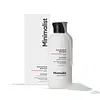
Skin ConditioningWater, Disodium Laureth Sulfosuccinate, Glycerin, Cocamide Mea, Disodium Cocoyl Glutamate, Cocamidopropyl Betaine, Glycol Distearate, Sodium Lauryl Sulfoacetate, Dimethiconol, Sodium Lauroyl Sarcosinate, Undecylenoyl Glycine, Capryloyl Glycine, Sodium Cocoyl Isethionate, Polyquaternium-7, Tocopheryl Acetate, Salicylic Acid, Sodium Cocoate, Piroctone Olamine, Climbazole, Acrylates Copolymer, Polyquaternium-10, Carbomer, Hydroxypropyl Methylcellulose, PEG-45m, Phenoxyethanol, Sodium Glutamate, Sodium Hydroxide, Trisodium Ethylenediamine Disuccinate, Tea-Dodecylbenzenesulfonate, Ethylhexylglycerin
Water
Skin ConditioningSodium Laureth Sulfate
Cleansing
Coco-Betaine
Cleansing
Glycol Distearate
Emollient
Glycerin
Humectant
Sodium Chloride
MaskingPPG-5-Ceteth-20
EmulsifyingCitric Acid
Buffering
Sodium Benzoate
Masking
Sodium Hydroxide
BufferingPiroctone Olamine
Preservative
Octyldodecanol
Emollient
Salicylic Acid
Masking
Guar Hydroxypropyltrimonium Chloride
Skin ConditioningCarbomer
Emulsion StabilisingPEG-55 Propylene Glycol Oleate
Surfactant
Propylene Glycol
Humectant
Menthoxypropanediol
Masking
Linalool
Perfuming

Limonene
Perfuming
Benzyl Alcohol
Perfuming

Fumaric Acid
BufferingCI 42090
Cosmetic ColorantParfum
Masking
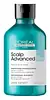
Water, Sodium Laureth Sulfate, Coco-Betaine, Glycol Distearate, Glycerin, Sodium Chloride, PPG-5-Ceteth-20, Citric Acid, Sodium Benzoate, Sodium Hydroxide, Piroctone Olamine, Octyldodecanol, Salicylic Acid, Guar Hydroxypropyltrimonium Chloride, Carbomer, PEG-55 Propylene Glycol Oleate, Propylene Glycol, Menthoxypropanediol, Linalool, Limonene, Benzyl Alcohol, Fumaric Acid, CI 42090, Parfum
Reviews
Ingredients Explained
These ingredients are found in both products.
Ingredients higher up in an ingredient list are typically present in a larger amount.
Carbomer is a synthetic thickening and gelling agent. It's basically the ingredient that gives a lot of serums, gels, creams, and sunscreens their smooth, non-sticky texture.
Although legally permitted at very high levels, carbomers are normally used at concentrations below 1%.
It also needs to be neutralized to actually thicken, and because it is a large molecule, it doesn't really penetrate the skin barrier.
Allergy-wise, the risk is very low. Clinical studies show carbomers have low potential for skin irritation/sensitization even at concentrations up to 100%.
A 2024 UK study patch-tested 1,302 patients and found true allergy to the parent group of carbomer to be rare with no confirmed relevant reactions.
Learn more about CarbomerGlycerin (or glycerol) is a compound naturally found in your skin. It's a powerhouse humectant that pulls water into the stratum corneum.
Topically, glycerin does several things at once:
Your skin makes glycerin on its own (mostly from sebaceous oil breakdown) and shuttles it to your outermost layer of skin, or your epidermis, via aquaporin-3.
Aquaporin-3 is a transporter that is essential for normal skin hydration, elasticity, and repair. Interestingly, mice lacking in AQP3 have dry and less elastic skin that can be fully corrected with glycerin.
This ingredient is non-irritating, plays well with almost every ingredient, and works across all skin types. Typical use is anywhere between 3-10% but can go up to 79% in some leave-on products.
Just know very high concentrations (>40%) can feel tacky in low humidity.
Glycerin is the name for this ingredient in American English. British English uses Glycerol/Glycerine.
Learn more about GlycerinGlycol Distearate is an emulsifier and emollient that adds a "pearly" appearance to formulations.
That lustrous look you see in many shampoos is due to this ingredient: when cooled, it crystallizes into small platelets that reflect light to give products that rich, shimmering look.
This ingredient is considered safe at present practices of use and concentration and repeated insult patch test with 50% Glycol Distearate on 125 subjects found no evidence of skin irritation, hypersensitivity, or acute toxicity.
Typical use concentrations range from 0.1-10%.
Because it's an ester of stearic acid, it falls into the range that Malassezia likes to metabolize. This ingredient may not be fungal acne safe.
Learn more about Glycol DistearatePiroctone Olamine is a synthetic antifungal and preservative ingredient.
Its main job is to keep the yeast, Malassezia, in check; this yeast is linked to dandruff, seborrheic dermatitis, and fungal acne (a.k.a. Malassezia folliculitis).
The way it works is pretty neat:
It slips into the fungal cell and grabs onto iron ions that the yeast needs for its energy metabolism; this basically starves it out. But the full mechanism isn't 100% pinned down and some research also points it to interfering with ergosterol (a building block of the fungal cell membrane).
Besides antifungal action, it also has mild anti-inflammatory and soothing effects to help calm itchiness in the scalp.
Typical usage concentrations are low. The EU permits it to be a preservative up to 1% in rinse-off products and 0.5% in leave-on products.
Though it's generally well-tolerated, a small number of people may notice itching or irritation (as with any active).
Learn more about Piroctone OlamineSalicylic Acid (also known as beta hydroxy acid or BHA) is a well-known ingredient for treating skin that struggles with acne and clogged pores. It exfoliates both the skin's surface and deep within the pores to help clear out buildup, control oil, and reduce inflammation.
Unlike AHAs (alpha hydroxy acids), salicylic acid is oil-soluble. This allows it to penetrate into pores which makes it especially effective for treating blackheads and preventing future breakouts.
Salicylic acid is also known for its soothing properties. It has a similar structure to aspirin and can calm inflamed or irritated skin, making it a good option for acne-prone skin that is also sensitive.
Concentrations of 0.5-2% are recognized by the U.S. FDA as an over-the-counter topical acne product.
It can cause irritation and/or dryness if one's skin already has a compromised moisture barrier, so it's best to focus on repairing that before introducing this ingredient into your routine.
While salicylic acid does not increase sun sensitivity, it’s still important to wear sunscreen daily to protect your skin.
If you are looking for the ingredient called BHA or Butylated Hydroxyanisole, click here.
Learn more about Salicylic AcidSodium Hydroxide is also known as lye or caustic soda. It is used to adjust the pH of products; many ingredients require a specific pH to be effective.
In small amounts, sodium hydroxide is considered safe to use. However, large amounts may cause chemical burns due to its high alkaline.
Your skin has a natural pH and acid mantle. This acid mantle helps prevent harmful bacteria from breaking through. The acid mantle also helps keep your skin hydrated.
"Alkaline" refers to a high pH level. A low pH level would be considered acidic.
Learn more about Sodium HydroxideWater. It's the most common cosmetic ingredient of all. You'll usually see it at the top of ingredient lists, meaning that it makes up the largest part of the product.
So why is it so popular? Water most often acts as a solvent - this means that it helps dissolve other ingredients into the formulation.
You'll also recognize water as that liquid we all need to stay alive. If you see this, drink a glass of water. Remember to stay hydrated!
Learn more about Water

