
What's inside
What's inside
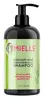 Key Ingredients
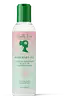
Benefits
Concerns
Ingredients Side-by-side
Water
Skin ConditioningSodium C14-16 Olefin Sulfonate
Cleansing

Cocamidopropyl Betaine
Cleansing

Polyquaternium-7
Cocamide Mipa
Emulsifying
Glycol Stearate
Emollient
Polyquaternium-10
Panthenol
Skin Conditioning




Propylene Glycol
Humectant
Mentha Piperita Oil
Masking




Rosmarinus Officinalis Leaf Oil
Masking
Disodium EDTA
ChelatingPhytantriol
HumectantOrbignya Oleifera Seed Oil
Emollient
Zingiber Officinale Root Oil
Masking
Cocos Nucifera Oil
Masking

Equisetum Arvense Extract
AstringentLawsonia Inermis Extract
Antimicrobial
Rosmarinus Officinalis Extract
AntimicrobialAnthemis Nobilis Flower Extract
Masking
Symphytum Officinale Callus Culture Extract
Skin ConditioningHumulus Lupulus Extract
AntimicrobialUrtica Dioica Extract
AstringentHoney
Humectant
Biotin
AntiseborrhoeicRicinus Communis Seed Oil
Masking
Phenoxyethanol
Preservative
Benzoic Acid
Masking
Ethylhexylglycerin
Skin ConditioningGlycereth-2 Cocoate
Emulsifying
Parfum
Masking
Water, Sodium C14-16 Olefin Sulfonate, Cocamidopropyl Betaine, Polyquaternium-7, Cocamide Mipa, Glycol Stearate, Polyquaternium-10, Panthenol, Propylene Glycol, Mentha Piperita Oil, Rosmarinus Officinalis Leaf Oil, Disodium EDTA, Phytantriol, Orbignya Oleifera Seed Oil, Zingiber Officinale Root Oil, Cocos Nucifera Oil, Equisetum Arvense Extract, Lawsonia Inermis Extract, Rosmarinus Officinalis Extract, Anthemis Nobilis Flower Extract, Symphytum Officinale Callus Culture Extract, Humulus Lupulus Extract, Urtica Dioica Extract, Honey, Biotin, Ricinus Communis Seed Oil, Phenoxyethanol, Benzoic Acid, Ethylhexylglycerin, Glycereth-2 Cocoate, Parfum
Glycerin
Humectant
Propanediol
Solvent
Olea Europaea Fruit Oil
Masking
PEG-40 Hydrogenated Castor Oil
Emulsifying
Rosmarinus Officinalis Leaf Oil
Masking
Honey
Humectant
Rosmarinus Officinalis Flower/Leaf/Stem Extract
MaskingWater
Skin ConditioningLactic Acid
Buffering






Glycolic Acid
Buffering

Vaccinium Myrtillus Fruit Extract
Skin ConditioningSaccharum Officinarum Extract
MoisturisingCitric Acid
Buffering
Citrus Aurantium Dulcis Fruit Extract
MaskingCitrus Limon Fruit Extract
Masking
Acer Saccharum Extract
Skin ConditioningTartaric Acid
Buffering
Malic Acid
Buffering
Mentha Piperita Oil
Masking
Phenoxyethanol
Preservative
Ethylhexylglycerin
Skin ConditioningCI 77288
Cosmetic ColorantCurcuma Longa Root Extract
Antioxidant
Spirulina Platensis Extract
Skin ProtectingGlycerin, Propanediol, Olea Europaea Fruit Oil, PEG-40 Hydrogenated Castor Oil, Rosmarinus Officinalis Leaf Oil, Honey, Rosmarinus Officinalis Flower/Leaf/Stem Extract, Water, Lactic Acid, Glycolic Acid, Vaccinium Myrtillus Fruit Extract, Saccharum Officinarum Extract, Citric Acid, Citrus Aurantium Dulcis Fruit Extract, Citrus Limon Fruit Extract, Acer Saccharum Extract, Tartaric Acid, Malic Acid, Mentha Piperita Oil, Phenoxyethanol, Ethylhexylglycerin, CI 77288, Curcuma Longa Root Extract, Spirulina Platensis Extract
Reviews
Ingredients Explained
These ingredients are found in both products.
Ingredients higher up in an ingredient list are typically present in a larger amount.
Ethylhexylglycerin is created from glycerin. It is a multitasker ingredient that:
The CIR Expert Panel found minimal skin absorption or sensitization of any kind in a safety assessment. Though this ingredient is considered well-tolerated, a small number of cases of allergic dermatitis have been published since 2002. Just be sure to patch test if you are unsure.
Industry-reported use ranges from 8% in rinse-off products and 2% in leave-on formulations.
Learn more about EthylhexylglycerinHoney mostly shows up in skincare as a humectant and skin conditioning agent. This is because its natural sugars (fructose and glucose) help hold onto water so skin feels softer and more hydrated.
Beyond hydration, honey also has antibacterial and wound-supporting properties. Its antibacterial action comes from a mix of things:
Manuka-type honey has an extra bacteria-killing compound called methylglyoxal, while all Honey contains a natural antibacterial protein called bee defensin-1.
Honey also nudges your immune cells to release signals that start the healing process. This is why medical-grade Honey is actually used in real wound dressings.
Just keep in mind that most of the strong clinical evidence is for wound care and not everyday cosmetic claims.
On concentrations and safety:
According to industry data, honey is used up to 22% in paste/mud packs, 7% as a honey extract in body/hand products, and face skincare levels sit well below that.
A human repeat insult patch test of 7% honey extract in 112 subjects showed no sensitization.
Allergy-wise, honey itself is a rare sensitizer. The bigger culprit is usually propolis that sometimes tags along in less-refined honey.
People allergic to propolis, conifer, poplar, salicylates, or Balsam of Peru are advised to avoid this ingredient due to shared allergens.
You might see this ingredient listed as either Honey or Mel (they're the same thing). Mel is simply the Latin word for honey.
A lot of people wonder if Honey is vegan, and technically it isn't.
Honey is made by bees; they gather nectar and their natural enzymes turn it into the Honey we know. So because it comes from an animal, it doesn't fit a vegan lifestyle.
And please remember to be kind to bees :). They're vital to so many ecosystems, and many species are struggling so they're worth protecting.
Learn more about HoneyThis essential oil is steam-distilled from peppermint leaves, also known as peppermint oil. It's mainly used for scent in skincare but also provides that signature "cooling" sensation.
Peppermint oil is a "feels amazing" ingredient until it doesn't.
At higher doses or for those with sensitive skin, methol-type cooling can quickly turn into burning/irritation. It can also trigger irritant dermatitis or even allergic contact dermatitis. In a large patch-test dataset, peppermint oil had a low but positive rate for this.
In cosmetics, Cosmetic Safety Reviews (CIR) concludes that peppermint oil is safe to use when formulated to be non-sensitizing with some restrictions; for instance, pulegone, a naturally occurring component of peppermint oil, should not exceed 1%.
Since peppermint oil contains fragrance allergens such as limonene, linalool, and menthol, it can be sensitizing for those with rosacea, eczema, a broken skin barrier, or just sensitive skin in general.
In Japan, this ingredient is known as Hakka Yu.
Learn more about Mentha Piperita OilPhenoxyethanol is one of the most widely used preservatives in skincare (and for good reason!).
It has a large spectrum of antimicrobial activity and especially effective bacteria, yeast, and mold while only having a weak effect on your skin's natural microbiome.
On a cellular level, it disrupts the cell membranes of microbes by poking holes that make the cell leak. This shuts down the chemical reactions the microbe needs to make energy so it can no longer survive.
Another perk of this ingredient is that it stays functional across a wide pH range (3-10).
You'll often see it paired with boosters like Ethylhexylglycerin; one study showed that a 1:9 ratio of Ethylhexylglycerin to Phenoxyethanol damages bacterial membranes as effectively as doubling the Phenoxyethanol concentration on its own.
Typical use concentrations range from 0.3-1% depending on the formula, and this ingredient is capped at 1% int the EU.
Safety-wise, the fear mongering does not hold up to the evidence. The EU's Scientific Committee on Consumer Safety and FDA consider it safe as a preservative at up to 1%, including for children of all ages.
Adverse systemic effects only showed up in animal studies at exposures roughly 200x higher than what people get from cosmetics. And despite its very widespread use, this ingredient is a rare sensitizer and allergic reactions are uncommon.
Learn more about PhenoxyethanolRosmarinus Officinalis Leaf Oil is an essential oil also known as rosemary essential oil. In skincare, it is a skin conditioning agent and also acts as a natural fragrance that gives products a fresh/herby smell.
The oil is a mix of over 100 volatile compounds with 1,8-cineole, α-pinene, camphor, and verbenone usually leading the pack.
Lab studies credit this oil with antioxidant, anti-inflammatory, and antimicrobial activity. Some research even show rosemary compounds calming acne-related inflammation.
The Cosmetic Ingredient Review (CIR) has concluded rosemary-derived ingredients to be safe when formulated to be nonsensitizing.
Since this is a fragrant essential oil, the main concern is for fragrance-sensitive folks.
Learn more about Rosmarinus Officinalis Leaf OilWater. It's the most common cosmetic ingredient of all. You'll usually see it at the top of ingredient lists, meaning that it makes up the largest part of the product.
So why is it so popular? Water most often acts as a solvent - this means that it helps dissolve other ingredients into the formulation.
You'll also recognize water as that liquid we all need to stay alive. If you see this, drink a glass of water. Remember to stay hydrated!
Learn more about Water

