
What's inside
What's inside
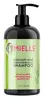 Key Ingredients
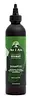
Benefits
Concerns
Ingredients Side-by-side
Water
Skin ConditioningSodium C14-16 Olefin Sulfonate
Cleansing

Cocamidopropyl Betaine
Cleansing

Polyquaternium-7
Cocamide Mipa
Emulsifying
Glycol Stearate
Emollient
Polyquaternium-10
Panthenol
Skin Conditioning




Propylene Glycol
Humectant
Mentha Piperita Oil
Masking




Rosmarinus Officinalis Leaf Oil
Masking
Disodium EDTA
ChelatingPhytantriol
HumectantOrbignya Oleifera Seed Oil
Emollient
Zingiber Officinale Root Oil
Masking
Cocos Nucifera Oil
Masking

Equisetum Arvense Extract
AstringentLawsonia Inermis Extract
Antimicrobial
Rosmarinus Officinalis Extract
AntimicrobialAnthemis Nobilis Flower Extract
Masking
Symphytum Officinale Callus Culture Extract
Skin ConditioningHumulus Lupulus Extract
AntimicrobialUrtica Dioica Extract
AstringentHoney
Humectant
Biotin
AntiseborrhoeicRicinus Communis Seed Oil
Masking
Phenoxyethanol
Preservative
Benzoic Acid
Masking
Ethylhexylglycerin
Skin ConditioningGlycereth-2 Cocoate
Emulsifying
Parfum
Masking
Water, Sodium C14-16 Olefin Sulfonate, Cocamidopropyl Betaine, Polyquaternium-7, Cocamide Mipa, Glycol Stearate, Polyquaternium-10, Panthenol, Propylene Glycol, Mentha Piperita Oil, Rosmarinus Officinalis Leaf Oil, Disodium EDTA, Phytantriol, Orbignya Oleifera Seed Oil, Zingiber Officinale Root Oil, Cocos Nucifera Oil, Equisetum Arvense Extract, Lawsonia Inermis Extract, Rosmarinus Officinalis Extract, Anthemis Nobilis Flower Extract, Symphytum Officinale Callus Culture Extract, Humulus Lupulus Extract, Urtica Dioica Extract, Honey, Biotin, Ricinus Communis Seed Oil, Phenoxyethanol, Benzoic Acid, Ethylhexylglycerin, Glycereth-2 Cocoate, Parfum
Water
Skin ConditioningDisodium Cocoamphodipropionate
CleansingBetaine
Humectant
Disodium Laureth Sulfosuccinate
CleansingCocamide Mipa
Emulsifying
Citric Acid
Buffering

Rosmarinus Officinalis Leaf Oil
Masking
Rosmarinus Officinalis Leaf Extract
AntimicrobialMentha Piperita Oil
Masking
Serenoa Serrulata Fruit Extract
Skin Conditioning
Phytosterols
Skin Conditioning
Inositol
Humectant
Ceramide NP
Skin Conditioning

Copper Tripeptide-1
Skin Conditioning
Biotin
AntiseborrhoeicMelatonin
Antioxidant
Sodium Salicylate
Preservative
Polyglyceryl-10 Laurate
Skin Conditioning
Potassium Olivate
EmulsifyingGlycerin
Humectant
Polyquaternium-7
Sodium Cocoyl Glutamate
Cleansing
Sodium Lauroyl Lactylate
EmulsifyingPolyquaternium-10
Menthol
Masking
Propanediol
Solvent
Caprylyl Glycol
Emollient
Ethylhexylglycerin
Skin Conditioning1,2-Hexanediol
Skin Conditioning
Potassium Sorbate
Preservative
Sodium Benzoate
Masking
Limonene
Perfuming
Linalool
Perfuming
Water, Disodium Cocoamphodipropionate, Betaine, Disodium Laureth Sulfosuccinate, Cocamide Mipa, Citric Acid, Rosmarinus Officinalis Leaf Oil, Rosmarinus Officinalis Leaf Extract, Mentha Piperita Oil, Serenoa Serrulata Fruit Extract, Phytosterols, Inositol, Ceramide NP, Copper Tripeptide-1, Biotin, Melatonin, Sodium Salicylate, Polyglyceryl-10 Laurate, Potassium Olivate, Glycerin, Polyquaternium-7, Sodium Cocoyl Glutamate, Sodium Lauroyl Lactylate, Polyquaternium-10, Menthol, Propanediol, Caprylyl Glycol, Ethylhexylglycerin, 1,2-Hexanediol, Potassium Sorbate, Sodium Benzoate, Limonene, Linalool
Reviews
Ingredients Explained
These ingredients are found in both products.
Ingredients higher up in an ingredient list are typically present in a larger amount.
Biotin is a B vitamin that is naturally produced by our bodies. It is also called Vitamin H.
Our bodies use biotin in the metabolism process. It also helps our bodies use enzymes and move nutrients around. A biotin deficiency can lead to brittle hair and nails.
More research is needed on applying biotin topically. However, taking biotin orally has been shown to help nourish the skin, hair, and nails. They play a role in forming skin-hydrating fatty acids.
Biotin is water-soluble. It can be found in foods such as fish, eggs, dairy, nuts, and meat. Vitamin H stands for "haar" and "haut". These are the German words for hair and skin.
Learn more about BiotinWe don't have a description for Cocamide Mipa yet.
Ethylhexylglycerin is created from glycerin. It is a multitasker ingredient that:
The CIR Expert Panel found minimal skin absorption or sensitization of any kind in a safety assessment. Though this ingredient is considered well-tolerated, a small number of cases of allergic dermatitis have been published since 2002. Just be sure to patch test if you are unsure.
Industry-reported use ranges from 8% in rinse-off products and 2% in leave-on formulations.
Learn more about EthylhexylglycerinThis essential oil is steam-distilled from peppermint leaves, also known as peppermint oil. It's mainly used for scent in skincare but also provides that signature "cooling" sensation.
Peppermint oil is a "feels amazing" ingredient until it doesn't.
At higher doses or for those with sensitive skin, methol-type cooling can quickly turn into burning/irritation. It can also trigger irritant dermatitis or even allergic contact dermatitis. In a large patch-test dataset, peppermint oil had a low but positive rate for this.
In cosmetics, Cosmetic Safety Reviews (CIR) concludes that peppermint oil is safe to use when formulated to be non-sensitizing with some restrictions; for instance, pulegone, a naturally occurring component of peppermint oil, should not exceed 1%.
Since peppermint oil contains fragrance allergens such as limonene, linalool, and menthol, it can be sensitizing for those with rosacea, eczema, a broken skin barrier, or just sensitive skin in general.
In Japan, this ingredient is known as Hakka Yu.
Learn more about Mentha Piperita OilPolyquaternium-10 is an ammonium salt of hydroxyethylcellulose. It is a white and granular powder used as a film-former and anti-static agent.
This ingredient is commonly found in hair conditioning products. According to a manufacturer, its positive charge makes it great for absorbing hair proteins. The manufacturer also states this ingredient helps with curl retention.
For haircare friends: this ingredient is not a silicone.
Learn more about Polyquaternium-10Polyquaternium-7 is a light to clear colored liquid. It is commonly found in haircare products for its film-forming and anti-static properties.
According to a manufacturer, it is a non-paraben and specially developed for negatively charged surfactant systems. This makes it a great hairstyle holder and helps to improve wet hair detangling without adding buildup.
Rosmarinus Officinalis Leaf Oil is an essential oil also known as rosemary essential oil. In skincare, it is a skin conditioning agent and also acts as a natural fragrance that gives products a fresh/herby smell.
The oil is a mix of over 100 volatile compounds with 1,8-cineole, α-pinene, camphor, and verbenone usually leading the pack.
Lab studies credit this oil with antioxidant, anti-inflammatory, and antimicrobial activity. Some research even show rosemary compounds calming acne-related inflammation.
The Cosmetic Ingredient Review (CIR) has concluded rosemary-derived ingredients to be safe when formulated to be nonsensitizing.
Since this is a fragrant essential oil, the main concern is for fragrance-sensitive folks.
Learn more about Rosmarinus Officinalis Leaf OilWater. It's the most common cosmetic ingredient of all. You'll usually see it at the top of ingredient lists, meaning that it makes up the largest part of the product.
So why is it so popular? Water most often acts as a solvent - this means that it helps dissolve other ingredients into the formulation.
You'll also recognize water as that liquid we all need to stay alive. If you see this, drink a glass of water. Remember to stay hydrated!
Learn more about Water

