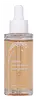
This pore-care serum is formulated around Niacinamide and Salicylic Acid to refine the look of pores and balance excess oil.
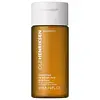
This acne toner is formulated around Salicylic Acid to clear breakouts and refine skin texture.


What's inside
What's inside
 Key Ingredients
Benefits
Concerns
Ingredients Side-by-side
Oryza Sativa Bran Water
Masking
Butylene Glycol
Humectant

Niacinamide
Smoothing










Glycosyl Trehalose
Emulsion StabilisingHydrogenated Starch Hydrolysate
HumectantSodium Hyaluronate
Humectant
Glycerin
Humectant
Panthenol
Skin Conditioning
Betaine
Humectant
PEG-60 Hydrogenated Castor Oil
Emulsifying


Sodium Hyaluronate Crosspolymer
Humectant
Hydroxypropyltrimonium Hyaluronate
Sodium Acetylated Hyaluronate
Humectant
Potassium Hyaluronate
Skin ConditioningHydrolyzed Hyaluronic Acid
Humectant
Hydrolyzed Sodium Hyaluronate
Skin Conditioning
Hyaluronic Acid
Humectant
Rheum Palmatum Root Extract
Astringent
Tromethamine
BufferingLactic Acid
Buffering


Salicylic Acid
Masking


Oryza Sativa Bran Extract
Skin Conditioning
Gluconolactone
Skin Conditioning
Diospyros Kaki Leaf Extract
Skin Protecting
Vitis Vinifera Fruit Extract
Skin ConditioningCoffea Arabica Seed Extract
Masking
Gossypium Herbaceum Flower Extract
HumectantPolygonum Cuspidatum Root Extract
Antioxidant
Camellia Sinensis Leaf Extract
Antimicrobial
Castanea Crenata Shell Extract
Skin ConditioningSchisandra Chinensis Fruit Extract
Skin Conditioning
Carbomer
Emulsion StabilisingAdenosine
Skin Conditioning
Ethylhexylglycerin
Skin ConditioningCaprylyl Glycol
Emollient
1,2-Hexanediol
Skin Conditioning
Oryza Sativa Bran Water, Butylene Glycol, Niacinamide, Glycosyl Trehalose, Hydrogenated Starch Hydrolysate, Sodium Hyaluronate, Glycerin, Panthenol, Betaine, PEG-60 Hydrogenated Castor Oil, Sodium Hyaluronate Crosspolymer, Hydroxypropyltrimonium Hyaluronate, Sodium Acetylated Hyaluronate, Potassium Hyaluronate, Hydrolyzed Hyaluronic Acid, Hydrolyzed Sodium Hyaluronate, Hyaluronic Acid, Rheum Palmatum Root Extract, Tromethamine, Lactic Acid, Salicylic Acid, Oryza Sativa Bran Extract, Gluconolactone, Diospyros Kaki Leaf Extract, Vitis Vinifera Fruit Extract, Coffea Arabica Seed Extract, Gossypium Herbaceum Flower Extract, Polygonum Cuspidatum Root Extract, Camellia Sinensis Leaf Extract, Castanea Crenata Shell Extract, Schisandra Chinensis Fruit Extract, Carbomer, Adenosine, Ethylhexylglycerin, Caprylyl Glycol, 1,2-Hexanediol
Salicylic Acid 2%
Masking
Water
Skin ConditioningJuniperus Communis Fruit Extract
Perfuming
Polysorbate 20
Emulsifying
Methylpropanediol
SolventLactobacillus/Salix Purpurea Bark Ferment Extract
AntiseborrhoeicButylene Glycol
Humectant
Glycerin
Humectant
Sodium Hydroxide
BufferingDecyl Glucoside
Cleansing
Menthyl Lactate
Masking
Lactobacillus Ferment
Skin Conditioning
Cucumis Sativus Fruit Extract
Emollient
Lauryl Glucoside
CleansingCitric Acid
Buffering
Lactic Acid
Buffering
Salicylic Acid 2%, Water, Juniperus Communis Fruit Extract, Polysorbate 20, Methylpropanediol, Lactobacillus/Salix Purpurea Bark Ferment Extract, Butylene Glycol, Glycerin, Sodium Hydroxide, Decyl Glucoside, Menthyl Lactate, Lactobacillus Ferment, Cucumis Sativus Fruit Extract, Lauryl Glucoside, Citric Acid, Lactic Acid
Reviews
Ingredients Explained
These ingredients are found in both products.
Ingredients higher up in an ingredient list are typically present in a larger amount.
Butylene Glycol (or BG) is used within cosmetic products for a few different reasons:
Overall, Butylene Glycol is a safe and well-rounded ingredient that works well with other ingredients.
Though this ingredient works well with most skin types, some people with sensitive skin may experience a reaction such as allergic rashes, closed comedones, or itchiness.
Learn more about Butylene GlycolGlycerin (or glycerol) is a compound naturally found in your skin. It's a powerhouse humectant that pulls water into the stratum corneum.
Topically, glycerin does several things at once:
Your skin makes glycerin on its own (mostly from sebaceous oil breakdown) and shuttles it to your outermost layer of skin, or your epidermis, via aquaporin-3.
Aquaporin-3 is a transporter that is essential for normal skin hydration, elasticity, and repair. Interestingly, mice lacking in AQP3 have dry and less elastic skin that can be fully corrected with glycerin.
This ingredient is non-irritating, plays well with almost every ingredient, and works across all skin types. Typical use is anywhere between 3-10% but can go up to 79% in some leave-on products.
Just know very high concentrations (>40%) can feel tacky in low humidity.
Glycerin is the name for this ingredient in American English. British English uses Glycerol/Glycerine.
Learn more about GlycerinLactic Acid is another well-loved alpha hydroxy acid (AHA). It is gentler than glycolic acid but still highly effective.
Its main role is to exfoliate the surface of the skin by loosening the “glue” that holds dead skin cells together. Shedding those old cells leads to smoother, softer, and more even-toned skin.
Because lactic acid molecules are larger than glycolic acid, they don’t penetrate as deeply. This means they’re less likely to sting or irritate, making it a great choice for beginners or those with sensitive skin.
Like glycolic acid, it can:
Lactic acid also acts as a humectant (like hyaluronic acid). It can draw water into the skin to improve hydration and also plays a role in the skin's natural moisturizing factor (NMF) in the form of sodium lactate.
Studies show it can boost ceramide production to strengthen the skin barrier and even help balance the skin’s microbiome.
To get results, choose products with a pH between 3-4.
Lower strengths (5-12%) focus on surface exfoliation; higher strengths (12% and up) can reach deeper in the dermis (deeper, supportive layer) to improve skin texture and firmness over time.
Though it was originally derived from milk, most modern lactic acid used in skincare is vegan. It is made through non-dairy fermentation to create a bio-identical and stable form suitable for all formulations.
When lactic acid shows up near the end of an ingredient list, it usually means the brand added just a tiny amount to adjust the product’s pH.
Legend has it that Cleopatra used to bathe in sour milk to help reduce wrinkles.
Lactic acid is truly a gentle multitasker: it exfoliates, hydrates, strengthens, and brightens. It's a great ingredient for giving your skin a smooth, glowing, and healthy look without the harshness of stronger acids.
Read more about some other popular AHA's here:
Learn more about Lactic AcidSalicylic Acid (also known as beta hydroxy acid or BHA) is a well-known ingredient for treating skin that struggles with acne and clogged pores. It exfoliates both the skin's surface and deep within the pores to help clear out buildup, control oil, and reduce inflammation.
Unlike AHAs (alpha hydroxy acids), salicylic acid is oil-soluble. This allows it to penetrate into pores which makes it especially effective for treating blackheads and preventing future breakouts.
Salicylic acid is also known for its soothing properties. It has a similar structure to aspirin and can calm inflamed or irritated skin, making it a good option for acne-prone skin that is also sensitive.
Concentrations of 0.5-2% are recognized by the U.S. FDA as an over-the-counter topical acne product.
It can cause irritation and/or dryness if one's skin already has a compromised moisture barrier, so it's best to focus on repairing that before introducing this ingredient into your routine.
While salicylic acid does not increase sun sensitivity, it’s still important to wear sunscreen daily to protect your skin.
If you are looking for the ingredient called BHA or Butylated Hydroxyanisole, click here.
Learn more about Salicylic Acid

