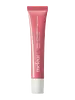
This barrier-repair lip moisturizer is formulated around Simmondsia Chinensis Seed Oil and Sodium Hyaluronate to strengthen the lip barrier and hydrate lips.
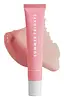
This barrier-repair lip moisturizer is formulated around Butyrospermum Parkii Butter and Sodium Hyaluronate to strengthen the lip barrier and hydrate lips.


What's inside
What's inside
 Key Ingredients
Benefits
Concerns
Ingredients Side-by-side
Bis-Behenyl/Isostearyl/Phytosteryl Dimer Dilinoleyl Dimer Dilinoleate
EmollientHydrogenated Polyisobutene
EmollientDiisostearyl Malate
EmollientIsononyl Isononanoate
EmollientPolyglyceryl-2 Triisostearate
Emulsifying

Silica Dimethyl Silylate
EmollientSynthetic Wax
Abrasive

Polyhydroxystearic Acid
Emulsifying
Cera Microcristallina
Emulsion StabilisingCaprylic/Capric Glycerides
EmollientSilica Silylate
Emollient
CI 77891
Cosmetic ColorantCI 15850
Cosmetic ColorantLimonene
Perfuming



CI 77491
Cosmetic ColorantEthylene/Propylene Copolymer
Abrasive
CI 77499
Cosmetic ColorantCI 19140
Cosmetic ColorantCI 15985
Cosmetic ColorantCitrus Aurantium Dulcis Peel Oil
Masking
Water
Skin ConditioningSimmondsia Chinensis Seed Oil
Emollient


Glycerin
Humectant
Butylene Glycol
Humectant
1,2-Hexanediol
Skin Conditioning
Pentylene Glycol
Skin Conditioning
Sodium Hyaluronate
Humectant


Oryza Sativa Extract
Absorbent

Collagen Amino Acids
Moisturising
Bis-Behenyl/Isostearyl/Phytosteryl Dimer Dilinoleyl Dimer Dilinoleate, Hydrogenated Polyisobutene, Diisostearyl Malate, Isononyl Isononanoate, Polyglyceryl-2 Triisostearate, Silica Dimethyl Silylate, Synthetic Wax, Polyhydroxystearic Acid, Cera Microcristallina, Caprylic/Capric Glycerides, Silica Silylate, CI 77891, CI 15850, Limonene, CI 77491, Ethylene/Propylene Copolymer, CI 77499, CI 19140, CI 15985, Citrus Aurantium Dulcis Peel Oil, Water, Simmondsia Chinensis Seed Oil, Glycerin, Butylene Glycol, 1,2-Hexanediol, Pentylene Glycol, Sodium Hyaluronate, Oryza Sativa Extract, Collagen Amino Acids
Phytosteryl/Isostearyl/Cetyl/Stearyl/Behenyl Dimer Dilinoleate
Skin Conditioning
Diisostearyl Malate
EmollientHydrogenated Polyisobutene
EmollientPolybutene
Hydrogenated Poly(C6-14 Olefin)
EmollientButyrospermum Parkii Butter
Skin Conditioning
Cera Microcristallina
Emulsion StabilisingOctyldodecanol
Emollient
Synthetic Wax
Abrasive
Disteardimonium Hectorite
StabilisingAstrocaryum Murumuru Seed Butter
Emollient
Sodium Hyaluronate
Humectant
Tocopherol
Antioxidant


Propylene Carbonate
SolventPolyglyceryl-2 Diisostearate
Emulsifying
Aluminum Hydroxide
EmollientParfum
Masking
Mica
Cosmetic ColorantBHT
Antioxidant
Benzyl Alcohol
Perfuming

Benzyl Benzoate
Antimicrobial
CI 15850
Cosmetic ColorantCI 45410
Cosmetic ColorantCI 77891
Cosmetic ColorantPhytosteryl/Isostearyl/Cetyl/Stearyl/Behenyl Dimer Dilinoleate, Diisostearyl Malate, Hydrogenated Polyisobutene, Polybutene, Hydrogenated Poly(C6-14 Olefin), Butyrospermum Parkii Butter, Cera Microcristallina, Octyldodecanol, Synthetic Wax, Disteardimonium Hectorite, Astrocaryum Murumuru Seed Butter, Sodium Hyaluronate, Tocopherol, Propylene Carbonate, Polyglyceryl-2 Diisostearate, Aluminum Hydroxide, Parfum, Mica, BHT, Benzyl Alcohol, Benzyl Benzoate, CI 15850, CI 45410, CI 77891
Reviews
Ingredients Explained
These ingredients are found in both products.
Ingredients higher up in an ingredient list are typically present in a larger amount.
Cera Microcristallina, aka microcrystalline wax, is a petroleum-derived wax that helps thicken texture and stabilize the oils in formulas.
It also has mild occlusive properties that creates a film on skin to slow down water loss.
The CIR Expert Panel has concluded this ingredient to be safe as used in cosmetics.
This ingredient is refined to a cosmetic grade with high purity. It is chemically inert, stable, and doesn't clog pores (petroleum has a comedogenic rating of 0).
Malassezia feeds on fatty acids roughly in the C11-24 range and this ingredient contains none of those. Since there's no plausible food source for it here, this ingredient is fungal acne safe.
Learn more about Cera MicrocristallinaCi 15850 is the pigment color red. It is an azo dye and created synthetically.
Azo dyes need to be thoroughly purified before use. This allows them to be more stable and longer-lasting.
This ingredient is common in foundations, lipsticks, and blushes. This color is described as brown/orangey red.
It has many secondary names such as Red 6 and Red 7. According to a manufacturer, Red 6 usually contains aluminum.
Learn more about CI 15850Ci 77891 is a white pigment from Titanium dioxide. It is naturally found in minerals such as rutile and ilmenite.
It's main function is to add a white color to cosmetics. It can also be mixed with other colors to create different shades.
Ci 77891 is commonly found in sunscreens due to its ability to block UV rays.
Learn more about CI 77891Diisostearyl Malate is an emollient and most often used in lip products. It comes from isostearyl alcohol, a fatty acid, and malic acid, an AHA.
As an emollient, Diisostearyl Malate helps create a thin film on your skin to trap moisture in. This helps keep your skin soft and smooth.
Hydrogenated Polyisobutene is a synthetic polymer. Polymers are compounds with high molecular weight. Hydrogenated Polyisobutene is an emollient and texture enhancer.
In one study, Hydrogenated Polyisobutene showed better skin hydration levels than Caprylic/Capric Triglyceride. As an emollient, it helps keep your skin soft and hydrated by trapping moisture in.
Hydrogenated Polyisobutene is often used as a mineral oil replacement.
Learn more about Hydrogenated PolyisobuteneSodium Hyaluronate is the salt form of hyaluronic acid. It is a long sugar chain that is naturally found in your skin, joints, and connective tissue that maintains hydration and elasticity.
In skincare, it works as a humectant. It pulls water from the environment and deeper layers of skin and binds it to the surface.
Interestingly, the size of the molecule affects its behavior:
Some clinical evidence links low molecular weight versions to improved wrinkle depth, elasticity, anti-inflammatory effects, and barrier repair.
Many serums use a blend of both weights so you can get surface hydration plus longer-lasting and deeper effects.
You'll typically see concentrations between 0.1-2% for this ingredient.
Learn more about Sodium HyaluronateSynthetic Wax is a manufactured hydrocarbon wax. In formulas, it works as an occlusive emollient that helps reduce water loss and improves the spreadability of products.
Research comparing synthetic wax to traditional mineral-derived products found that formulas containing it perform as well for skin hydration.
It is considered non-comedogenic and vegan-friendly.
This ingredient has a well-established safety record by the CIR Expert Panel for Cosmetic Ingredient Safety.
Synthetic Waxes are straight/branched-chain hydrocarbons with no ester bond or fatty acids. That means there is nothing for the Malassezia yeast to feed on.
Learn more about Synthetic Wax

