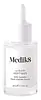
This anti-aging serum is formulated around Carnosine and Palmitoyl Tripeptide-5 to soften the look of wrinkles and refine skin texture.
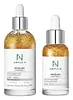
This anti-aging ampoule is formulated around Niacinamide and Acetyl Hexapeptide-8 to soften the look of wrinkles.


What's inside
What's inside
 Key Ingredients
Benefits
Concerns
Ingredients Side-by-side
Water
Skin ConditioningGlycerin
Humectant


Butylene Glycol
Humectant
Inulin
Skin Conditioning
Sodium Hyaluronate
Humectant


Panthenol
Skin Conditioning
Alpha-Glucan Oligosaccharide
Cleansing
Carnosine
Skin Conditioning
Carbomer
Emulsion StabilisingPolysorbate 20
Emulsifying

Caprylyl Glycol
Emollient
Phenoxyethanol
Preservative
Hydroxypropyl Cyclodextrin
MaskingDunaliella Salina Extract
Skin ConditioningEthylhexylglycerin
Skin ConditioningCitric Acid
Buffering

Palmitoyl Tripeptide-5
Skin Conditioning

Sodium Benzoate
Masking
Acetyl Hexapeptide-8
Humectant
Tetrapeptide-21
Skin Conditioning
Pentapeptide-18
Skin Conditioning
Palmitoyl Tripeptide-1
Skin Conditioning
Pantolactone
Humectant
Palmitoyl Tripeptide-38
Skin Conditioning
Palmitoyl Tetrapeptide-7
Skin Conditioning
Glyceryl Caprylate
EmollientLactic Acid/Glycolic Acid Copolymer
Skin ConditioningPolyvinyl Alcohol
Phenylpropanol
Masking

Copper Palmitoyl Heptapeptide-14
Skin Conditioning
Heptapeptide-15 Palmitate
Skin Conditioning
Potassium Sorbate
Preservative
Xanthan Gum
EmulsifyingWater, Glycerin, Butylene Glycol, Inulin, Sodium Hyaluronate, Panthenol, Alpha-Glucan Oligosaccharide, Carnosine, Carbomer, Polysorbate 20, Caprylyl Glycol, Phenoxyethanol, Hydroxypropyl Cyclodextrin, Dunaliella Salina Extract, Ethylhexylglycerin, Citric Acid, Palmitoyl Tripeptide-5, Sodium Benzoate, Acetyl Hexapeptide-8, Tetrapeptide-21, Pentapeptide-18, Palmitoyl Tripeptide-1, Pantolactone, Palmitoyl Tripeptide-38, Palmitoyl Tetrapeptide-7, Glyceryl Caprylate, Lactic Acid/Glycolic Acid Copolymer, Polyvinyl Alcohol, Phenylpropanol, Copper Palmitoyl Heptapeptide-14, Heptapeptide-15 Palmitate, Potassium Sorbate, Xanthan Gum
Water
Skin ConditioningGlycerin
Humectant
Butylene Glycol
Humectant
Dipropylene Glycol
HumectantAlcohol
Antimicrobial



PEG-32
HumectantBiosaccharide Gum-1
Humectant
Niacinamide
Smoothing




Trehalose
Humectant
Adenosine
Skin Conditioning
Acetyl Hexapeptide-8
Humectant
Arginine
Masking
Panthenol
Skin Conditioning
Hydrogenated Lecithin
Emulsifying
Beta-Glucan
Skin Conditioning
Dipotassium Glycyrrhizate
Humectant
Helichrysum Arenarium Extract
AntiseborrhoeicYeast Extract
Skin ConditioningPalmitoyl Pentapeptide-4
Skin Conditioning
Pearl Extract
Antioxidant
Dimethicone
Emollient
PEG-60 Hydrogenated Castor Oil
Emulsifying
1,2-Hexanediol
Skin Conditioning
Carbomer
Emulsion StabilisingXanthan Gum
EmulsifyingTitanium Dioxide
Cosmetic Colorant

Sodium Palmitoyl Sarcosinate
CleansingGlyceryl Acrylate/Acrylic Acid Copolymer
HumectantMica
Cosmetic ColorantCaramel
Cosmetic ColorantAgar
MaskingCalcium Alginate
MaskingGellan Gum
Polysorbate 20
Emulsifying
Propylene Glycol
Humectant
Caprylyl Glycol
Emollient
Glyceryl Caprylate
EmollientPhenylpropanol
Masking
Palmitoyl Oligopeptide
Cleansing
Lactic Acid
Buffering
Polyvinyl Alcohol
Glycolic Acid
Buffering
Phenoxyethanol
Preservative
Parfum
Masking
Ethylhexylglycerin
Skin ConditioningTetrasodium EDTA
ChelatingWater, Glycerin, Butylene Glycol, Dipropylene Glycol, Alcohol, PEG-32, Biosaccharide Gum-1, Niacinamide, Trehalose, Adenosine, Acetyl Hexapeptide-8, Arginine, Panthenol, Hydrogenated Lecithin, Beta-Glucan, Dipotassium Glycyrrhizate, Helichrysum Arenarium Extract, Yeast Extract, Palmitoyl Pentapeptide-4, Pearl Extract, Dimethicone, PEG-60 Hydrogenated Castor Oil, 1,2-Hexanediol, Carbomer, Xanthan Gum, Titanium Dioxide, Sodium Palmitoyl Sarcosinate, Glyceryl Acrylate/Acrylic Acid Copolymer, Mica, Caramel, Agar, Calcium Alginate, Gellan Gum, Polysorbate 20, Propylene Glycol, Caprylyl Glycol, Glyceryl Caprylate, Phenylpropanol, Palmitoyl Oligopeptide, Lactic Acid, Polyvinyl Alcohol, Glycolic Acid, Phenoxyethanol, Parfum, Ethylhexylglycerin, Tetrasodium EDTA
Reviews
Ingredients Explained
These ingredients are found in both products.
Ingredients higher up in an ingredient list are typically present in a larger amount.
Acetyl Hexapeptide-8 (also known as Argireline) is a synthetic hexapeptide that is often called a "topical Botox alternative".
It works by mimicking how Botox relaxes muscles; it interferes with the signaling process that tells your facial muscles to contract. This can help soften expression lines like forehead wrinkles or crow's feet over time.
The comparison to Botox does have limits because the molecule is water-loving and relatively large.
Acetyl Hexapeptide-8 has a hard time absorbing deeply enough through the skin's outer barrier to actually reach the muscles.
So whether it truly works the way Botox does at a biological level is still up for debate, but early clinical outcomes are fairly encouraging.
A 12 week human study of a multi-ingredient regimen containing this ingredient saw:
While some studies have observed improvements in wrinkle appearance, it is important to note that more consistent results are seen in multi-ingredient formulations (vs just Acetyl Hexapeptide-8 alone).
Some research studies also used higher concentrations (up to 10%) while this ingredient is usually found in concentrations up to 0.005% in leave-on formulations.
Learn more about Acetyl Hexapeptide-8Butylene Glycol (or BG) is used within cosmetic products for a few different reasons:
Overall, Butylene Glycol is a safe and well-rounded ingredient that works well with other ingredients.
Though this ingredient works well with most skin types, some people with sensitive skin may experience a reaction such as allergic rashes, closed comedones, or itchiness.
Learn more about Butylene GlycolCaprylyl Glycol is a humectant, skin conditioner, emollient, and preservative booster derived from either caprylic acid or synthetically created.
Typical use levels vary from 0.3-1% as a preservative booster and go up to 2% to condition skin.
Because it is not a free-fatty acid, this ingredient is fungal acne safe (there's nothing for Malassezia to feed on).
Learn more about Caprylyl GlycolCarbomer is a synthetic thickening and gelling agent. It's basically the ingredient that gives a lot of serums, gels, creams, and sunscreens their smooth, non-sticky texture.
Although legally permitted at very high levels, carbomers are normally used at concentrations below 1%.
It also needs to be neutralized to actually thicken, and because it is a large molecule, it doesn't really penetrate the skin barrier.
Allergy-wise, the risk is very low. Clinical studies show carbomers have low potential for skin irritation/sensitization even at concentrations up to 100%.
A 2024 UK study patch-tested 1,302 patients and found true allergy to the parent group of carbomer to be rare with no confirmed relevant reactions.
Learn more about CarbomerEthylhexylglycerin is created from glycerin. It is a multitasker ingredient that:
The CIR Expert Panel found minimal skin absorption or sensitization of any kind in a safety assessment. Though this ingredient is considered well-tolerated, a small number of cases of allergic dermatitis have been published since 2002. Just be sure to patch test if you are unsure.
Industry-reported use ranges from 8% in rinse-off products and 2% in leave-on formulations.
Learn more about EthylhexylglycerinGlycerin (or glycerol) is a compound naturally found in your skin. It's a powerhouse humectant that pulls water into the stratum corneum.
Topically, glycerin does several things at once:
Your skin makes glycerin on its own (mostly from sebaceous oil breakdown) and shuttles it to your outermost layer of skin, or your epidermis, via aquaporin-3.
Aquaporin-3 is a transporter that is essential for normal skin hydration, elasticity, and repair. Interestingly, mice lacking in AQP3 have dry and less elastic skin that can be fully corrected with glycerin.
This ingredient is non-irritating, plays well with almost every ingredient, and works across all skin types. Typical use is anywhere between 3-10% but can go up to 79% in some leave-on products.
Just know very high concentrations (>40%) can feel tacky in low humidity.
Glycerin is the name for this ingredient in American English. British English uses Glycerol/Glycerine.
Learn more about GlycerinGlyceryl Caprylate comes from glycerin and caprylic acid. It is an emollient, co-emulsifier, and preservative booster.
Its short C8 fatty acid chain makes it behave differently from its longer-chain emollient cousins like Glyceryl Stearate. It feels more lightweight, fast-absorbing, and silky instead of rich and waxy.
As a co-emulsifier, its "head" and "tail" sit at the oil-water interface. But overall, the short C8 tail and not being water soluble means it doesn't really have the muscle to emulsify a formula on its own. That's why you'll often see it paired with a primary emulsifier like Cetearyl Glucoside.
Interestingly, Glyceryl Caprylate acts as a preservative booster. This is because its fatty-acid backbone disrupts microbial lipid membranes. It shows excellent activity against bacteria and yeast but is weaker against mold.
Typical concentrations range from 0.5-1% and this ingredient is generally non-irritating.
Because this ingredient has a C8 fatty acid chain, it is outside the range that the Malassezia yeast metabolizes (making it fungal acne safe).
Learn more about Glyceryl CaprylatePanthenol is a common ingredient that helps hydrate and soothe the skin. It is found naturally in our skin and hair.
There are two forms of panthenol: D and L.
D-panthenol is also known as dexpanthenol. Most cosmetics use dexpanthenol or a mixture of D and L-panthenol.
Panthenol is famous due to its ability to go deeper into the skin's layers. Using this ingredient has numerous pros (and no cons):
Like hyaluronic acid, panthenol is a humectant. Humectants are able to bind and hold large amounts of water to keep skin hydrated.
This ingredient works well for wound healing. It works by increasing tissue in the wound and helps close open wounds.
Once oxidized, panthenol converts to pantothenic acid. Panthothenic acid is found in all living cells.
This ingredient is also referred to as pro-vitamin B5.
Learn more about PanthenolPhenoxyethanol is one of the most widely used preservatives in skincare (and for good reason!).
It has a large spectrum of antimicrobial activity and especially effective bacteria, yeast, and mold while only having a weak effect on your skin's natural microbiome.
On a cellular level, it disrupts the cell membranes of microbes by poking holes that make the cell leak. This shuts down the chemical reactions the microbe needs to make energy so it can no longer survive.
Another perk of this ingredient is that it stays functional across a wide pH range (3-10).
You'll often see it paired with boosters like Ethylhexylglycerin; one study showed that a 1:9 ratio of Ethylhexylglycerin to Phenoxyethanol damages bacterial membranes as effectively as doubling the Phenoxyethanol concentration on its own.
Typical use concentrations range from 0.3-1% depending on the formula, and this ingredient is capped at 1% int the EU.
Safety-wise, the fear mongering does not hold up to the evidence. The EU's Scientific Committee on Consumer Safety and FDA consider it safe as a preservative at up to 1%, including for children of all ages.
Adverse systemic effects only showed up in animal studies at exposures roughly 200x higher than what people get from cosmetics. And despite its very widespread use, this ingredient is a rare sensitizer and allergic reactions are uncommon.
Learn more about PhenoxyethanolPhenylpropanol is a fragrance.
Polysorbate 20 is a gentle, water-soluble emulsifier and mild surfactant. It stops oil and water from separating to keep your formulas blended and stable.
It also acts as a mild penetration enhancer by helping active ingredients absorb slightly better.
The common safety discussion around this ingredient involves a manufacturing byproduct called 1,4-dioxane.
Trace amounts can form during production but the EU's Scientific Committee on Consumer Safety has concluded that levels at/below 10 ppm in finished products are safe (commercial products consistently fall within acceptable margins).
True allergic reactions are uncommon and the CIR Expert Panel has confirmed this ingredient to be safe as used in cosmetics.
Because it is derived from lauric acid, it may not be fungal acne safe.
Learn more about Polysorbate 20We don't have a description for Polyvinyl Alcohol yet.
Water. It's the most common cosmetic ingredient of all. You'll usually see it at the top of ingredient lists, meaning that it makes up the largest part of the product.
So why is it so popular? Water most often acts as a solvent - this means that it helps dissolve other ingredients into the formulation.
You'll also recognize water as that liquid we all need to stay alive. If you see this, drink a glass of water. Remember to stay hydrated!
Learn more about WaterXanthan gum is used as a stabilizer and thickener within cosmetic products. It helps give products a sticky, thick feeling - preventing them from being too runny.
On the technical side of things, xanthan gum is a polysaccharide - a combination consisting of multiple sugar molecules bonded together.
Xanthan gum is a pretty common and great ingredient. It is a natural, non-toxic, non-irritating ingredient that is also commonly used in food products.
Learn more about Xanthan Gum

