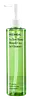
This mild gel cleanser is made to cleanse while calming and soothing your skin.
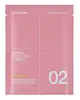
This wash off mask is made with Diatomaceous Earth and Kaolin for a rinse-off oil-control boost.

What's inside
What's inside
 Key Ingredients
Benefits
Ingredients Side-by-side
Water
Skin ConditioningCoco-Betaine
Cleansing
Glycerin
Humectant


Butylene Glycol
Humectant
Melaleuca Alternifolia Leaf Water
Antimicrobial


Aloe Barbadensis Leaf Water
Masking1,2-Hexanediol
Skin Conditioning
Sodium Chloride
MaskingCentella Asiatica Extract
Cleansing


Camellia Sinensis Leaf Extract
Antimicrobial


Glycyrrhiza Glabra Root Extract
Bleaching
Rosmarinus Officinalis Leaf Extract
AntimicrobialPotassium Cocoyl Glycinate
Surfactant
Melilotus Officinalis Extract
AstringentTromethamine
BufferingAsiaticoside
Antioxidant
Madecassic Acid
Skin Conditioning
Asiatic Acid
Skin Conditioning
Gluconolactone
Chelating
Xylitol
Humectant
Ethylhexylglycerin
Skin ConditioningSalix Alba Bark Extract
Astringent
Anhydroxylitol
Humectant
Glucose
Humectant
Melia Azadirachta Flower Extract
Skin ConditioningChaenomeles Sinensis Fruit Extract
Antioxidant
Citrus Aurantium Dulcis Flower Extract
Skin ConditioningAcrylates/C10-30 Alkyl Acrylate Crosspolymer
Emulsion StabilisingCutibacterium Granulosum Ferment Extract Filtrate
EmollientXylitylglucoside
Humectant
Polyglyceryl-4 Caprate
EmulsifyingChamomilla Recutita Flower Extract
Masking
Melia Azadirachta Leaf Extract
Skin ConditioningPolygonum Cuspidatum Root Extract
Antioxidant
Scutellaria Baicalensis Root Extract
Astringent
Water, Coco-Betaine, Glycerin, Butylene Glycol, Melaleuca Alternifolia Leaf Water, Aloe Barbadensis Leaf Water, 1,2-Hexanediol, Sodium Chloride, Centella Asiatica Extract, Camellia Sinensis Leaf Extract, Glycyrrhiza Glabra Root Extract, Rosmarinus Officinalis Leaf Extract, Potassium Cocoyl Glycinate, Melilotus Officinalis Extract, Tromethamine, Asiaticoside, Madecassic Acid, Asiatic Acid, Gluconolactone, Xylitol, Ethylhexylglycerin, Salix Alba Bark Extract, Anhydroxylitol, Glucose, Melia Azadirachta Flower Extract, Chaenomeles Sinensis Fruit Extract, Citrus Aurantium Dulcis Flower Extract, Acrylates/C10-30 Alkyl Acrylate Crosspolymer, Cutibacterium Granulosum Ferment Extract Filtrate, Xylitylglucoside, Polyglyceryl-4 Caprate, Chamomilla Recutita Flower Extract, Melia Azadirachta Leaf Extract, Polygonum Cuspidatum Root Extract, Scutellaria Baicalensis Root Extract
Diatomaceous Earth
Abrasive
Glucose
Humectant
Algin
MaskingCI 77231
Cosmetic ColorantKaolin
Abrasive
Trehalose
Humectant
Betaine
Humectant
Xylitol
Humectant
Water
Skin ConditioningPanthenol
Skin Conditioning
Sodium Benzoate
Masking
Hydrolyzed Collagen
Emollient
Sodium Dehydroacetate
Preservative
Allantoin
Skin Conditioning
Sodium Hyaluronate
Humectant
Rosa Damascena Flower Water
Masking
Rosa Centifolia Flower Water
Skin ConditioningMonascus Extract
Skin ConditioningTetrasodium Pyrophosphate
Buffering1,2-Hexanediol
Skin Conditioning
Glycerin
Humectant
Dextrin
AbsorbentButylene Glycol
Humectant
Calendula Officinalis Extract
Skin Conditioning
Rosmarinus Officinalis Leaf Extract
AntimicrobialRose Extract
Skin ConditioningPropolis Extract
Skin Conditioning
Pearl Extract
Antioxidant
Acetyl Hexapeptide-8
Humectant
Copper Tripeptide-1
Skin Conditioning
Hibiscus Sabdariffa Flower Extract
Skin ConditioningHoney Extract
Humectant
Diatomaceous Earth, Glucose, Algin, CI 77231, Kaolin, Trehalose, Betaine, Xylitol, Water, Panthenol, Sodium Benzoate, Hydrolyzed Collagen, Sodium Dehydroacetate, Allantoin, Sodium Hyaluronate, Rosa Damascena Flower Water, Rosa Centifolia Flower Water, Monascus Extract, Tetrasodium Pyrophosphate, 1,2-Hexanediol, Glycerin, Dextrin, Butylene Glycol, Calendula Officinalis Extract, Rosmarinus Officinalis Leaf Extract, Rose Extract, Propolis Extract, Pearl Extract, Acetyl Hexapeptide-8, Copper Tripeptide-1, Hibiscus Sabdariffa Flower Extract, Honey Extract
Reviews
Ingredients Explained
These ingredients are found in both products.
Ingredients higher up in an ingredient list are typically present in a larger amount.
1,2-Hexanediol is a synthetic liquid and another multi-functional powerhouse.
It is a:
- Humectant, drawing moisture into the skin
- Emollient, helping to soften skin
- Solvent, dispersing and stabilizing formulas
- Preservative booster, enhancing the antimicrobial activity of other preservatives
Butylene Glycol (or BG) is used within cosmetic products for a few different reasons:
Overall, Butylene Glycol is a safe and well-rounded ingredient that works well with other ingredients.
Though this ingredient works well with most skin types, some people with sensitive skin may experience a reaction such as allergic rashes, closed comedones, or itchiness.
Learn more about Butylene GlycolGlucose is a simple sugar (a monosaccharide). In skincare, it is mostly a humectant and skin conditioning agent.
Mechanistically, it has multiple hydroxyl groups that hydrogen-bond to water. This pulls moisture into the upper layers of skin to keep the surface soft and hydrated.
It's worth knowing sugars are already a natural component of the skin's NMF (natural moisturizing factor) so it's a molecule that your stratum corneum is well-acquainted with.
Just so you know, glucose is hydrophilic (water-loving) and the stratum corneum is a strong barrier to hydrophilic compounds. This just means penetration is slow and most of the action is happening on the surface.
Gram-to-gram, glucose is not as efficient as a humectant as glycerin. This is why you'll likely see glycose paired with stronger humectants for a bigger hydration payoff.
In skincare, glucose is typically derived from corn or other starch sources.
Learn more about GlucoseGlycerin (or glycerol) is a compound naturally found in your skin. It's a powerhouse humectant that pulls water into the stratum corneum.
Topically, glycerin does several things at once:
Your skin makes glycerin on its own (mostly from sebaceous oil breakdown) and shuttles it to your outermost layer of skin, or your epidermis, via aquaporin-3.
Aquaporin-3 is a transporter that is essential for normal skin hydration, elasticity, and repair. Interestingly, mice lacking in AQP3 have dry and less elastic skin that can be fully corrected with glycerin.
This ingredient is non-irritating, plays well with almost every ingredient, and works across all skin types. Typical use is anywhere between 3-10% but can go up to 79% in some leave-on products.
Just know very high concentrations (>40%) can feel tacky in low humidity.
Glycerin is the name for this ingredient in American English. British English uses Glycerol/Glycerine.
Learn more about GlycerinThis is a botanical extract from the rosemary plant (the same one you cook with). In skincare, it mostly works as a skin conditioning agent.
Its activity comes from a handful of polyphenols, carnosic acid, carnosol, and rosmarinic acid. Almost 90% of the antioxidant activity of this ingredient can be attributed to canosol and carnosic acid.
These compounds protect your skin two ways:
1) They fight off free radicals, or the unstable molecules from things like sun and pollution that age and damage skin.
2) They help calm inflammation by switching off the chemical signals that tell skin to get red and irritated.
Lab studies also suggest that rosmarinic acid may help protect collagen and slow sugar-related damage to it.
The Cosmetic Ingredient Review has concluded rosemary-derived ingredients to be safe when formulated to be non-sensitizing.
Rosemary can occasionally cause allergic contact dermatitis (due to carnosol), so be sure to patch test if you have reactive or fragrance-sensitive skin.
Learn more about Rosmarinus Officinalis Leaf ExtractWater. It's the most common cosmetic ingredient of all. You'll usually see it at the top of ingredient lists, meaning that it makes up the largest part of the product.
So why is it so popular? Water most often acts as a solvent - this means that it helps dissolve other ingredients into the formulation.
You'll also recognize water as that liquid we all need to stay alive. If you see this, drink a glass of water. Remember to stay hydrated!
Learn more about WaterXylitol is a humectant and prebiotic. It can help with dry skin.
In studies, xylitol has been shown to improve dry skin. It decreased transepidermal water loss, or when water passes through the skin and evaporates. Xylitol also showed to help improve the biomechanical properties of the skin barrier.
The prebiotic property of xylitol may also help reinforce our skin's natural microbiome. Having a healthy microbiome prevents infection by bad bacteria and helps with hydration.
As a humectant, Xylitol helps draw moisture from both the air and from deeper skin layers. This helps keep skin hydrated.
Xylitol is a sugar alcohol and commonly used as a sugar substitute. It is naturally occurring in plants such as strawberries and pumpkin.
Learn more about Xylitol

