This barrier-repair lip moisturizer is formulated around Petrolatum and Butyrospermum Parkii Butter to strengthen the lip barrier and hydrate lips.


What's inside
What's inside
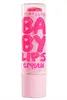 Key Ingredients
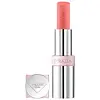
Benefits
Concerns
Ingredients Side-by-side
Octyldodecanol
Emollient
Polybutene
Petrolatum
Emollient



Isopropyl Myristate
Emollient



Polyethylene
Abrasive
Ozokerite
Emulsion StabilisingDiisostearyl Malate
EmollientButyrospermum Parkii Butter
Skin Conditioning
Euphorbia Cerifera Cera
Astringent
Vp/Hexadecene Copolymer
Alumina
Abrasive
Aroma


Limonene
Perfuming
Synthetic Fluorphlogopite
Pentaerythrityl Tetra-Di-T-Butyl Hydroxyhydrocinnamate
Antioxidant
Tocopherol
Antioxidant




Tocopheryl Acetate
Antioxidant
Calcium Aluminum Borosilicate
Benzyl Alcohol
Perfuming

Silica
Abrasive

Mel
EmollientCentella Asiatica Extract
Cleansing


Linalool
Perfuming
Citral
Perfuming
Benzyl Benzoate
Antimicrobial
Calcium Sodium Borosilicate
Polyethylene Terephthalate
Tin Oxide
Abrasive
Aluminum Hydroxide
EmollientAcrylates Copolymer
Dimethicone
Emollient
Parfum
Masking
CI 77891
Cosmetic ColorantCI 45410
Cosmetic ColorantCI 45380
Cosmetic ColorantCI 77491
Cosmetic ColorantCI 77492
Cosmetic ColorantCI 77499
Cosmetic ColorantCI 15985
Cosmetic ColorantCI 15850
Cosmetic ColorantCI 19140
Cosmetic ColorantMica
Cosmetic ColorantCI 42090
Cosmetic ColorantCI 75470
Cosmetic ColorantOctyldodecanol, Polybutene, Petrolatum, Isopropyl Myristate, Polyethylene, Ozokerite, Diisostearyl Malate, Butyrospermum Parkii Butter, Euphorbia Cerifera Cera, Vp/Hexadecene Copolymer, Alumina, Aroma, Limonene, Synthetic Fluorphlogopite, Pentaerythrityl Tetra-Di-T-Butyl Hydroxyhydrocinnamate, Tocopherol, Tocopheryl Acetate, Calcium Aluminum Borosilicate, Benzyl Alcohol, Silica, Mel, Centella Asiatica Extract, Linalool, Citral, Benzyl Benzoate, Calcium Sodium Borosilicate, Polyethylene Terephthalate, Tin Oxide, Aluminum Hydroxide, Acrylates Copolymer, Dimethicone, Parfum, CI 77891, CI 45410, CI 45380, CI 77491, CI 77492, CI 77499, CI 15985, CI 15850, CI 19140, Mica, CI 42090, CI 75470
Octyldodecanol
Emollient
Diisostearyl Malate
EmollientPentaerythrityl Tetraisostearate
Emollient
Bis-Diglyceryl Polyacyladipate-2
Emollient
Polyethylene
Abrasive
Trimethylsiloxyphenyl Dimethicone
Hydrogenated Coco-Glycerides
Emollient
Simmondsia Chinensis Butter
Skin Conditioning
Microcrystalline Wax
Emulsion StabilisingCI 77891
Cosmetic ColorantCalcium Aluminum Borosilicate
Passiflora Edulis Seed Oil
Emollient
C18-36 Acid Triglyceride
EmollientCI 77492
Cosmetic ColorantCI 77491
Cosmetic ColorantCI 45410
Cosmetic ColorantPentaerythrityl Tetra-Di-T-Butyl Hydroxyhydrocinnamate
Antioxidant
CI 77499
Cosmetic ColorantSynthetic Fluorphlogopite
Bifida Ferment Lysate
Skin Conditioning
Limonene
Perfuming
Aluminum Hydroxide
EmollientAlpha-Isomethyl Ionone
Perfuming
Tin Oxide
Abrasive
Silica
Abrasive
Geraniol
Perfuming
Linalool
Perfuming
Citronellol
Perfuming
Sodium Benzoate
Masking
Acetic Acid
BufferingLactic Acid
Buffering
Parfum
Masking
Octyldodecanol, Diisostearyl Malate, Pentaerythrityl Tetraisostearate, Bis-Diglyceryl Polyacyladipate-2, Polyethylene, Trimethylsiloxyphenyl Dimethicone, Hydrogenated Coco-Glycerides, Simmondsia Chinensis Butter, Microcrystalline Wax, CI 77891, Calcium Aluminum Borosilicate, Passiflora Edulis Seed Oil, C18-36 Acid Triglyceride, CI 77492, CI 77491, CI 45410, Pentaerythrityl Tetra-Di-T-Butyl Hydroxyhydrocinnamate, CI 77499, Synthetic Fluorphlogopite, Bifida Ferment Lysate, Limonene, Aluminum Hydroxide, Alpha-Isomethyl Ionone, Tin Oxide, Silica, Geraniol, Linalool, Citronellol, Sodium Benzoate, Acetic Acid, Lactic Acid, Parfum
Ingredients Explained
These ingredients are found in both products.
Ingredients higher up in an ingredient list are typically present in a larger amount.
Aluminum Hydroxide is a form of aluminum. It can be naturally found in nature as the mineral gibbsite. In cosmetics, Aluminum Hydroxide is used as a colorant, pH adjuster, and absorbent.
As a colorant, Aluminum Hydroxide may add opacity, or reduce the transparency. Aluminum hydroxide is contains both basic and acidic properties.
According to manufacturers, this ingredient is an emollient and humectant. This means it helps hydrate the skin.
In medicine, this ingredient is used to help relieve heartburn and help heal ulcers.
There is currently no credible scientific evidence linking aluminum hydroxide in cosmetics to increased cancer risk.
Major health organizations allow the use of aluminum hydroxide in personal care products and have not flagged it as a carcinogenic risk at typical usage levels.
Learn more about Aluminum HydroxideCalcium Aluminum Borosilicate is made up of calcium, aluminum, and silicates. It is a glass-like material. In cosmetics, it comes in the form of flakes or microspheres.
Calcium aluminum borosilicate is a bulking agent, meaning it helps thicken a product.
This ingredient is created by slowly mixing several minerals, including kaolin clay.
Although “aluminum” in an ingredient name can raise red flags for some consumers, the form and usage context matter significantly. For typical topical applications, there is no substantial evidence of health risks - such as cancer, neurotoxicity, or systemic “aluminum overload.”
Learn more about Calcium Aluminum BorosilicateCI 45410 is a synthetic red-pigment and dye.
It often goes by both Red 28 or Red 27; manufacturers label both ingredients as CI 45410.
This dye is commonly found in makeup because it imparts a vivid color. Some types of this dye change color based on pH level and interaction with moisture:
Your skin has a natural pH of around 4.5 - 5.5.
According to the FDA, CI 45410 is not permitted for use in eye products.
Red 27 is a flourescein dye and commonly used as a fluorescent tracer in medicine.
Learn more about CI 45410Ci 77491 is also hydrated iron III oxide. It's sole purpose is to give a red/pink hue to products.
Iron III oxides are classified as inorganic chemicals for coloring.
Synthetically created Ci 77491 is considered safer than those naturally found. This is because the synthetically created version may contain less impurities. Iron oxides are generally non-toxic and non-allergenic.
Learn more about CI 77491CI 77492 is also hydrated iron III oxide. It's sole purpose is to give a yellow hue to products.
Iron III oxides are classified as inorganic chemicals for coloring.
Synthetically created CI 77492 is considered safer than those naturally found. This is because the synthetically created version may contain less impurities. Iron oxides are generally non-toxic and non-allergenic.
Learn more about CI 77492Ci 77499 is also hydrated iron III oxide. It is created from mixing red and black iron oxides. This helps give shades of darkness to a product.
Iron III oxides are classified as inorganic chemicals for coloring.
Ci 77891 is a white pigment from Titanium dioxide. It is naturally found in minerals such as rutile and ilmenite.
It's main function is to add a white color to cosmetics. It can also be mixed with other colors to create different shades.
Ci 77891 is commonly found in sunscreens due to its ability to block UV rays.
Learn more about CI 77891Diisostearyl Malate is an emollient and most often used in lip products. It comes from isostearyl alcohol, a fatty acid, and malic acid, an AHA.
As an emollient, Diisostearyl Malate helps create a thin film on your skin to trap moisture in. This helps keep your skin soft and smooth.
Limonene is a fragrance that adds scent and taste to a formulation.
It's found in the peel oil of citrus fruits and other plants such as lavender and eucalyptus. The scent of limonene is generally described as "sweet citrus".
Limonene acts as an antioxidant, meaning it helps neutralize free radicals.
When exposed to air, oxidized limonene may sensitize the skin. Because of this, limonene is often avoided by people with sensitive skin.
The term 'fragrance' is not regulated in many countries. In many cases, it is up to the brand to define this term. For instance, many brands choose to label themselves as "fragrance-free" because they are not using synthetic fragrances. However, their products may still contain ingredients such as essential oils that are considered a fragrance.
Learn more about LimoneneLinalool is a fragrance and helps add scent to products. It's derived from common plants such as cinnamon, mint, citrus, and lavender.
Like Limonene, this ingredient oxidizes when exposed to air. Oxidized linalool can cause allergies and skin sensitivity.
This ingredient has a scent that is floral, spicy tropical, and citrus-like.
Learn more about LinaloolOctyldodecanol is a fatty alcohol sourced from plant oils like coconut or palm (or made synthetically).
It is:
You'll likely see this in many BHA products because this is the go-to solvent for salicylic acid.
This ingredient is typically used at levels between 2-20%.
Regarding fungal acne:
In 2019, this ingredient was tested against multiple Malassezia species (the yeast that causes fungal acne) and showed no growth.
Parfum is a catch-all term for an ingredient or more that is used to give a scent to products.
Also called "fragrance", this ingredient can be a blend of hundreds of chemicals or plant oils. This means every product with "fragrance" or "parfum" in the ingredients list is a different mixture.
For instance, Habanolide is a proprietary trade name for a specific aroma chemical. When used as a fragrance ingredient in cosmetics, most aroma chemicals fall under the broad labeling category of “FRAGRANCE” or “PARFUM” according to EU and US regulations.
The term 'parfum' or 'fragrance' is not regulated in many countries. In many cases, it is up to the brand to define this term.
For instance, many brands choose to label themselves as "fragrance-free" because they are not using synthetic fragrances. However, their products may still contain ingredients such as essential oils that are considered a fragrance by INCI standards.
One example is Calendula flower extract. Calendula is an essential oil that still imparts a scent or 'fragrance'.
Depending on the blend, the ingredients in the mixture can cause allergies and sensitivities on the skin. Some ingredients that are known EU allergens include linalool and citronellol.
Parfum can also be used to mask or cover an unpleasant scent.
The bottom line is: not all fragrances/parfum/ingredients are created equally. If you are worried about fragrances, we recommend taking a closer look at an ingredient. And of course, we always recommend speaking with a professional.
Learn more about ParfumPentaerythrityl Tetra-Di-T-Butyl Hydroxyhydrocinnamate (long name, huh?) is a synthetic antioxidant.
It is used to help stabilize other antioxidants or prevent the color from changing in a product.
As an antioxidant, it helps fight free-radical molecules. Free-radical molecules are capable of damaging our cells and other genetic material. Thus, antioxidants may reduce the signs of aging.
This ingredient is oil-soluble.
Learn more about Pentaerythrityl Tetra-Di-T-Butyl HydroxyhydrocinnamatePolyethylene is a synthetic ingredient that helps the skin retain moisture. It is a polymer.
It is also typically used within product formulations to help bind solid ingredients together and thicken oil-based ingredients. When added to balms and emulsions, it helps increase the melting point temperature.
Silica, also known as silicon dioxide, is a naturally occurring mineral. It is used as a fine, spherical, and porous powder in cosmetics.
Though it has exfoliant properties, the function of silica varies depending on the product.
The unique structure of silica enhances the spreadability and adds smoothness, making it a great texture enhancer.
It is also used as an active carrier, emulsifier, and mattifier due to its ability to absorb excess oil.
In some products, tiny microneedles called spicules are made from silica or hydrolyzed sponge. When you rub them in, they lightly polish away dead skin layers and enhance the penetration of active ingredients.
Learn more about SilicaSynthetic Fluorphlogopite is the synthethic version of mica. It consists of fluorine, aluminum and silicate.
Synthetic Fluorphlogopite is used to add volume to products.
It is considered non-irritating on the skin.
Learn more about Synthetic FluorphlogopiteTin Oxide is an inorganic oxide used to add opacity and volume to a product. In nature, it is already found in mineral form. The main ore of tin is an opaque and shiny mineral called casseterite.
Tin Oxide helps remove translucency in a product, or make it more opaque. Besides adding opacity, tin oxide is used for bulking to add volume.


