Mary & May Vegan Rose Hyaluronic Hydra Wash Off Mask Pack Versus Dr. Althea Premium Rosa Modeling Mask Set
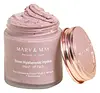
This wash off mask is made with Diatomaceous Earth and Dipotassium Glycyrrhizate for a rinse-off calming boost.

What's inside
What's inside
 Key Ingredients
Benefits
Concerns
Ingredients Side-by-side
Water
Skin ConditioningDiglycerin
Humectant
Glycerin
Humectant

Kaolin
Abrasive



Bentonite
Absorbent
Propanediol
Solvent
Zea Mays Starch
Absorbent
1,2-Hexanediol
Skin Conditioning
Rosa Damascena Flower Water
Masking
Panthenol
Skin Conditioning
Rosa Gallica Flower Powder
Skin ConditioningXanthan Gum
EmulsifyingAcrylamide/Sodium Acryloyldimethyltaurate Copolymer
Emulsion StabilisingPolyisobutene
Betaine
Humectant
Butylene Glycol
Humectant
Parfum
Masking




Ethylhexylglycerin
Skin ConditioningDipropylene Glycol
HumectantCI 77491
Cosmetic ColorantDisodium EDTA
Caprylyl/Capryl Glucoside
CleansingSorbitan Oleate
Emulsifying

Allantoin
Skin Conditioning
Hydrogenated Lecithin
Emulsifying
Centella Asiatica Extract
Cleansing

Ficus Carica Fruit Extract
Humectant
Ceramide NP
Skin Conditioning
Sodium Hyaluronate
Humectant
Tocopherol
Antioxidant



Hyaluronic Acid
Humectant
Sodium Hyaluronate Crosspolymer
Humectant
Hydroxypropyltrimonium Hyaluronate
Sodium Acetylated Hyaluronate
Humectant
Water, Diglycerin, Glycerin, Kaolin, Bentonite, Propanediol, Zea Mays Starch, 1,2-Hexanediol, Rosa Damascena Flower Water, Panthenol, Rosa Gallica Flower Powder, Xanthan Gum, Acrylamide/Sodium Acryloyldimethyltaurate Copolymer, Polyisobutene, Betaine, Butylene Glycol, Parfum, Ethylhexylglycerin, Dipropylene Glycol, CI 77491, Disodium EDTA, Caprylyl/Capryl Glucoside, Sorbitan Oleate, Allantoin, Hydrogenated Lecithin, Centella Asiatica Extract, Ficus Carica Fruit Extract, Ceramide NP, Sodium Hyaluronate, Tocopherol, Hyaluronic Acid, Sodium Hyaluronate Crosspolymer, Hydroxypropyltrimonium Hyaluronate, Sodium Acetylated Hyaluronate
Cellulose Gum
Emulsion StabilisingCI 77231
Cosmetic ColorantDiatomaceous Earth
Abrasive
Algin
MaskingGlucose
Humectant
Magnesium Oxide
AbsorbentDehydroacetic Acid
Preservative
CI 77742
Cosmetic ColorantDipotassium Glycyrrhizate
Humectant
Betaine
Humectant
Tetrasodium Pyrophosphate
BufferingPortulaca Oleracea Extract
Skin Conditioning
Allantoin
Skin Conditioning
Rosa Multiflora Extract
Antioxidant
Kaolin
Abrasive
Potassium Alginate
Emulsion StabilisingScutellaria Baicalensis Root Extract
Astringent
Parfum
Masking
Lavandula Angustifolia Flower Extract
Cleansing
Rosa Canina Seed Extract
EmollientHamamelis Virginiana Leaf Extract
Skin Conditioning
Vaccinium Angustifolium Fruit Extract
Skin Protecting
Rubus Fruticosus Fruit Extract
AstringentCeramide NP
Skin Conditioning
Sodium Hyaluronate
Humectant
Adenosine
Skin Conditioning
Paeonia Lactiflora Extract
AstringentOpuntia Coccinellifera Flower Extract
Skin ConditioningHibiscus Sabdariffa Flower Extract
Skin ConditioningCellulose Gum, CI 77231, Diatomaceous Earth, Algin, Glucose, Magnesium Oxide, Dehydroacetic Acid, CI 77742, Dipotassium Glycyrrhizate, Betaine, Tetrasodium Pyrophosphate, Portulaca Oleracea Extract, Allantoin, Rosa Multiflora Extract, Kaolin, Potassium Alginate, Scutellaria Baicalensis Root Extract, Parfum, Lavandula Angustifolia Flower Extract, Rosa Canina Seed Extract, Hamamelis Virginiana Leaf Extract, Vaccinium Angustifolium Fruit Extract, Rubus Fruticosus Fruit Extract, Ceramide NP, Sodium Hyaluronate, Adenosine, Paeonia Lactiflora Extract, Opuntia Coccinellifera Flower Extract, Hibiscus Sabdariffa Flower Extract
Ingredients Explained
These ingredients are found in both products.
Ingredients higher up in an ingredient list are typically present in a larger amount.
Allantoin is a soothing ingredient known for its protective and moisturizing properties; it's basically a quiet workhorse ingredient you can find in a huge range of cosmetics.
Though it can be derived from the comfrey plant, allantoin is produced synthetically for cosmetic products to ensure purity.
Research shows it can encourage your skin cells to turn over and renew by stimulating keratinocyte and fibroblast proliferation.
It also has mild keratolytic properties to help loosen and shed dead skin cells without being harsh.
Studies also suggest allantoin can help calm inflammation by dialing down some of the chemical signals your skin sends out when it is irritated.
This ingredient is typically used in the 0.1-0.5% range, and the FDA recognizes it as a skin protectant in OTC products up to 2%.
Overall, allantoin is a wonderful addition to most routines; it is stable across a wide pH range (~4-8), works well with other ingredients, and is considered non-sensitizing/non-irritating.
Fun fact: Allantoin is naturally occurring in comfrey root, beets, chamomile, and wheat sprouts. Our bodies even produce it as a byproduct of uric acid metabolism.
Learn more about AllantoinBetaine is a humectant. Like hyaluronic acid, it helps attract and retain moisture in the skin. It’s known for being gentle and for helping the skin maintain balanced hydration.
Betaine is mainly used to improve hydration and support calmer skin. It helps skin cells regulate water balance because it functions as an osmolyte.
Some studies suggest betaine may support making skin tone more even.
Fun fact: Betaine naturally exists in the skin and the body. In cosmetic products, it can be either plant-derived (most commonly from sugar beets) or synthetically produced for consistency and stability.
Betaine is also known as trimethylglycine.
Learn more about BetaineCeramide NP (formerly known as Ceramide 3) is one of the skin's naturally occurring lipids.
Since ceramides are the major lipid components of the skin, they are crucial for maintaining skin barrier and hydration. Ceramide NP most closely mirrors the dominant kind in human skin amongst ceramide subtypes.
This ceramide works by slotting into gaps within the stratum corneum's lipid matrix to limit trans-epidermal water loss (TEWL) and shield the skin against external irritants.
A study with 312 patients found that using a ceramide-containing routine for 4 weeks reduced the severity of atopic dermatitis by over 61%.
Another clinical study in subjects aged 60 and older found that a ceramide body wash and moisturizer improved skin dryness and itchy skin in 15 days.
Overall, ceramides are considered non-irritating and safety tests have found little to no observable adverse effects from using this ingredient.
Ceramide NP is usually sourced from plants (like soybean or rice bran), or produced synthetically.
Learn more about Ceramide NPKaolin is a clay. It is used for oil control and to help minimize pores. Like other clays, kaolin has the ability to absorb excess sebum or oil. This can help clean out pores and mattify the skin.
Some types of kaolin may have exfoliating properties. When water is added to kaolin, it becomes a paste with small abrasive particles.
Most kaolin is a white color, but may be pink/orange/red depending on where it comes from.
The name 'kaolin' comes from a Chinese village named 'Gaoling'. Kaolin clay comes from rocks rich in kaolinite. Kaolinite, the mineral, has a silicate layered structure. Kaolinite is formed from chemical weathering of aluminum siilicate minerals.
Besides skincare, kaolin is commonly used to make glossy paper, in ceramics, toothpaste, and as medicine to soothe stomach issues.
Learn more about KaolinParfum is a catch-all term for an ingredient or more that is used to give a scent to products.
Also called "fragrance", this ingredient can be a blend of hundreds of chemicals or plant oils. This means every product with "fragrance" or "parfum" in the ingredients list is a different mixture.
For instance, Habanolide is a proprietary trade name for a specific aroma chemical. When used as a fragrance ingredient in cosmetics, most aroma chemicals fall under the broad labeling category of “FRAGRANCE” or “PARFUM” according to EU and US regulations.
The term 'parfum' or 'fragrance' is not regulated in many countries. In many cases, it is up to the brand to define this term.
For instance, many brands choose to label themselves as "fragrance-free" because they are not using synthetic fragrances. However, their products may still contain ingredients such as essential oils that are considered a fragrance by INCI standards.
One example is Calendula flower extract. Calendula is an essential oil that still imparts a scent or 'fragrance'.
Depending on the blend, the ingredients in the mixture can cause allergies and sensitivities on the skin. Some ingredients that are known EU allergens include linalool and citronellol.
Parfum can also be used to mask or cover an unpleasant scent.
The bottom line is: not all fragrances/parfum/ingredients are created equally. If you are worried about fragrances, we recommend taking a closer look at an ingredient. And of course, we always recommend speaking with a professional.
Learn more about ParfumSodium Hyaluronate is the salt form of hyaluronic acid. It is a long sugar chain that is naturally found in your skin, joints, and connective tissue that maintains hydration and elasticity.
In skincare, it works as a humectant. It pulls water from the environment and deeper layers of skin and binds it to the surface.
Interestingly, the size of the molecule affects its behavior:
Some clinical evidence links low molecular weight versions to improved wrinkle depth, elasticity, anti-inflammatory effects, and barrier repair.
Many serums use a blend of both weights so you can get surface hydration plus longer-lasting and deeper effects.
You'll typically see concentrations between 0.1-2% for this ingredient.
Learn more about Sodium Hyaluronate

