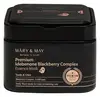
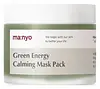
Mary & May Premium Idebenone Blackberry Complex Essence Mask Versus ma:nyo Green Energy Calming Mask Pack
This hydrating sheet mask is formulated around Panthenol to hydrate skin and strengthen the skin barrier.
This wash off mask is made with Kaolin and Camellia Sinensis Leaf Extract for a rinse-off oil-control boost.

What's inside
What's inside
 Key Ingredients
Benefits
Concerns
Ingredients Side-by-side
Water
Skin ConditioningTriticum Vulgare Seed Extract
BufferingMelaleuca Alternifolia Leaf Extract
Perfuming
Glycerin
Humectant


Butylene Glycol
Humectant
Caprylic/Capric Triglyceride
Masking
Ethylhexyl Palmitate
Emollient




1,2-Hexanediol
Skin Conditioning
Polyglyceryl-3 Methylglucose Distearate
Emulsifying
Isododecane
EmollientPanthenol
Skin Conditioning

Arginine
Masking
Acrylates/C10-30 Alkyl Acrylate Crosspolymer
Emulsion StabilisingAmmonium Acryloyldimethyltaurate/Vp Copolymer
Ethylhexylglycerin
Skin ConditioningPentylene Glycol
Skin Conditioning
Disodium EDTA
ChelatingCaprylyl Glycol
Emollient
Dipotassium Glycyrrhizate
Humectant
Glyceryl Acrylate/Acrylic Acid Copolymer
HumectantSodium Hyaluronate
Humectant

Sodium Hyaluronate Crosspolymer
Humectant
Hydrolyzed Hyaluronic Acid
Humectant
Hyaluronic Acid
Humectant
Hydrolyzed Sodium Hyaluronate
Skin Conditioning
Water, Triticum Vulgare Seed Extract, Melaleuca Alternifolia Leaf Extract, Glycerin, Butylene Glycol, Caprylic/Capric Triglyceride, Ethylhexyl Palmitate, 1,2-Hexanediol, Polyglyceryl-3 Methylglucose Distearate, Isododecane, Panthenol, Arginine, Acrylates/C10-30 Alkyl Acrylate Crosspolymer, Ammonium Acryloyldimethyltaurate/Vp Copolymer, Ethylhexylglycerin, Pentylene Glycol, Disodium EDTA, Caprylyl Glycol, Dipotassium Glycyrrhizate, Glyceryl Acrylate/Acrylic Acid Copolymer, Sodium Hyaluronate, Sodium Hyaluronate Crosspolymer, Hydrolyzed Hyaluronic Acid, Hyaluronic Acid, Hydrolyzed Sodium Hyaluronate
Camellia Sinensis Leaf Water
Masking
Kaolin
Abrasive



Glycerin
Humectant
Cetearyl Olivate
Sorbitan Olivate
Emulsifying
Camellia Sinensis Leaf Extract
Antimicrobial

Artemisia Vulgaris Extract
Skin Conditioning
Phaseolus Radiatus Seed Extract
Skin ConditioningCentella Asiatica Extract
Cleansing
Camellia Sinensis Leaf Powder
Isoamyl Laurate
Emollient
Caprylic/Capric Triglyceride
Masking
Titanium Dioxide
Cosmetic Colorant

Melaleuca Alternifolia Leaf Water
Antimicrobial
Rosa Canina Fruit Extract
Astringent
Chlorella Vulgaris Powder
Skin ConditioningMaltodextrin
Absorbent
Tagetes Erecta Flower Extract
Perfuming
Caramel
Cosmetic ColorantZanthoxylum Piperitum Fruit Extract
Skin ConditioningPulsatilla Koreana Extract
Skin ConditioningUsnea Barbata Extract
Spirodela Polyrhiza Extract
Skin ConditioningChromium Oxide Greens
Squalane
Emollient
Aloe Barbadensis Leaf Juice
Skin Conditioning
Mentha Piperita Oil
Masking




Glyceryl Caprylate
Emollient1,2-Hexanediol
Skin Conditioning
Butylene Glycol
Humectant
Glycyrrhiza Glabra Root Extract
Bleaching
Persea Gratissima Fruit Extract
EmollientMacadamia Integrifolia Seed Oil
Skin Conditioning
Camellia Sinensis Leaf Water, Kaolin, Glycerin, Cetearyl Olivate, Sorbitan Olivate, Camellia Sinensis Leaf Extract, Artemisia Vulgaris Extract, Phaseolus Radiatus Seed Extract, Centella Asiatica Extract, Camellia Sinensis Leaf Powder, Isoamyl Laurate, Caprylic/Capric Triglyceride, Titanium Dioxide, Melaleuca Alternifolia Leaf Water, Rosa Canina Fruit Extract, Chlorella Vulgaris Powder, Maltodextrin, Tagetes Erecta Flower Extract, Caramel, Zanthoxylum Piperitum Fruit Extract, Pulsatilla Koreana Extract, Usnea Barbata Extract, Spirodela Polyrhiza Extract, Chromium Oxide Greens, Squalane, Aloe Barbadensis Leaf Juice, Mentha Piperita Oil, Glyceryl Caprylate, 1,2-Hexanediol, Butylene Glycol, Glycyrrhiza Glabra Root Extract, Persea Gratissima Fruit Extract, Macadamia Integrifolia Seed Oil
Ingredients Explained
These ingredients are found in both products.
Ingredients higher up in an ingredient list are typically present in a larger amount.
1,2-Hexanediol is a synthetic liquid and another multi-functional powerhouse.
It is a:
- Humectant, drawing moisture into the skin
- Emollient, helping to soften skin
- Solvent, dispersing and stabilizing formulas
- Preservative booster, enhancing the antimicrobial activity of other preservatives
Butylene Glycol (or BG) is used within cosmetic products for a few different reasons:
Overall, Butylene Glycol is a safe and well-rounded ingredient that works well with other ingredients.
Though this ingredient works well with most skin types, some people with sensitive skin may experience a reaction such as allergic rashes, closed comedones, or itchiness.
Learn more about Butylene GlycolCaprylic/Capric Triglyceride (aka MCT Oil) is a lightweight emollient, solvent, and texture enhancer. It is considered a skin-softener by helping to prevent moisture loss.
Though it behaves like an oil, it is not technically one due to its chemical composition. One perk of this ingredient is that it is very stable, resistant to oxidation, and unlikely to go rancid.
In practice, that translates to a long shelf life and a consistently elegant skin feel.
While there is an assumption Caprylic Triglyceride can clog pores due to it being derived from coconut oil, there is no research supporting this. Just patch test if you have concerns.
Fractionated coconut oil and MCT Oil are both listed as Caprylic/Capric Triglyceride according to INCI. This is because INCI names are based on the ingredient’s final chemical composition and not its marketing name or source.
This ingredient is treated as the gold standard fungal acne safe oil. Even though it is coconut derived, the problematic lauric acid is stripped out.
This leaves just caprylic (C8) and capric (C10) acid. These chain lengths actually trend antifungal; a 2020 study found caprylic acid was enough to disrupt Malassezia furfur cell membrane, with a caprylic acid derivative damaging membrane structures at concentrations as low as 0.2%.
Learn more about Caprylic/Capric TriglycerideGlycerin (or glycerol) is a compound naturally found in your skin. It's a powerhouse humectant that pulls water into the stratum corneum.
Topically, glycerin does several things at once:
Your skin makes glycerin on its own (mostly from sebaceous oil breakdown) and shuttles it to your outermost layer of skin, or your epidermis, via aquaporin-3.
Aquaporin-3 is a transporter that is essential for normal skin hydration, elasticity, and repair. Interestingly, mice lacking in AQP3 have dry and less elastic skin that can be fully corrected with glycerin.
This ingredient is non-irritating, plays well with almost every ingredient, and works across all skin types. Typical use is anywhere between 3-10% but can go up to 79% in some leave-on products.
Just know very high concentrations (>40%) can feel tacky in low humidity.
Glycerin is the name for this ingredient in American English. British English uses Glycerol/Glycerine.
Learn more about Glycerin

