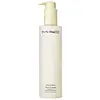
This oil-based cleanser is made to cleanse without leaving your skin tight or dry.
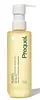
This oil-based makeup remover is made to dissolve makeup, sunscreen, and daily buildup.

What's inside
What's inside
 Key Ingredients
Benefits
Concerns
Ingredients Side-by-side
Isopropyl Palmitate
Emollient




Caprylic/Capric Triglyceride
Masking


PEG-20 Glyceryl Triisostearate
Emollient
Isohexadecane
EmollientPentaerythrityl Tetraethylhexanoate
Emollient
PEG-8 Diisostearate
Emulsifying
Coco-Caprylate/Caprate
Emollient
Triisostearin
Skin Conditioning
PEG-12 Diisostearate
Emulsifying
Paeonia Albiflora Flower Extract
TonicCamellia Japonica Seed Oil
Emollient
Simmondsia Chinensis Seed Oil
Emollient
Limnanthes Alba Seed Oil
Skin Conditioning
Helianthus Annuus Seed Oil
Emollient
Zea Mays Oil
Emulsifying
Water
Skin ConditioningCaprylyl Glycol
Emollient
Butylene Glycol
Humectant
Polyglyceryl-2 Triisostearate
Emulsifying
Hexylene Glycol
EmulsifyingDipentaerythrityl Tri-Polyhydroxystearate
Emollient
Parfum
Masking

Tocopheryl Acetate
Antioxidant


Phenoxyethanol
Preservative
Isopropyl Palmitate, Caprylic/Capric Triglyceride, PEG-20 Glyceryl Triisostearate, Isohexadecane, Pentaerythrityl Tetraethylhexanoate, PEG-8 Diisostearate, Coco-Caprylate/Caprate, Triisostearin, PEG-12 Diisostearate, Paeonia Albiflora Flower Extract, Camellia Japonica Seed Oil, Simmondsia Chinensis Seed Oil, Limnanthes Alba Seed Oil, Helianthus Annuus Seed Oil, Zea Mays Oil, Water, Caprylyl Glycol, Butylene Glycol, Polyglyceryl-2 Triisostearate, Hexylene Glycol, Dipentaerythrityl Tri-Polyhydroxystearate, Parfum, Tocopheryl Acetate, Phenoxyethanol




Reviews
Ingredients Explained
These ingredients are found in both products.
Ingredients higher up in an ingredient list are typically present in a larger amount.
Helianthus Annuus Seed Oil is a plant oil derived from the seeds of a sunflower.
It is rich in fatty acids, primarily linoleic acid and oleic acid. This gives it emollient and skin conditioning properties.
The reason this ingredient is so effective is because it forms a thin film on the skin that reduces transepidermal water loss (TEWL) while supplying linoleic acid to the stratum corneum to improve barrier strength.
The high linoleic acid content is particularly noteworthy for acne-prone skin.
Research suggests that acne-prone skin tends to be deficient in linoleic acid in sebum. Topical application may help replenish this to support a healthier follicular environment and less comedone-promoting sebum.
One randomized study found sunflower seed oil preserved skin barrier integrity in adult volunteers with and without atopic dermatitis (outperforming olive oil).
This ingredient is well-studied, gentle, and an effective emollient suitable for most skin types.
On fungal acne: This ingredient may not be Fungal acne (Malassezia folliculitis) safe. This is because it contains fatty acids with carbon chain lengths in the C11-C24 range.
Learn more about Helianthus Annuus Seed OilPEG-20 Glyceryl Triisostearate is a synthetic, oil-loving helper ingredient that does two jobs:
This ingredient is made by joining three building blocks: PEG, Isostearic Acid and glycerin. The PEG gives it the oil-and-water blending power.
This ingredient has been found safe for use in cosmetics and broader PEG family testing shows minimal irritation/sensitization. The molecule's large size also means it isn't expected to penetrate skin to any meaningful degree.
Fungal acne note: This ingredient may not be fungal acne safe due to isostearic acid (C18). Isostearic acid falls into the C11-24 range that Malassezia can feed on.
Learn more about PEG-20 Glyceryl Triisostearate

