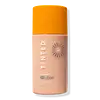
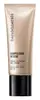
Live Tinted Hueguard Glotion Mineral Sunscreen Broad Spectrum SPF 50 Versus bareMinerals Complexion Rescue Tinted Hydrating Gel Cream SPF30

What's inside
What's inside
 Key Ingredients
Benefits
Concerns
Ingredients Side-by-side
Zinc Oxide 14%
Cosmetic Colorant


Butylene Glycol
Humectant

Butyloctyl Salicylate
Skin Conditioning
Caprylic/Capric Triglyceride
Masking
C12-15 Alkyl Benzoate
AntimicrobialC13-15 Alkane
SolventC15-19 Alkane
SolventCitric Acid
Buffering


Clitoria Ternatea Flower Extract
Skin ConditioningDisteardimonium Hectorite
StabilisingEpilobium Fleischeri Flower/Leaf/Stem Extract
Skin ConditioningEthyl Ferulate
Antioxidant
Ethylhexylglycerin
Skin ConditioningFragaria Ananassa Fruit Extract
Skin Conditioning
Glycerin
Humectant
Iron Oxides
Isostearic Acid
Cleansing


Lecithin
Emollient
Magnesium Sulfate
Mica
Cosmetic ColorantOctyldodecanol
Emollient
Polyglyceryl-3 Polyricinoleate
Emulsifying
Polyglyceryl-4 Diisostearate/Polyhydroxystearate/Sebacate
Emulsifying
Polyhydroxystearic Acid
Emulsifying
Propanediol
Solvent
Sh-Polypeptide-121
Skin Conditioning
Silica
Abrasive

Sodium Benzoate
Masking
Squalane
Emollient
Tin Oxide
Abrasive
CI 77891
Cosmetic ColorantTocopherol
Antioxidant


Vitis Vinifera Leaf Extract
Skin ConditioningWater
Skin ConditioningZinc Stearate
Cosmetic ColorantZinc Oxide 14%, Butylene Glycol, Butyloctyl Salicylate, Caprylic/Capric Triglyceride, C12-15 Alkyl Benzoate, C13-15 Alkane, C15-19 Alkane, Citric Acid, Clitoria Ternatea Flower Extract, Disteardimonium Hectorite, Epilobium Fleischeri Flower/Leaf/Stem Extract, Ethyl Ferulate, Ethylhexylglycerin, Fragaria Ananassa Fruit Extract, Glycerin, Iron Oxides, Isostearic Acid, Lecithin, Magnesium Sulfate, Mica, Octyldodecanol, Polyglyceryl-3 Polyricinoleate, Polyglyceryl-4 Diisostearate/Polyhydroxystearate/Sebacate, Polyhydroxystearic Acid, Propanediol, Sh-Polypeptide-121, Silica, Sodium Benzoate, Squalane, Tin Oxide, CI 77891, Tocopherol, Vitis Vinifera Leaf Extract, Water, Zinc Stearate
Titanium Dioxide 6.2%
Cosmetic Colorant
Water
Skin ConditioningCoconut Alkanes
Emollient
Propanediol
Solvent
Squalane
Emollient
Trehalose
Humectant
Isostearic Acid
Cleansing
Glycerin
Humectant
Silica
Abrasive
Agar
MaskingCaprylic/Capric Triglyceride
Masking
Globularia Cordifolia Callus Culture Extract
Skin ConditioningSalicornia Herbacea Extract
Skin ConditioningMelilotus Officinalis Extract
AstringentCoco-Caprylate/Caprate
Emollient
Butylene Glycol
Humectant
Lauroyl Lysine
Skin Conditioning
Sodium Hyaluronate
Humectant
Succinoglycan
Skin ConditioningPolysorbate 60
Emulsifying
Cellulose Gum
Emulsion StabilisingPolyglyceryl-4 Laurate/Succinate
Sorbitan Sesquiisostearate
Emulsifying
Magnesium Stearate
Cosmetic ColorantMagnesium Hydroxide
AbsorbentMagnesium Chloride
Potassium Chloride
Calcium Chloride
AstringentPotassium Sorbate
Preservative
Phenoxyethanol
Preservative
Titanium Dioxide 6.2%, Water, Coconut Alkanes, Propanediol, Squalane, Trehalose, Isostearic Acid, Glycerin, Silica, Agar, Caprylic/Capric Triglyceride, Globularia Cordifolia Callus Culture Extract, Salicornia Herbacea Extract, Melilotus Officinalis Extract, Coco-Caprylate/Caprate, Butylene Glycol, Lauroyl Lysine, Sodium Hyaluronate, Succinoglycan, Polysorbate 60, Cellulose Gum, Polyglyceryl-4 Laurate/Succinate, Sorbitan Sesquiisostearate, Magnesium Stearate, Magnesium Hydroxide, Magnesium Chloride, Potassium Chloride, Calcium Chloride, Potassium Sorbate, Phenoxyethanol
Reviews
Ingredients Explained
These ingredients are found in both products.
Ingredients higher up in an ingredient list are typically present in a larger amount.
Butylene Glycol (or BG) is used within cosmetic products for a few different reasons:
Overall, Butylene Glycol is a safe and well-rounded ingredient that works well with other ingredients.
Though this ingredient works well with most skin types, some people with sensitive skin may experience a reaction such as allergic rashes, closed comedones, or itchiness.
Learn more about Butylene GlycolCaprylic/Capric Triglyceride (aka MCT Oil) is a lightweight emollient, solvent, and texture enhancer. It is considered a skin-softener by helping to prevent moisture loss.
Though it behaves like an oil, it is not technically one due to its chemical composition. One perk of this ingredient is that it is very stable, resistant to oxidation, and unlikely to go rancid.
In practice, that translates to a long shelf life and a consistently elegant skin feel.
While there is an assumption Caprylic Triglyceride can clog pores due to it being derived from coconut oil, there is no research supporting this. Just patch test if you have concerns.
Fractionated coconut oil and MCT Oil are both listed as Caprylic/Capric Triglyceride according to INCI. This is because INCI names are based on the ingredient’s final chemical composition and not its marketing name or source.
This ingredient is treated as the gold standard fungal acne safe oil. Even though it is coconut derived, the problematic lauric acid is stripped out.
This leaves just caprylic (C8) and capric (C10) acid. These chain lengths actually trend antifungal; a 2020 study found caprylic acid was enough to disrupt Malassezia furfur cell membrane, with a caprylic acid derivative damaging membrane structures at concentrations as low as 0.2%.
Learn more about Caprylic/Capric TriglycerideGlycerin (or glycerol) is a compound naturally found in your skin. It's a powerhouse humectant that pulls water into the stratum corneum.
Topically, glycerin does several things at once:
Your skin makes glycerin on its own (mostly from sebaceous oil breakdown) and shuttles it to your outermost layer of skin, or your epidermis, via aquaporin-3.
Aquaporin-3 is a transporter that is essential for normal skin hydration, elasticity, and repair. Interestingly, mice lacking in AQP3 have dry and less elastic skin that can be fully corrected with glycerin.
This ingredient is non-irritating, plays well with almost every ingredient, and works across all skin types. Typical use is anywhere between 3-10% but can go up to 79% in some leave-on products.
Just know very high concentrations (>40%) can feel tacky in low humidity.
Glycerin is the name for this ingredient in American English. British English uses Glycerol/Glycerine.
Learn more about GlycerinIsostearic Acid is a fatty acid and a structural cousin of stearic acid. It is an emulsifier.
The branched structure of this ingredient enhances fluidity and gives it a lighter, less greasy feel compared to other fatty acids. It helps improve texture and consistency because it prevents oil and water phases from separating.
This ingredient is sourced from plant-based oils like soybean or rapeseed.
Clinical studies found no signs of irritation from this ingredient.
Since Isostearic Acid is an 18-carbon fatty acid, it is in the range that Malassezia can feed on. This ingredient may not be fungal acne safe.
You might have seen sources that this ingredient is comedogenic. The original comedogenic testing on rabbit ear actually tested the ester, Isopropyl Isostearate and not Isostearic acid itself.
Any finished product with this ingredient won't automatically make you break out; it really comes down to concentration, formula, and your skin.
Because isostearic acid is a C18 fatty acid, this ingredient may not be fungal acne safe. The Malassezia yeast metabolizes fatty acids in the C11-24 range.
Learn more about Isostearic AcidPropanediol is an all-star ingredient. It softens, hydrates, and smooths the skin.
It’s often used to:
Propanediol is not likely to cause sensitivity and considered safe to use. It is derived from corn or petroleum with a clear color and no scent.
Learn more about PropanediolSilica, also known as silicon dioxide, is a naturally occurring mineral. It is used as a fine, spherical, and porous powder in cosmetics.
Though it has exfoliant properties, the function of silica varies depending on the product.
The unique structure of silica enhances the spreadability and adds smoothness, making it a great texture enhancer.
It is also used as an active carrier, emulsifier, and mattifier due to its ability to absorb excess oil.
In some products, tiny microneedles called spicules are made from silica or hydrolyzed sponge. When you rub them in, they lightly polish away dead skin layers and enhance the penetration of active ingredients.
Learn more about SilicaSqualane is the hydrogenated and shelf-stable form of squalene (a lipid that naturally occurs in human sebum).
It is an emollient and skin conditioning agent that is able to integrate seamlessly into the skin's lipid barrier without clogging pores.
This is due to how structurally similar it is to what your skin already produces.
Though it is mostly an emollient that helps soften and hydrate skin, it also has some humectant and occlusive action. Humectants help the skin retain moisture while occlusives seal it in, making squalane a triple-threat moisturizer.
Research shows it has antioxidant capabilities that help protect against stressors like UV exposure, specifically UVA induced oxidative stress. This study also found that it supports collagen biosynthesis in human dermal fibroblasts.
No clinical study has reported significant adverse effects and irritation reactions are very rare from this ingredient (even at 100% concentration).
Overall, it's a fantastic ingredient for hydration and is suitable for all skin types.
This depends on the source. Squalane can be derived from both plants and animals. Most squalane used in skincare comes from plants.
Please note: the source of squalane is only known if disclosed by the brand. We recommend reaching out to the brand if you have any questions about their squalane.
Read more about squalene with an "e".
Though squalane is often called an oil, it’s technically not one. It is a hydrocarbon, meaning it is only made of carbon and hydrogen. True oils are triglycerides and made of fatty acids and glycerol.
The term “oil-free” isn’t regulated so companies can define it however they want. Some exclude all oils, while others just avoid mineral oil or comedogenic oils.
Squalane has a comedogenic rating of 1 from the original 1972 study that tested raw ingredients under occlusion on rabbit ears. This system is not standardized or peer-reviewed, and using the raw ingredients is very different from how diluted cosmetic formulations are used on human skin.
A comedogenic rating of 1 means it is "unlikely to clog pores" according to the original rating system.
The overall formula of a product matters more than the individual ingredients on whether or not it will cause clogged pores.
Learn more about SqualaneWater. It's the most common cosmetic ingredient of all. You'll usually see it at the top of ingredient lists, meaning that it makes up the largest part of the product.
So why is it so popular? Water most often acts as a solvent - this means that it helps dissolve other ingredients into the formulation.
You'll also recognize water as that liquid we all need to stay alive. If you see this, drink a glass of water. Remember to stay hydrated!
Learn more about Water


