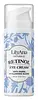
This anti-aging eye moisturizer is formulated around Aloe Barbadensis Leaf Juice and Retinol to soften the look of wrinkles and hydrate skin.
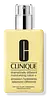
This barrier-repair moisturizer is formulated around Petrolatum and Urea to strengthen the skin barrier and hydrate skin.

What's inside
What's inside
 Key Ingredients
Benefits
Concerns
Ingredients Side-by-side
Aloe Barbadensis Leaf Juice
Skin Conditioning


Simmondsia Chinensis Seed Oil
Emollient




Glycerin
Humectant
Helianthus Annuus Seed Oil
Emollient
Cetearyl Alcohol
Emollient




Sambucus Nigra Fruit Extract
AstringentArachidyl Alcohol
Emollient
Tribehenin
Emollient
Tocopheryl Acetate
Antioxidant


Glyceryl Stearate
Emollient
Amylopectin
Cetearyl Glucoside
Emulsifying
Retinol
Skin Conditioning







Butyrospermum Parkii Butter
Skin Conditioning
Behenyl Alcohol
Emollient
Niacinamide
Smoothing
Acacia Senegal Gum
MaskingXanthan Gum
EmulsifyingArachidyl Glucoside
EmulsifyingCucumis Sativus Fruit Extract
Emollient
Oenothera Biennis Root Extract
Skin ConditioningSilica
Abrasive
Sorbitol
Humectant
Yeast Extract
Skin ConditioningHyaluronic Acid
Humectant
Allantoin
Skin Conditioning
Caffeine
Skin Conditioning
Rosa Damascena Flower Water
Masking
Titanium Dioxide
Cosmetic Colorant

Iron Oxides
Aloe Barbadensis Leaf Juice, Simmondsia Chinensis Seed Oil, Glycerin, Helianthus Annuus Seed Oil, Cetearyl Alcohol, Sambucus Nigra Fruit Extract, Arachidyl Alcohol, Tribehenin, Tocopheryl Acetate, Glyceryl Stearate, Amylopectin, Cetearyl Glucoside, Retinol, Butyrospermum Parkii Butter, Behenyl Alcohol, Niacinamide, Acacia Senegal Gum, Xanthan Gum, Arachidyl Glucoside, Cucumis Sativus Fruit Extract, Oenothera Biennis Root Extract, Silica, Sorbitol, Yeast Extract, Hyaluronic Acid, Allantoin, Caffeine, Rosa Damascena Flower Water, Titanium Dioxide, Iron Oxides
Water
Skin ConditioningParaffinum Liquidum
Emollient
Glycerin
Humectant
Petrolatum
Emollient
Stearic Acid
Cleansing
Glyceryl Stearate
Emollient
Sesamum Indicum Seed Oil
Emollient
Urea
Buffering
Lanolin Alcohol
Emollient
Triethanolamine
BufferingHordeum Vulgare Extract
EmollientCucumis Sativus Fruit Extract
Emollient
Helianthus Annuus Seedcake
Abrasive
Propylene Glycol Dicaprate
EmollientSodium Hyaluronate
Humectant
Butylene Glycol
Humectant
Pentylene Glycol
Skin Conditioning
Trisodium EDTA
ChelatingPhenoxyethanol
Preservative
CI 15985
Cosmetic ColorantCI 19140
Cosmetic ColorantCI 17200
Cosmetic ColorantWater, Paraffinum Liquidum, Glycerin, Petrolatum, Stearic Acid, Glyceryl Stearate, Sesamum Indicum Seed Oil, Urea, Lanolin Alcohol, Triethanolamine, Hordeum Vulgare Extract, Cucumis Sativus Fruit Extract, Helianthus Annuus Seedcake, Propylene Glycol Dicaprate, Sodium Hyaluronate, Butylene Glycol, Pentylene Glycol, Trisodium EDTA, Phenoxyethanol, CI 15985, CI 19140, CI 17200
Reviews
Ingredients Explained
These ingredients are found in both products.
Ingredients higher up in an ingredient list are typically present in a larger amount.
This extract comes from cucumber. Cucumbers are mostly made up of water (95%), and the other 5% is composed of: vitamin C, caffeic acid, fatty acids, amino acids, and other minerals.
Cucumbers have anti-inflammatory, barrier repair, and hydrating properties.
They contain shikimate dehydrigenase, an enzyme shown to help reduce inflammation and soothe the skin.
The amino acids found in cucumbers help nourish our skin's natural acid mantle (it's an important part of our skin barrier). This slightly acidic film acts as a barrier to protect us from bacteria, viruses, and other contaminants.
Unless you have an allergy to cucumbers, this is generally a non-irritating ingredient.
Fun fact: Cucumis Sativus is native to South Asia and can now be found on every continent.
Learn more about Cucumis Sativus Fruit ExtractGlycerin (or glycerol) is a compound naturally found in your skin. It's a powerhouse humectant that pulls water into the stratum corneum.
Topically, glycerin does several things at once:
Your skin makes glycerin on its own (mostly from sebaceous oil breakdown) and shuttles it to your outermost layer of skin, or your epidermis, via aquaporin-3.
Aquaporin-3 is a transporter that is essential for normal skin hydration, elasticity, and repair. Interestingly, mice lacking in AQP3 have dry and less elastic skin that can be fully corrected with glycerin.
This ingredient is non-irritating, plays well with almost every ingredient, and works across all skin types. Typical use is anywhere between 3-10% but can go up to 79% in some leave-on products.
Just know very high concentrations (>40%) can feel tacky in low humidity.
Glycerin is the name for this ingredient in American English. British English uses Glycerol/Glycerine.
Learn more about GlycerinGlyceryl Stearate is made by reacting glycerin with stearic acid (typically sourced from plant oils like palm or coconut). It's an emulsifier, emollient, and mild occlusive.
Emulsifiers help ingredients like oil and water stay mixed so your formula stays nicely blended and uniform in texture.
This ingredient is typically used in concentrations between 1-10%. Studies have found it to be non-sensitizing, non-phototoxic, and non-photoallergenic.
A close cousin of this ingredient is Glyceryl Stearate SE ("self-emulsifying"). This just has a small amount of sodium or potassium stearate added so it can emulsify without a co-emulsifier.
Since this ingredient is an ester of a C18 fatty acid, it may not be fungal acne safe. The Malassezia yeast can potentially metabolize within the C11-C24 range.
Fun fact: The human body also creates Glyceryl Stearate naturally.
Learn more about Glyceryl Stearate


