
What's inside
What's inside
 Key Ingredients
Benefits
Concerns
No concerns
Ingredients Side-by-side
Water
Skin ConditioningCyclopentasiloxane
Emollient
Sorbitol
Humectant

Caprylic/Capric Triglyceride
Masking
Stearic Acid
Cleansing

Helianthus Annuus Seed Oil
Emollient
Isohexadecane
EmollientGlycol Stearate
Emollient
Dimethicone
Emollient
Triethanolamine
BufferingSodium Acrylate/Sodium Acryloyldimethyl Taurate Copolymer
Emulsion StabilisingGlyceryl Stearate
Emollient
Phenoxyethanol
Preservative
Parfum
Masking



Cetyl Alcohol
Emollient
Methylparaben
Preservative

Carbomer
Emulsion StabilisingTitanium Dioxide
Cosmetic Colorant
Dimethiconol
Emollient
Polysorbate 80
Emulsifying
Tocopheryl Acetate
Antioxidant


Propylparaben
Preservative
Xanthan Gum
EmulsifyingDisodium EDTA
BHT
Antioxidant
Prunus Persica Fruit Extract
Abrasive
Stearamide Amp
Linalool
Perfuming

Butylphenyl Methylpropional
Perfuming
Alpha-Isomethyl Ionone
Perfuming
Citronellol
Perfuming
CI 14700
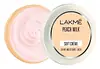
Cosmetic ColorantWater, Cyclopentasiloxane, Sorbitol, Caprylic/Capric Triglyceride, Stearic Acid, Helianthus Annuus Seed Oil, Isohexadecane, Glycol Stearate, Dimethicone, Triethanolamine, Sodium Acrylate/Sodium Acryloyldimethyl Taurate Copolymer, Glyceryl Stearate, Phenoxyethanol, Parfum, Cetyl Alcohol, Methylparaben, Carbomer, Titanium Dioxide, Dimethiconol, Polysorbate 80, Tocopheryl Acetate, Propylparaben, Xanthan Gum, Disodium EDTA, BHT, Prunus Persica Fruit Extract, Stearamide Amp, Linalool, Butylphenyl Methylpropional, Alpha-Isomethyl Ionone, Citronellol, CI 14700
Water
Skin ConditioningDimethicone
Emollient
Glycerin
Humectant
Butylene Glycol
Humectant
Ammonium Acryloyldimethyltaurate/Vp Copolymer
Ethylhexylglycerin
Skin ConditioningPhenoxyethanol
Preservative
Linoleamidopropyl Pg-Dimonium Chloride Phosphate
Ammonium Acryloyldimethyltaurate Crosspolymer
Emulsion StabilisingDimethicone Crosspolymer
Emulsion Stabilising
Caprylic/Capric Triglyceride
Masking
Hyaluronic Acid
Humectant

Niacinamide
Smoothing







Sodium PCA
Humectant
Xylitylglucoside
Humectant
Anhydroxylitol
Humectant
Xylitol
Humectant
Acrylates/Beheneth-25 Methacrylate/Hema Crosspolymer
Emulsion StabilisingAscorbic Acid
Antioxidant
Carica Papaya Fruit Extract
Skin ConditioningCI 19140
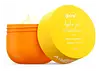
Cosmetic ColorantWater, Dimethicone, Glycerin, Butylene Glycol, Ammonium Acryloyldimethyltaurate/Vp Copolymer, Ethylhexylglycerin, Phenoxyethanol, Linoleamidopropyl Pg-Dimonium Chloride Phosphate, Ammonium Acryloyldimethyltaurate Crosspolymer, Dimethicone Crosspolymer, Caprylic/Capric Triglyceride, Hyaluronic Acid, Niacinamide, Sodium PCA, Xylitylglucoside, Anhydroxylitol, Xylitol, Acrylates/Beheneth-25 Methacrylate/Hema Crosspolymer, Ascorbic Acid, Carica Papaya Fruit Extract, CI 19140
Ingredients Explained
These ingredients are found in both products.
Ingredients higher up in an ingredient list are typically present in a larger amount.
Caprylic/Capric Triglyceride (aka MCT Oil) is a lightweight emollient, solvent, and texture enhancer. It is considered a skin-softener by helping to prevent moisture loss.
Though it behaves like an oil, it is not technically one due to its chemical composition. One perk of this ingredient is that it is very stable, resistant to oxidation, and unlikely to go rancid.
In practice, that translates to a long shelf life and a consistently elegant skin feel.
While there is an assumption Caprylic Triglyceride can clog pores due to it being derived from coconut oil, there is no research supporting this. Just patch test if you have concerns.
Fractionated coconut oil and MCT Oil are both listed as Caprylic/Capric Triglyceride according to INCI. This is because INCI names are based on the ingredient’s final chemical composition and not its marketing name or source.
This ingredient is treated as the gold standard fungal acne safe oil. Even though it is coconut derived, the problematic lauric acid is stripped out.
This leaves just caprylic (C8) and capric (C10) acid. These chain lengths actually trend antifungal; a 2020 study found caprylic acid was enough to disrupt Malassezia furfur cell membrane, with a caprylic acid derivative damaging membrane structures at concentrations as low as 0.2%.
Learn more about Caprylic/Capric TriglycerideDimethicone is a type of synthetic silicone created from natural materials such as quartz. It is also known as polydimethylsiloxane.
What it does:
Dimethicone comes in different viscosities:
Depending on the viscosity, dimethicone has different properties.
Ingredients lists don't always show which type is used, so we recommend reaching out to the brand if you have questions about the viscosity.
This ingredient is unlikely to cause irritation because it does not get absorbed into skin. However, people with silicone allergies should be careful about using this ingredient.
Note: Dimethicone may contribute to pilling. This is because it is not oil or water soluble, so pilling may occur when layered with products. When mixed with heavy oils in a formula, the outcome is also quite greasy.
Learn more about DimethiconePhenoxyethanol is a preservative that has germicide, antimicrobial, and aromatic properties. Studies show that phenoxyethanol can prevent microbial growth. By itself, it has a scent that is similar to that of a rose.
It's often used in formulations along with Caprylyl Glycol to preserve the shelf life of products.
Water. It's the most common cosmetic ingredient of all. You'll usually see it at the top of ingredient lists, meaning that it makes up the largest part of the product.
So why is it so popular? Water most often acts as a solvent - this means that it helps dissolve other ingredients into the formulation.
You'll also recognize water as that liquid we all need to stay alive. If you see this, drink a glass of water. Remember to stay hydrated!
Learn more about Water
