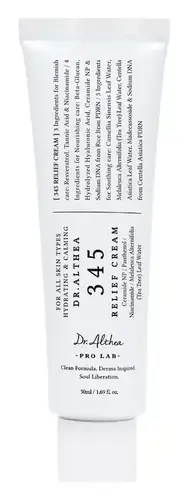
This barrier-repair moisturizer is formulated around Urea to strengthen the skin barrier and hydrate skin.
This brightening moisturizer is formulated around Hyaluronic Acid and Niacinamide to brighten dull-looking skin and hydrate skin.

What's inside
What's inside
 Key Ingredients
Benefits
Concerns
No concerns
Ingredients Side-by-side
Propylene Glycol
Humectant


Urea
Buffering


Lecithin
Emollient
Magnesium Aluminum Silicate
Absorbent
Carbomer
Emulsion StabilisingGlycerin
Humectant
Sodium Hydroxide
BufferingCaprylic/Capric Triglyceride
Masking
Dimethicone
Emollient
Squalene
Emollient
PEG-40 Stearate
Emulsifying
Stearic Acid
Cleansing
Glycol Stearate
Emollient
Glyceryl Stearate
Emollient
Cetyl Alcohol
Emollient
Myristyl Myristate
Emollient
Oleth-10 Carboxylic Acid
CleansingBHA
Antioxidant
Toluene
Antioxidant
Water
Skin ConditioningEDTA
ChelatingPropylene Glycol, Urea, Lecithin, Magnesium Aluminum Silicate, Carbomer, Glycerin, Sodium Hydroxide, Caprylic/Capric Triglyceride, Dimethicone, Squalene, PEG-40 Stearate, Stearic Acid, Glycol Stearate, Glyceryl Stearate, Cetyl Alcohol, Myristyl Myristate, Oleth-10 Carboxylic Acid, BHA, Toluene, Water, EDTA
Water
Skin ConditioningDimethicone
Emollient
Glycerin
Humectant
Butylene Glycol
Humectant
Ammonium Acryloyldimethyltaurate/Vp Copolymer
Ethylhexylglycerin
Skin ConditioningPhenoxyethanol
Preservative
Linoleamidopropyl Pg-Dimonium Chloride Phosphate
Ammonium Acryloyldimethyltaurate Crosspolymer
Emulsion StabilisingDimethicone Crosspolymer
Emulsion Stabilising
Caprylic/Capric Triglyceride
Masking
Hyaluronic Acid
Humectant

Niacinamide
Smoothing






Sodium PCA
Humectant
Xylitylglucoside
Humectant
Anhydroxylitol
Humectant
Xylitol
Humectant
Acrylates/Beheneth-25 Methacrylate/Hema Crosspolymer
Emulsion StabilisingAscorbic Acid
Antioxidant
Carica Papaya Fruit Extract
Skin ConditioningCI 19140
Cosmetic ColorantWater, Dimethicone, Glycerin, Butylene Glycol, Ammonium Acryloyldimethyltaurate/Vp Copolymer, Ethylhexylglycerin, Phenoxyethanol, Linoleamidopropyl Pg-Dimonium Chloride Phosphate, Ammonium Acryloyldimethyltaurate Crosspolymer, Dimethicone Crosspolymer, Caprylic/Capric Triglyceride, Hyaluronic Acid, Niacinamide, Sodium PCA, Xylitylglucoside, Anhydroxylitol, Xylitol, Acrylates/Beheneth-25 Methacrylate/Hema Crosspolymer, Ascorbic Acid, Carica Papaya Fruit Extract, CI 19140
Reviews
Ingredients Explained
These ingredients are found in both products.
Ingredients higher up in an ingredient list are typically present in a larger amount.
Caprylic/Capric Triglyceride (aka MCT Oil) is a lightweight emollient, solvent, and texture enhancer. It is considered a skin-softener by helping to prevent moisture loss.
Though it behaves like an oil, it is not technically one due to its chemical composition. One perk of this ingredient is that it is very stable, resistant to oxidation, and unlikely to go rancid.
In practice, that translates to a long shelf life and a consistently elegant skin feel.
While there is an assumption Caprylic Triglyceride can clog pores due to it being derived from coconut oil, there is no research supporting this. Just patch test if you have concerns.
Fractionated coconut oil and MCT Oil are both listed as Caprylic/Capric Triglyceride according to INCI. This is because INCI names are based on the ingredient’s final chemical composition and not its marketing name or source.
This ingredient is treated as the gold standard fungal acne safe oil. Even though it is coconut derived, the problematic lauric acid is stripped out.
This leaves just caprylic (C8) and capric (C10) acid. These chain lengths actually trend antifungal; a 2020 study found caprylic acid was enough to disrupt Malassezia furfur cell membrane, with a caprylic acid derivative damaging membrane structures at concentrations as low as 0.2%.
Learn more about Caprylic/Capric TriglycerideDimethicone is a type of synthetic silicone created from natural materials such as quartz. It is also known as polydimethylsiloxane.
What it does:
Dimethicone comes in different viscosities:
Depending on the viscosity, dimethicone has different properties.
Ingredients lists don't always show which type is used, so we recommend reaching out to the brand if you have questions about the viscosity.
This ingredient is unlikely to cause irritation because it does not get absorbed into skin. However, people with silicone allergies should be careful about using this ingredient.
Note: Dimethicone may contribute to pilling. This is because it is not oil or water soluble, so pilling may occur when layered with products. When mixed with heavy oils in a formula, the outcome is also quite greasy.
Learn more about DimethiconeGlycerin (or glycerol) is a compound naturally found in your skin. It's a powerhouse humectant that pulls water into the stratum corneum.
Topically, glycerin does several things at once:
Your skin makes glycerin on its own (mostly from sebaceous oil breakdown) and shuttles it to your outermost layer of skin, or your epidermis, via aquaporin-3.
Aquaporin-3 is a transporter that is essential for normal skin hydration, elasticity, and repair. Interestingly, mice lacking in AQP3 have dry and less elastic skin that can be fully corrected with glycerin.
This ingredient is non-irritating, plays well with almost every ingredient, and works across all skin types. Typical use is anywhere between 3-10% but can go up to 79% in some leave-on products.
Just know very high concentrations (>40%) can feel tacky in low humidity.
Glycerin is the name for this ingredient in American English. British English uses Glycerol/Glycerine.
Learn more about GlycerinWater. It's the most common cosmetic ingredient of all. You'll usually see it at the top of ingredient lists, meaning that it makes up the largest part of the product.
So why is it so popular? Water most often acts as a solvent - this means that it helps dissolve other ingredients into the formulation.
You'll also recognize water as that liquid we all need to stay alive. If you see this, drink a glass of water. Remember to stay hydrated!
Learn more about Water