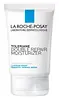
This barrier-repair moisturizer is formulated around Squalane and Niacinamide to strengthen the skin barrier and hydrate skin.
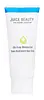
This moisturizer is formulated around Punica Granatum Seed Oil and Aloe Barbadensis Leaf Juice to hydrate skin.


What's inside
What's inside
 Key Ingredients
Benefits
Concerns
Ingredients Side-by-side
Water
Skin ConditioningGlycerin
Humectant


Squalane
Emollient
Dimethicone
Emollient
Zea Mays Starch
Absorbent
Niacinamide
Smoothing







Ammonium Polyacryloyldimethyl Taurate
Emulsion StabilisingMyristyl Myristate
Emollient




Stearic Acid
Cleansing
Ceramide NP
Skin Conditioning
Potassium Cetyl Phosphate
EmulsifyingGlyceryl Stearate Se
Emulsifying
Sodium Hydroxide
BufferingMyristic Acid
Cleansing
Palmitic Acid
Emollient
Capryloyl Glycine
CleansingCaprylyl Glycol
Emollient
Xanthan Gum
EmulsifyingWater, Glycerin, Squalane, Dimethicone, Zea Mays Starch, Niacinamide, Ammonium Polyacryloyldimethyl Taurate, Myristyl Myristate, Stearic Acid, Ceramide NP, Potassium Cetyl Phosphate, Glyceryl Stearate Se, Sodium Hydroxide, Myristic Acid, Palmitic Acid, Capryloyl Glycine, Caprylyl Glycol, Xanthan Gum
Salvia Officinalis Leaf Extract
CleansingPunica Granatum Seed Oil
Emollient
Aloe Barbadensis Leaf Juice
Skin Conditioning
Vitis Vinifera Juice
Antioxidant
Cetearyl Alcohol
Emollient
Ethylhexyl Palmitate
Emollient
Caprylic/Capric Triglyceride
Masking
Glycerin
Humectant
Squalane
Emollient
Cetearyl Glucoside
Emulsifying
Sodium PCA
Humectant
Punica Granatum Fruit Juice
MaskingSodium Hyaluronate
Humectant
Zea Mays Starch
Absorbent
Diheptyl Succinate
EmollientCapryloyl Glycerin
Calendula Officinalis Flower Extract
Masking
Punica Granatum Pericarp Extract
Skin ConditioningCoenochloris Signiensis Extract
Skin ConditioningSpirulina Platensis Extract
Skin ProtectingPanthenol
Skin Conditioning
Ascorbic Acid
Antioxidant
Gluconolactone
Chelating
Sodium Benzoate
Masking
Sodium Phytate
ChelatingCaprylhydroxamic Acid
ChelatingGlyceryl Caprylate
EmollientXanthan Gum
EmulsifyingGlucose
Humectant
Potassium Hydroxide
BufferingPalmitic Acid
Emollient
Maltodextrin
Absorbent
Lecithin
Emollient
Menthol
Masking


Salvia Officinalis Leaf Extract, Punica Granatum Seed Oil, Aloe Barbadensis Leaf Juice, Vitis Vinifera Juice, Cetearyl Alcohol, Ethylhexyl Palmitate, Caprylic/Capric Triglyceride, Glycerin, Squalane, Cetearyl Glucoside, Sodium PCA, Punica Granatum Fruit Juice, Sodium Hyaluronate, Zea Mays Starch, Diheptyl Succinate, Capryloyl Glycerin, Calendula Officinalis Flower Extract, Punica Granatum Pericarp Extract, Coenochloris Signiensis Extract, Spirulina Platensis Extract, Panthenol, Ascorbic Acid, Gluconolactone, Sodium Benzoate, Sodium Phytate, Caprylhydroxamic Acid, Glyceryl Caprylate, Xanthan Gum, Glucose, Potassium Hydroxide, Palmitic Acid, Maltodextrin, Lecithin, Menthol
Reviews
Ingredients Explained
These ingredients are found in both products.
Ingredients higher up in an ingredient list are typically present in a larger amount.
Glycerin (or glycerol) is a compound naturally found in your skin. It's a powerhouse humectant that pulls water into the stratum corneum.
Topically, glycerin does several things at once:
Your skin makes glycerin on its own (mostly from sebaceous oil breakdown) and shuttles it to your outermost layer of skin, or your epidermis, via aquaporin-3.
Aquaporin-3 is a transporter that is essential for normal skin hydration, elasticity, and repair. Interestingly, mice lacking in AQP3 have dry and less elastic skin that can be fully corrected with glycerin.
This ingredient is non-irritating, plays well with almost every ingredient, and works across all skin types. Typical use is anywhere between 3-10% but can go up to 79% in some leave-on products.
Just know very high concentrations (>40%) can feel tacky in low humidity.
Glycerin is the name for this ingredient in American English. British English uses Glycerol/Glycerine.
Learn more about GlycerinPalmitic Acid is a fatty acid naturally found in our skin and in many plant and animal sources.
In cosmetics, it is usually derived from palm oil. It serves many purposes in skincare, acting as a cleanser, emollient, and emulsifier.
Interestingly, topically applied Palmitic Acid can be elongated into longer chain fatty acids and ceramides. A 2019 study found low levels of Palmitic Acid lead to slower development of cells, suggesting it plays a role in keeping your skin's renewal process on track.
The CIR (Cosmetic Ingredient Review) panel determined it safe as used in cosmetics at concentrations up to 13%. It is non-irritating and non-sensitizing in clinical studies.
The culprit behind fungal acne, the Malassezia yeast, feeds on fatty acids with carbon chain lengths between C11-C24. Palmitic Acid, at C16, falls right into that sweet spot.
In vitro studies have shown that Palmitic Acid is one of the fatty acids that induce rapid Malassezia growth in lab settings.
It's worth noting that what feeds yeast in a lab doesn't necessarily feed it on your face since formulation and your skin's chemistry play a bigger role.
This ingredient does have a comedogenic rating of 2, but this doesn't mean a formula with this ingredient will clog pores.
Human testing has proved that any finished product with a comedogenic ingredient won't automatically make you break out; it really comes down to concentration, formula, and your skin.
Learn more about Palmitic AcidSqualane is the hydrogenated and shelf-stable form of squalene (a lipid that naturally occurs in human sebum).
It is an emollient and skin conditioning agent that is able to integrate seamlessly into the skin's lipid barrier without clogging pores.
This is due to how structurally similar it is to what your skin already produces.
Though it is mostly an emollient that helps soften and hydrate skin, it also has some humectant and occlusive action. Humectants help the skin retain moisture while occlusives seal it in, making squalane a triple-threat moisturizer.
Research shows it has antioxidant capabilities that help protect against stressors like UV exposure, specifically UVA induced oxidative stress. This study also found that it supports collagen biosynthesis in human dermal fibroblasts.
No clinical study has reported significant adverse effects and irritation reactions are very rare from this ingredient (even at 100% concentration).
Overall, it's a fantastic ingredient for hydration and is suitable for all skin types.
This depends on the source. Squalane can be derived from both plants and animals. Most squalane used in skincare comes from plants.
Please note: the source of squalane is only known if disclosed by the brand. We recommend reaching out to the brand if you have any questions about their squalane.
Read more about squalene with an "e".
Though squalane is often called an oil, it’s technically not one. It is a hydrocarbon, meaning it is only made of carbon and hydrogen. True oils are triglycerides and made of fatty acids and glycerol.
The term “oil-free” isn’t regulated so companies can define it however they want. Some exclude all oils, while others just avoid mineral oil or comedogenic oils.
Squalane has a comedogenic rating of 1 from the original 1972 study that tested raw ingredients under occlusion on rabbit ears. This system is not standardized or peer-reviewed, and using the raw ingredients is very different from how diluted cosmetic formulations are used on human skin.
A comedogenic rating of 1 means it is "unlikely to clog pores" according to the original rating system.
The overall formula of a product matters more than the individual ingredients on whether or not it will cause clogged pores.
Learn more about SqualaneXanthan gum is used as a stabilizer and thickener within cosmetic products. It helps give products a sticky, thick feeling - preventing them from being too runny.
On the technical side of things, xanthan gum is a polysaccharide - a combination consisting of multiple sugar molecules bonded together.
Xanthan gum is a pretty common and great ingredient. It is a natural, non-toxic, non-irritating ingredient that is also commonly used in food products.
Learn more about Xanthan GumZea Mays Starch is starch made from corn. You might know this as cornstarch . It is used to thicken a product. It can replace talc as an absorbent.
The pH of cornstarch is 5.92.
Cornstarch is a common food ingredient used to thicken soups or to make corn syrup.
Learn more about Zea Mays Starch

