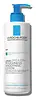
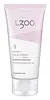
La Roche-Posay Lipikar Urea 10% Roughness Smoothing Lotion Versus L300 Intensive Moisture Face Cream


What's inside
What's inside
 Key Ingredients
Benefits
Concerns
Ingredients Side-by-side
Water
Skin ConditioningUrea
Buffering



Glycerin
Humectant
Butyrospermum Parkii Butter
Skin Conditioning


Brassica Campestris Seed Oil
Skin Conditioning
Dicaprylyl Carbonate
EmollientIsopropyl Palmitate
Emollient
Pentylene Glycol
Skin Conditioning
Glycine
Buffering
Cetearyl Alcohol
Emollient

Silica
Abrasive


Stearic Acid
Cleansing
Allantoin
Skin Conditioning

Sorbitan Oleate
Emulsifying
Sorbitan Tristearate
EmulsifyingGlyceryl Stearate
Emollient
PEG-100 Stearate
PEG-20 Methyl Glucose Sesquistearate
Emulsifying
Isohexadecane
EmollientSodium Hydroxide
BufferingSodium Lactate
Buffering
Myristic Acid
Cleansing
Palmitic Acid
Emollient
Mannose
HumectantHydroxyacetophenone
Antioxidant
Hydroxyethylpiperazine Ethane Sulfonic Acid
BufferingCaprylyl Glycol
Emollient
Citric Acid
Buffering


Trisodium Ethylenediamine Disuccinate
Xanthan Gum
EmulsifyingPolysorbate 80
Emulsifying
Acrylamide/Sodium Acryloyldimethyltaurate Copolymer
Emulsion StabilisingAcrylates/C10-30 Alkyl Acrylate Crosspolymer
Emulsion StabilisingTocopherol
Antioxidant


Pentaerythrityl Tetra-Di-T-Butyl Hydroxyhydrocinnamate
Antioxidant
Chlorhexidine Digluconate
Antimicrobial
Water, Urea, Glycerin, Butyrospermum Parkii Butter, Brassica Campestris Seed Oil, Dicaprylyl Carbonate, Isopropyl Palmitate, Pentylene Glycol, Glycine, Cetearyl Alcohol, Silica, Stearic Acid, Allantoin, Sorbitan Oleate, Sorbitan Tristearate, Glyceryl Stearate, PEG-100 Stearate, PEG-20 Methyl Glucose Sesquistearate, Isohexadecane, Sodium Hydroxide, Sodium Lactate, Myristic Acid, Palmitic Acid, Mannose, Hydroxyacetophenone, Hydroxyethylpiperazine Ethane Sulfonic Acid, Caprylyl Glycol, Citric Acid, Trisodium Ethylenediamine Disuccinate, Xanthan Gum, Polysorbate 80, Acrylamide/Sodium Acryloyldimethyltaurate Copolymer, Acrylates/C10-30 Alkyl Acrylate Crosspolymer, Tocopherol, Pentaerythrityl Tetra-Di-T-Butyl Hydroxyhydrocinnamate, Chlorhexidine Digluconate
Water
Skin ConditioningEthylhexyl Stearate
Emollient
Urea
Buffering
Sodium Chloride
MaskingCaprylic/Capric Triglyceride
Masking
Glyceryl Stearates
Emollient
Cetyl Alcohol
Emollient
Polyglyceryl-6 Palmitate/Succinate
Emulsifying
Cetearyl Alcohol
Emollient
Tocopheryl Acetate
Antioxidant
Lactic Acid
Buffering
Squalane
Emollient
Behenic Acid
Cleansing
Cetyl Behenate
Isostearyl Isostearate
Emollient
Potassium Cetyl Phosphate
EmulsifyingDimethicone
Emollient
Xanthan Gum
EmulsifyingTromethamine
BufferingPhenoxyethanol
Preservative
Benzoic Acid
Masking
Dehydroacetic Acid
Preservative
Water, Ethylhexyl Stearate, Urea, Sodium Chloride, Caprylic/Capric Triglyceride, Glyceryl Stearates, Cetyl Alcohol, Polyglyceryl-6 Palmitate/Succinate, Cetearyl Alcohol, Tocopheryl Acetate, Lactic Acid, Squalane, Behenic Acid, Cetyl Behenate, Isostearyl Isostearate, Potassium Cetyl Phosphate, Dimethicone, Xanthan Gum, Tromethamine, Phenoxyethanol, Benzoic Acid, Dehydroacetic Acid
Ingredients Explained
These ingredients are found in both products.
Ingredients higher up in an ingredient list are typically present in a larger amount.
Cetearyl alcohol is a waxy mixture of two fatty alcohols: cetyl alcohol and stearyl alcohol. It is an emollient and emulsifier.
Despite having "alcohol" in its name, it has nothing to do with drying solvent alcohols; the FDA also allows "alcohol-free" products to contain fatty alcohols like this ingredient.
It plays several roles in a formula:
Typical use levels for this ingredient sit around 1-10% and the Cosmetic Ingredient Review Expert Panel has affirmed safety at concentrations up to 25% in leave-on products.
Multiple assessments have found it to be non-irritating and non-sensitizing to most people.
However, there have been some cases of allergic contact dermatitis in patients with chronically compromised skin barriers.
Cetearyl alcohol has a comedogenic rating of 2 and irritancy rating of 1. Both of these numbers come from the 1989 study that used rabbit ears; a "2" means mildly comedogenic and a "1" means low irritancy.
Here's the catch: rabbit skin is more sensitive than human skin and throws a lot of false positives. A 1996 reappraisal found that ingredients rated 1-2 in the rabbit ear tests are generally safe for humans.
Remember comedogenic ratings are unable to assess the entire formula of a product or how it will react on your skin. Just be sure to patch test if you are unsure about certain ingredients.
This ingredient is not fungal acne safe. Cetearyl alcohol is a fatty alcohol with chain lengths that fall within the range that Malassezia can metabolize.
Learn more about Cetearyl AlcoholUrea is also called carbamide and is the diamide of carbonic acid. In cosmetics, urea is used to hydrate the skin. It also provides exfoliation in higher concentrations.
As a humectant, urea helps draw moisture from the air and from deep within the skin. This helps hydrate your skin. Studies show urea is an effective moisturizer for dry skin conditions. 40% urea is typical in medications for treating eczema and other skin conditions.
Urea has the strongest exfoliation effect in concentrations higher than 10%. It is a keratolytic agent, meaning it breaks down the keratin protein in the top layer of skin. This helps remove dead skin cells and flaking skin.
In medicine, urea has been shown to help increase the potency of other ingredients, such as fungal treatments.
Humans and animals use urea to metabolize nitrogen-containing compounds. Urea is highly soluble in water. Once dissolved, it is neither acidic nor alkaline.
Urea is actually one of the more well-studied and well-supported ingredients out there if you have eczema.
Clinical trials have shown that urea creams in the 5 - 10% range can:
Higher concentrations (20 -30%) can also help with thickened, scaly patches but is also more likely to sting on active flares.
Skip urea if you have rosacea. The AAD (American Academy of Dermatology) lists it alongside alcohol, menthol, and fragrance as a potential irritant for rosacea-prone skin. Urea's keratolytic and penetration-enhancing properties can trigger stinging, burning, and redness.
As always, your skin is unique, so definitely check in with your dermatologist.
Learn more about UreaWater. It's the most common cosmetic ingredient of all. You'll usually see it at the top of ingredient lists, meaning that it makes up the largest part of the product.
So why is it so popular? Water most often acts as a solvent - this means that it helps dissolve other ingredients into the formulation.
You'll also recognize water as that liquid we all need to stay alive. If you see this, drink a glass of water. Remember to stay hydrated!
Learn more about WaterXanthan gum is used as a stabilizer and thickener within cosmetic products. It helps give products a sticky, thick feeling - preventing them from being too runny.
On the technical side of things, xanthan gum is a polysaccharide - a combination consisting of multiple sugar molecules bonded together.
Xanthan gum is a pretty common and great ingredient. It is a natural, non-toxic, non-irritating ingredient that is also commonly used in food products.
Learn more about Xanthan Gum
