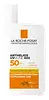
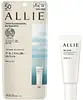
La Roche-Posay Anthelios Uvmune 400 Invisible Fluid SPF50+ Versus Allie Chrono Beauty Gel UV EX SPF50 PA++++


What's inside
What's inside
 Key Ingredients
Benefits
Concerns
Ingredients Side-by-side
Water
Skin ConditioningAlcohol Denat.
Antimicrobial




Triethyl Citrate
Masking
Diisopropyl Sebacate
EmollientSilica
Abrasive


Ethylhexyl Salicylate
UV Absorber

Bis-Ethylhexyloxyphenol Methoxyphenyl Triazine
Skin Conditioning
Ethylhexyl Triazone
UV Absorber
Butyl Methoxydibenzoylmethane
UV Absorber
Glycerin
Humectant


Propanediol
Solvent
C12-22 Alkyl Acrylate/Hydroxyethylacrylate Copolymer
StabilisingSodium Citrate
BufferingMethoxypropylamino Cyclohexenylidene Ethoxyethylcyanoacetate
Stabilising
Perlite
Absorbent
Tocopherol
Antioxidant





Caprylic/Capric Triglyceride
Masking
Acrylates/C10-30 Alkyl Acrylate Crosspolymer
Emulsion StabilisingCaprylyl Glycol
Emollient
Citric Acid
Buffering
Diethylamino Hydroxybenzoyl Hexyl Benzoate
UV Filter
Drometrizole Trisiloxane
UV Absorber
Hydroxyethylcellulose
Emulsion StabilisingTerephthalylidene Dicamphor Sulfonic Acid
UV Absorber
Triethanolamine
BufferingTrisodium Ethylenediamine Disuccinate
Water, Alcohol Denat., Triethyl Citrate, Diisopropyl Sebacate, Silica, Ethylhexyl Salicylate, Bis-Ethylhexyloxyphenol Methoxyphenyl Triazine, Ethylhexyl Triazone, Butyl Methoxydibenzoylmethane, Glycerin, Propanediol, C12-22 Alkyl Acrylate/Hydroxyethylacrylate Copolymer, Sodium Citrate, Methoxypropylamino Cyclohexenylidene Ethoxyethylcyanoacetate, Perlite, Tocopherol, Caprylic/Capric Triglyceride, Acrylates/C10-30 Alkyl Acrylate Crosspolymer, Caprylyl Glycol, Citric Acid, Diethylamino Hydroxybenzoyl Hexyl Benzoate, Drometrizole Trisiloxane, Hydroxyethylcellulose, Terephthalylidene Dicamphor Sulfonic Acid, Triethanolamine, Trisodium Ethylenediamine Disuccinate
Water
Skin ConditioningZinc Oxide
Cosmetic Colorant
Alcohol
Antimicrobial
Diisopropyl Sebacate
EmollientDicaprylyl Carbonate
EmollientEthylhexyl Triazone
UV Absorber
Glycerin
Humectant
C12-15 Alkyl Benzoate
AntimicrobialDimethicone
Emollient
Drometrizole Trisiloxane
UV Absorber
Sodium Acrylate/Sodium Acryloyldimethyl Taurate Copolymer
Emulsion StabilisingBis-Ethylhexyloxyphenol Methoxyphenyl Triazine
Skin Conditioning
Butylene Glycol
Humectant
Isohexadecane
EmollientTriethoxycaprylylsilane
Poly C10-30 Alkyl Acrylate
Emulsion StabilisingAcrylates/Polytrimethylsiloxymethacrylate Copolymer
Skin ConditioningPEG-400
Emulsion StabilisingPolysorbate 80
Emulsifying
C30-45 Alkyl Methicone
Emollient
Xanthan Gum
EmulsifyingC30-45 Olefin
Skin ConditioningSorbitan Oleate
Emulsifying
Polysilicone-9
Disodium EDTA
Sodium Hyaluronate
Humectant
Water, Zinc Oxide, Alcohol, Diisopropyl Sebacate, Dicaprylyl Carbonate, Ethylhexyl Triazone, Glycerin, C12-15 Alkyl Benzoate, Dimethicone, Drometrizole Trisiloxane, Sodium Acrylate/Sodium Acryloyldimethyl Taurate Copolymer, Bis-Ethylhexyloxyphenol Methoxyphenyl Triazine, Butylene Glycol, Isohexadecane, Triethoxycaprylylsilane, Poly C10-30 Alkyl Acrylate, Acrylates/Polytrimethylsiloxymethacrylate Copolymer, PEG-400, Polysorbate 80, C30-45 Alkyl Methicone, Xanthan Gum, C30-45 Olefin, Sorbitan Oleate, Polysilicone-9, Disodium EDTA, Sodium Hyaluronate
Reviews
Ingredients Explained
These ingredients are found in both products.
Ingredients higher up in an ingredient list are typically present in a larger amount.
This ingredient is better known as bemotrizinol or Tinosorb S and is one of the best broad-spectrum UV filters in modern sunscreen.
It works by absorbing UV light across a whole range (280-400 nm) with peaks around 310 nm (UVB) and 340-345 nm (UVA). This means it covers UVB plus the deeper UVA wavelengths that drive photoaging and pigmentation.
Another pro?
It's exceptionally photostable, barely degrades in sunlight, and acts as a "bodyguard" for less stable filters.
That's why you'll see it paired with avobenzone or octinoxate; this team up ensures they keep working through sun exposure.
Safety reviews have been reassuring across the board. This ingredient shows low absorption through the skin, rarely irritates, and lab studies found it doesn't act like a hormone in the body (a concern that's been raised about some older sunscreen filters).
On maximum concentrations:
In 2026, the US F.D.A finally added it as an OTC sunscreen ingredient at concentrations up to 6% for adults / children 6 months and older
Learn more about Bis-Ethylhexyloxyphenol Methoxyphenyl TriazineWe don't have a description for Diisopropyl Sebacate yet.
Drometrizole Trisiloxane is a UV filter that provides both UV-A (344 nm) and UV-B (303 nm) protection.
This ingredient is photostable and studies show it to be generally safe and effective. The compound Meroxyl XL is owned by L'Oreal while Drometrizole trisiloxane can be found in other sunscreen brands.
It is currently approved for use in the EU, Canada, Australia, and Japan. However, it is not yet approved for use in the US.
This ingredient is often used with other sunscreen ingredients, such as Ecamsule.
Learn more about Drometrizole TrisiloxaneEthylhexyl Triazone is a modern chemical sunscreen that protects from UV-B radiation.
It is the most effective of existing UV-B filters, as it provides the highest level of photo-stable absorption. It protects from the entire UV-B range (280 to 320nm), with it's highest level of protection at 314nm.
Ethylhexyl Triazone is oil soluble, oderless and colorless, which mean it is able to be incorporated into a variety of different formulations.
It is not currently available within the United States due to slow changing FDA regulations. Outside of the US, it is used in formulations at concentrations up to 5%.
Learn more about Ethylhexyl TriazoneGlycerin (or glycerol) is a compound naturally found in your skin. It's a powerhouse humectant that pulls water into the stratum corneum.
Topically, glycerin does several things at once:
Your skin makes glycerin on its own (mostly from sebaceous oil breakdown) and shuttles it to your outermost layer of skin, or your epidermis, via aquaporin-3.
Aquaporin-3 is a transporter that is essential for normal skin hydration, elasticity, and repair. Interestingly, mice lacking in AQP3 have dry and less elastic skin that can be fully corrected with glycerin.
This ingredient is non-irritating, plays well with almost every ingredient, and works across all skin types. Typical use is anywhere between 3-10% but can go up to 79% in some leave-on products.
Just know very high concentrations (>40%) can feel tacky in low humidity.
Glycerin is the name for this ingredient in American English. British English uses Glycerol/Glycerine.
Learn more about GlycerinWater. It's the most common cosmetic ingredient of all. You'll usually see it at the top of ingredient lists, meaning that it makes up the largest part of the product.
So why is it so popular? Water most often acts as a solvent - this means that it helps dissolve other ingredients into the formulation.
You'll also recognize water as that liquid we all need to stay alive. If you see this, drink a glass of water. Remember to stay hydrated!
Learn more about Water
