L'Oreal True Match Eye Cream in a Concealer 0.5% Hyaluronic Acid Versus Yves Saint Laurent Touche Éclat All-Over Brightening Pen

What's inside
What's inside
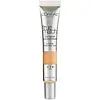 Key Ingredients
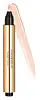
Benefits
Concerns
Ingredients Side-by-side
Water
Skin ConditioningGlycerin
Humectant


Caprylyl Methicone
Skin Conditioning
Propanediol
Solvent
Dimethicone
Emollient
Pentylene Glycol
Skin Conditioning
Dimethicone/PEG-10/15 Crosspolymer
Alcohol Denat.
Antimicrobial




Sodium Hyaluronate
Humectant


Sodium Chloride
MaskingTriethoxysilylethyl Polydimethylsiloxyethyl Dimethicone
Skin Conditioning
Isopropyl Titanium Triisostearate
Emollient
Phenoxyethanol
Preservative
Ascorbyl Glucoside
Antioxidant


Caprylyl Glycol
Emollient
Trisodium Ethylenediamine Disuccinate
ChelatingAlumina
Abrasive
Dipropylene Glycol
HumectantSodium Citrate
BufferingTocopherol
Antioxidant

CI 77891
Cosmetic ColorantCI 77491
Cosmetic ColorantCI 77492
Cosmetic ColorantCI 77499
Cosmetic ColorantCI 77163
Cosmetic Colorant
Mica
Cosmetic ColorantWater, Glycerin, Caprylyl Methicone, Propanediol, Dimethicone, Pentylene Glycol, Dimethicone/PEG-10/15 Crosspolymer, Alcohol Denat., Sodium Hyaluronate, Sodium Chloride, Triethoxysilylethyl Polydimethylsiloxyethyl Dimethicone, Isopropyl Titanium Triisostearate, Phenoxyethanol, Ascorbyl Glucoside, Caprylyl Glycol, Trisodium Ethylenediamine Disuccinate, Alumina, Dipropylene Glycol, Sodium Citrate, Tocopherol, CI 77891, CI 77491, CI 77492, CI 77499, CI 77163, Mica
Water
Skin ConditioningCyclopentasiloxane
Emollient
Talc
Abrasive
Glycerin
Humectant
Paraffinum Liquidum
Emollient

Dimethicone
Emollient
Propanediol
Solvent
Pentylene Glycol
Skin Conditioning
Lauryl PEG-9 Polydimethylsiloxyethyl Dimethicone
Skin Conditioning
Silica
Abrasive

Dimethicone/PEG-10/15 Crosspolymer
Sodium Chloride
MaskingCaprylyl Glycol
Emollient
Lauryl PEG/PPG-18/18 Methicone
Skin Conditioning
Propylene Glycol
Humectant
Triethoxycaprylylsilane
Tocopheryl Acetate
Antioxidant
Disteardimonium Hectorite
StabilisingTetrasodium EDTA
ChelatingIsostearyl Alcohol
Emollient
Alumina
Abrasive
Lauroyl Lysine
Skin Conditioning
Propylene Carbonate
SolventTitanium Dioxide
Cosmetic Colorant

Silica Silylate
Emollient
Dipropylene Glycol
HumectantPhenoxyethanol
Preservative
Biosaccharide Gum-1
Humectant
Calendula Officinalis Flower Extract
Masking

Ruscus Aculeatus Root Extract
Astringent
Sodium Citrate
BufferingTocopherol
Antioxidant
Water, Cyclopentasiloxane, Talc, Glycerin, Paraffinum Liquidum, Dimethicone, Propanediol, Pentylene Glycol, Lauryl PEG-9 Polydimethylsiloxyethyl Dimethicone, Silica, Dimethicone/PEG-10/15 Crosspolymer, Sodium Chloride, Caprylyl Glycol, Lauryl PEG/PPG-18/18 Methicone, Propylene Glycol, Triethoxycaprylylsilane, Tocopheryl Acetate, Disteardimonium Hectorite, Tetrasodium EDTA, Isostearyl Alcohol, Alumina, Lauroyl Lysine, Propylene Carbonate, Titanium Dioxide, Silica Silylate, Dipropylene Glycol, Phenoxyethanol, Biosaccharide Gum-1, Calendula Officinalis Flower Extract, Ruscus Aculeatus Root Extract, Sodium Citrate, Tocopherol
Ingredients Explained
These ingredients are found in both products.
Ingredients higher up in an ingredient list are typically present in a larger amount.
Alumina (aka aluminum oxide) is an inorganic mineral powder refined from bauxite that works as a quiet workhorse in a formula.
It shows up often as an abrasive, absorbent, anticaking, bulking, and viscosity-controlling agent.
One of its most common jobs is acting as a pigment carrier and dispersant.
Alumina platelets are often blended with inorganic sunscreens like Titanium Dioxide (or with colorants) and then coated with a silicone such as Triethoxycaprylylsilane so the pigment spreads evenly and smoothly.
In makeup, it can also double as a light-diffusing powder or oil absorber to keep formulas from looking greasy.
The Cosmetic Ingredient Review Expert Panel has concluded alumina to be safe in present practices of use and concentration.
They note it's a stable, oxidized compound and scientific research has failed to establish links to health issues.
Concentrations vary depending on the product:
Learn more about AluminaCaprylyl Glycol is a humectant, skin conditioner, emollient, and preservative booster derived from either caprylic acid or synthetically created.
Typical use levels vary from 0.3-1% as a preservative booster and go up to 2% to condition skin.
Because it is not a free-fatty acid, this ingredient is fungal acne safe (there's nothing for Malassezia to feed on).
Learn more about Caprylyl GlycolDimethicone is a type of synthetic silicone created from natural materials such as quartz. It is also known as polydimethylsiloxane.
What it does:
Dimethicone comes in different viscosities:
Depending on the viscosity, dimethicone has different properties.
Ingredients lists don't always show which type is used, so we recommend reaching out to the brand if you have questions about the viscosity.
This ingredient is unlikely to cause irritation because it does not get absorbed into skin. However, people with silicone allergies should be careful about using this ingredient.
Note: Dimethicone may contribute to pilling. This is because it is not oil or water soluble, so pilling may occur when layered with products. When mixed with heavy oils in a formula, the outcome is also quite greasy.
Learn more about DimethiconeThis is a silicone-based ingredient that helps create a smooth, silky, "bouncy" texture. It also acts as an emulsifier that prevents ingredients from separating in a formula.
Due to its large molecule size and water-insolubility, this ingredient is unlikely to be absorbed into skin. Irritation and sensitization tests have found reactions to silicones are considered very rare.
You'll likely see this ingredient in leave-on products at concentrations of 0.03%-3%.
Learn more about Dimethicone/PEG-10/15 CrosspolymerDipropylene Glycol is a synthetically created humectant, stabilizer, and solvent.
This ingredient helps:
Dipropylene glycol is technically an alcohol, but it belongs to the glycol family (often considered part of the ‘good’ alcohols). This means it is hydrating and gentle on skin unlike drying solvent alcohols like denatured alcohol.
As a masking agent, Dipropylene Glycol can be used to cover the smell of other ingredients. However, it does not have a scent.
Studies show Dipropylene Glycol is considered safe to use in skincare.
Learn more about Dipropylene GlycolGlycerin (or glycerol) is a compound naturally found in your skin. It's a powerhouse humectant that pulls water into the stratum corneum.
Topically, glycerin does several things at once:
Your skin makes glycerin on its own (mostly from sebaceous oil breakdown) and shuttles it to your outermost layer of skin, or your epidermis, via aquaporin-3.
Aquaporin-3 is a transporter that is essential for normal skin hydration, elasticity, and repair. Interestingly, mice lacking in AQP3 have dry and less elastic skin that can be fully corrected with glycerin.
This ingredient is non-irritating, plays well with almost every ingredient, and works across all skin types. Typical use is anywhere between 3-10% but can go up to 79% in some leave-on products.
Just know very high concentrations (>40%) can feel tacky in low humidity.
Glycerin is the name for this ingredient in American English. British English uses Glycerol/Glycerine.
Learn more about GlycerinPentylene Glycol (1,2-pentanediol) is a multitasking little diol with three main roles in a formula:
Research on alkanediols (the family pentylene glycol belongs to) show they work by disrupting microbial cell membranes. This disruption helps the primary preservative system in a product work more effectively at lower doses.
On the safety side, the Cosmetic Ingredient Review Expert Panel has concluded this ingredient to be safe as used in current cosmetic practices + concentrations.
Typical use levels in a formula run about 1-5%.
Learn more about Pentylene GlycolPhenoxyethanol is one of the most widely used preservatives in skincare (and for good reason!).
It has a large spectrum of antimicrobial activity and especially effective bacteria, yeast, and mold while only having a weak effect on your skin's natural microbiome.
On a cellular level, it disrupts the cell membranes of microbes by poking holes that make the cell leak. This shuts down the chemical reactions the microbe needs to make energy so it can no longer survive.
Another perk of this ingredient is that it stays functional across a wide pH range (3-10).
You'll often see it paired with boosters like Ethylhexylglycerin; one study showed that a 1:9 ratio of Ethylhexylglycerin to Phenoxyethanol damages bacterial membranes as effectively as doubling the Phenoxyethanol concentration on its own.
Typical use concentrations range from 0.3-1% depending on the formula, and this ingredient is capped at 1% int the EU.
Safety-wise, the fear mongering does not hold up to the evidence. The EU's Scientific Committee on Consumer Safety and FDA consider it safe as a preservative at up to 1%, including for children of all ages.
Adverse systemic effects only showed up in animal studies at exposures roughly 200x higher than what people get from cosmetics. And despite its very widespread use, this ingredient is a rare sensitizer and allergic reactions are uncommon.
Learn more about PhenoxyethanolPropanediol is an all-star ingredient. It softens, hydrates, and smooths the skin.
It’s often used to:
Propanediol is not likely to cause sensitivity and considered safe to use. It is derived from corn or petroleum with a clear color and no scent.
Learn more about PropanediolChances are, you eat sodium chloride every day. Sodium Chloride is also known as table salt. This ingredient has many purposes in skincare: thickener, emulsifier, and exfoliator.
You'll most likely find this ingredient in cleansers where it is used to create a gel-like texture. As an emulsifier, it also prevents ingredients from separating.
You might see people debate whether Sodium Chloride is comedogenic, but there actually haven't been any comedogenic tests done on it. Either way, the overall formulation of a product matters a lot more than any single ingredient.
You might see this ingredient used in scrubs as a primary exfoliating ingredient.
Learn more about Sodium ChlorideSodium Citrate is the sodium salts of citric acid. In skincare, it is used to alter pH levels and acts as a preservative.
Its main functions are to maintain the pH of a product and neutralize metal ions.
The acidity of our skin is maintained by our glands and skin biome; normal pH level of skin is slightly acidic (~4.75-5.5).
Being slightly acidic allows our skin to create an "acid mantle". This acid mantle is a thin barrier that protects our skin from bacteria and contaminants.
Learn more about Sodium CitrateTocopherol is a fat-soluble antioxidant known as Vitamin E.
You'll find this ingredient in the vast majority of skincare (for good reason). It works to neutralize free radicals, or unstable molecules generated by UV exposure, pollution, and other environmental stressors, before they can cause oxidative damage to your skin cells.
Topically applied tocopherol has been shown to protect against UV damage by ramping up the skin's own natural defense enzymes.
It also acts as a skin conditioning agent; some studies show that regular topical use can improve the skin's water-binding capacity over 2-4 weeks.
This ingredient is especially loved for being a team player. When combined with Vitamin C, the photoprotective effect of both ingredients roughly doubles and the combo also helps reduce UV-induced DNA damage.
This ingredient has some brightening potential but it's more of a prevention ingredient than spot-fader. Cell studies show it can slow down melanin production but it's worth noting that it's not the most powerful brightener out there.
In formulations, it also serves as a stabilizer that helps protect other oxidation-prone ingredients from degrading.
Concentrations usually range from 0.1-1% in most leave-on products.
Learn more about TocopherolWater. It's the most common cosmetic ingredient of all. You'll usually see it at the top of ingredient lists, meaning that it makes up the largest part of the product.
So why is it so popular? Water most often acts as a solvent - this means that it helps dissolve other ingredients into the formulation.
You'll also recognize water as that liquid we all need to stay alive. If you see this, drink a glass of water. Remember to stay hydrated!
Learn more about Water

